
Roundtable entitled “Regulating Migration Flows and Protecting the Labour Rights of International Truck Drivers from Central Asia in EU Member States”
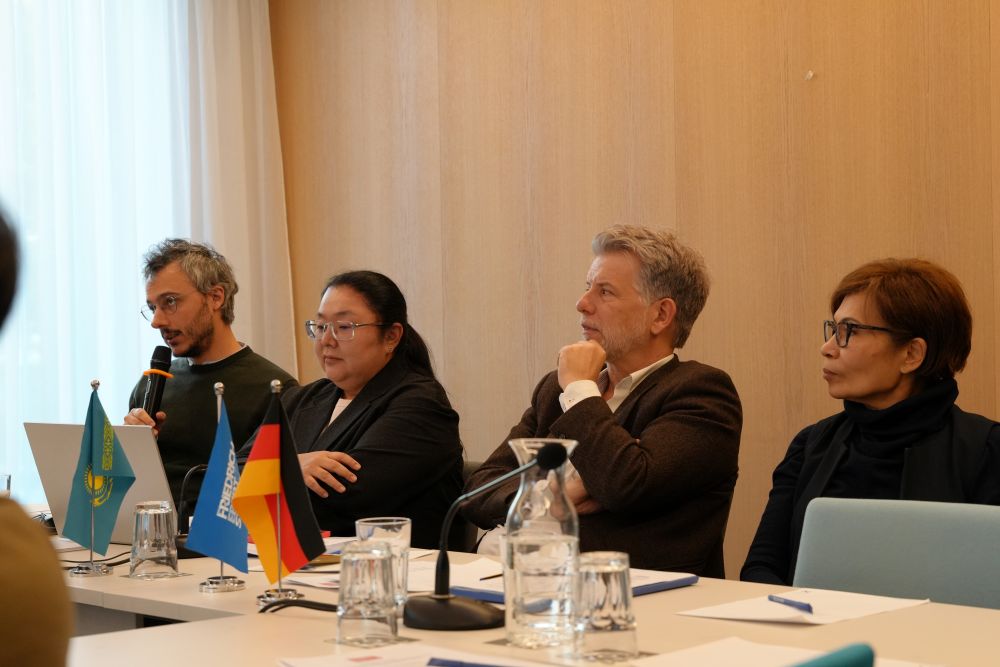
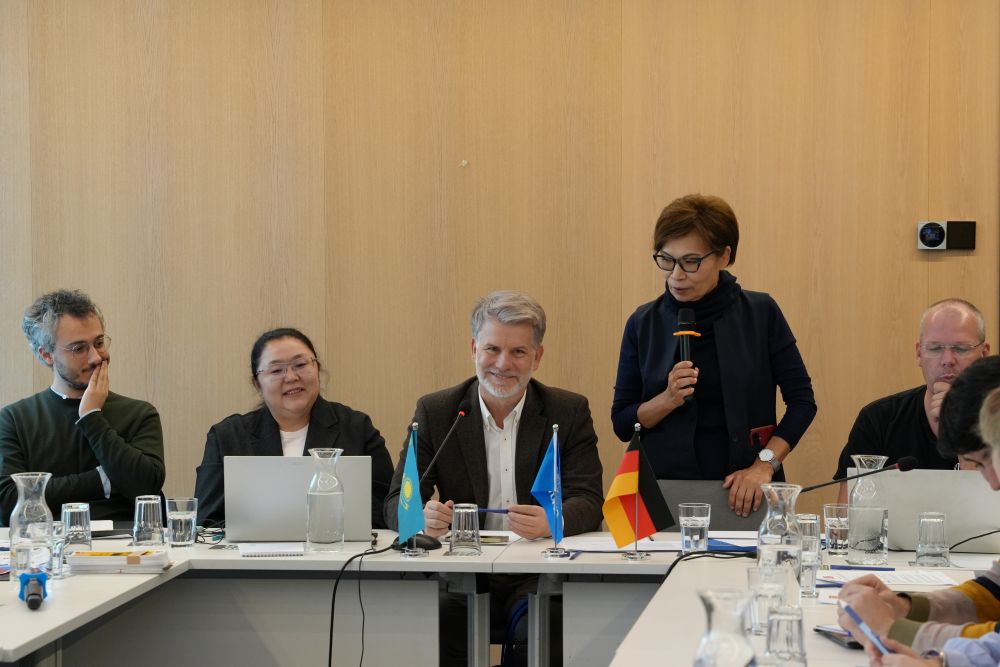
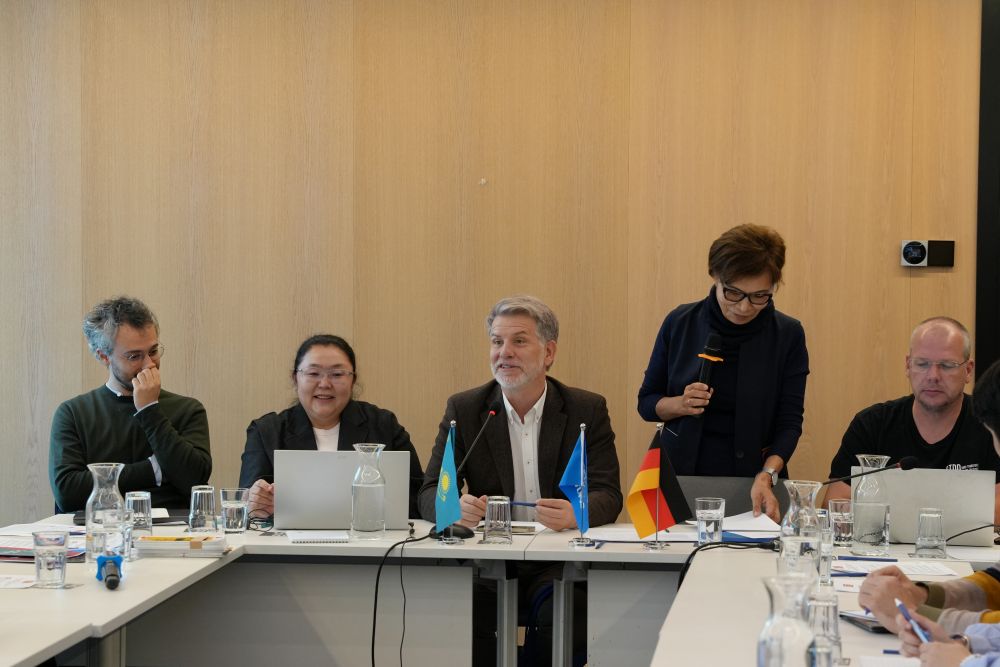
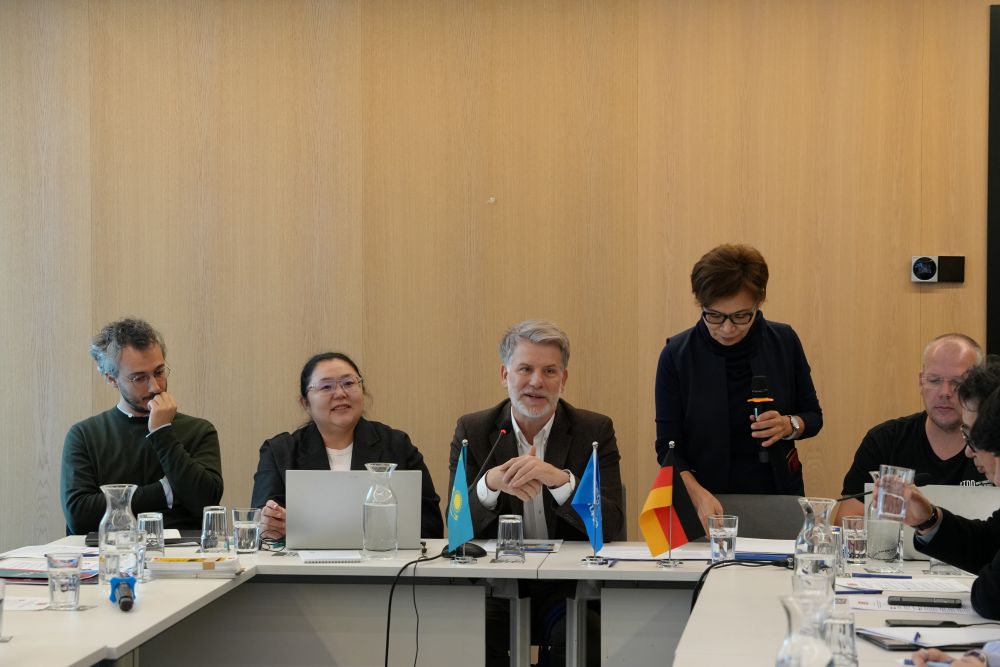
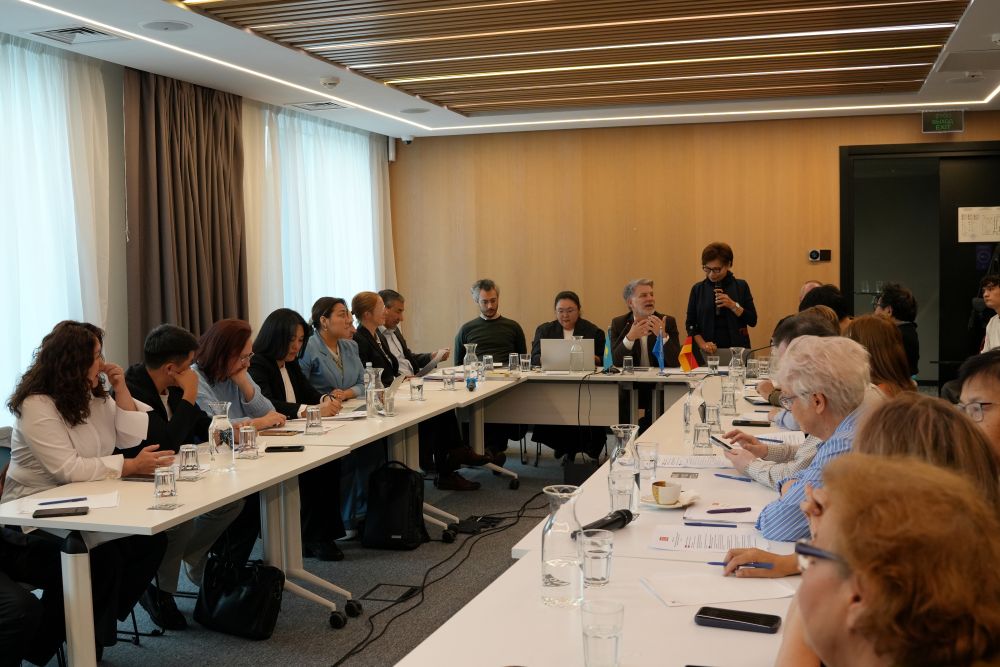
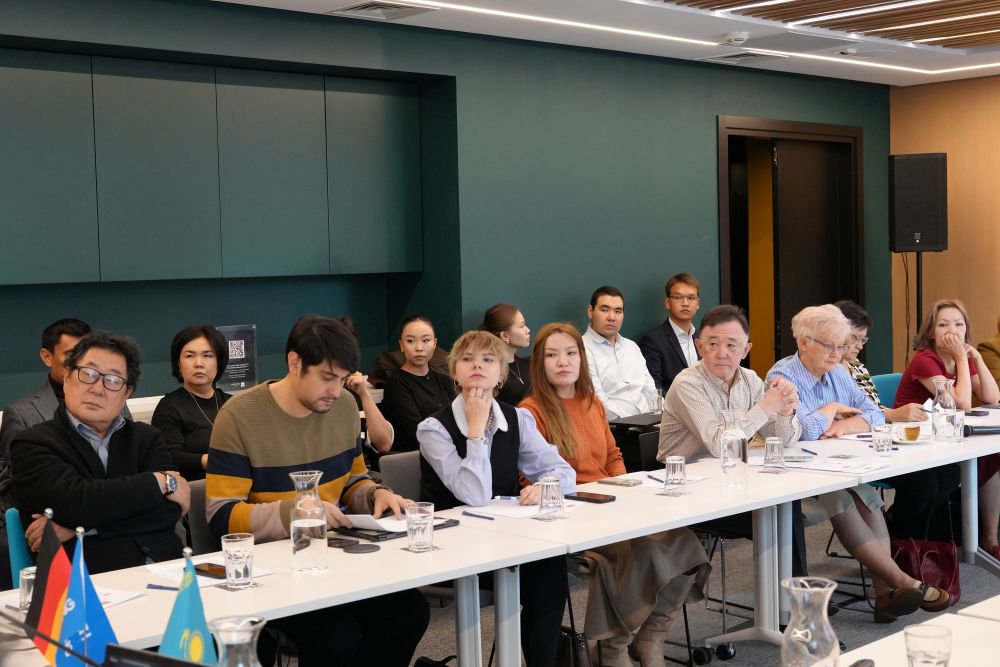
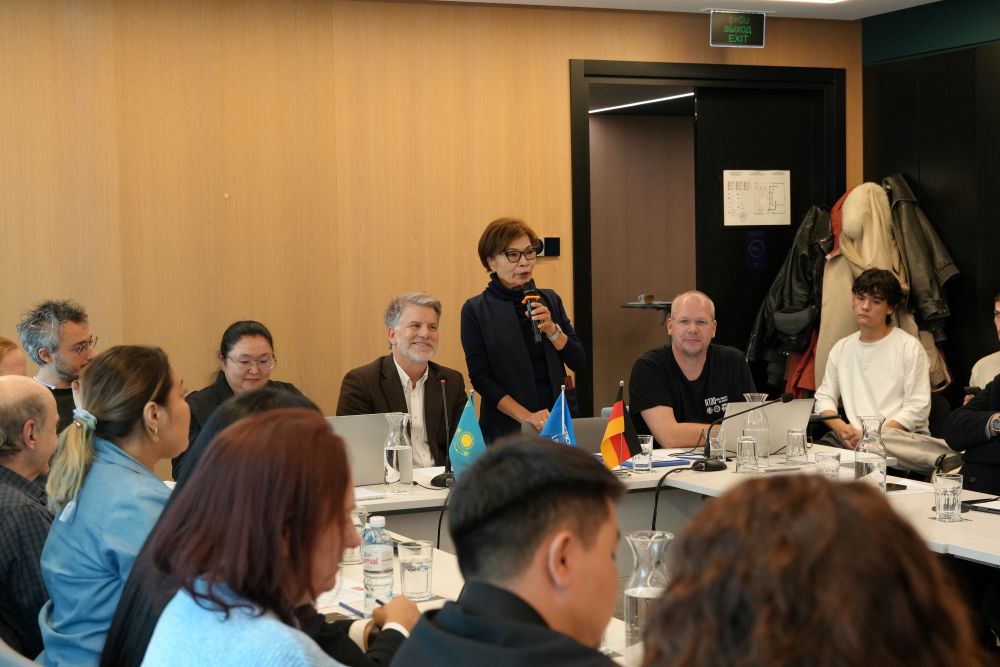
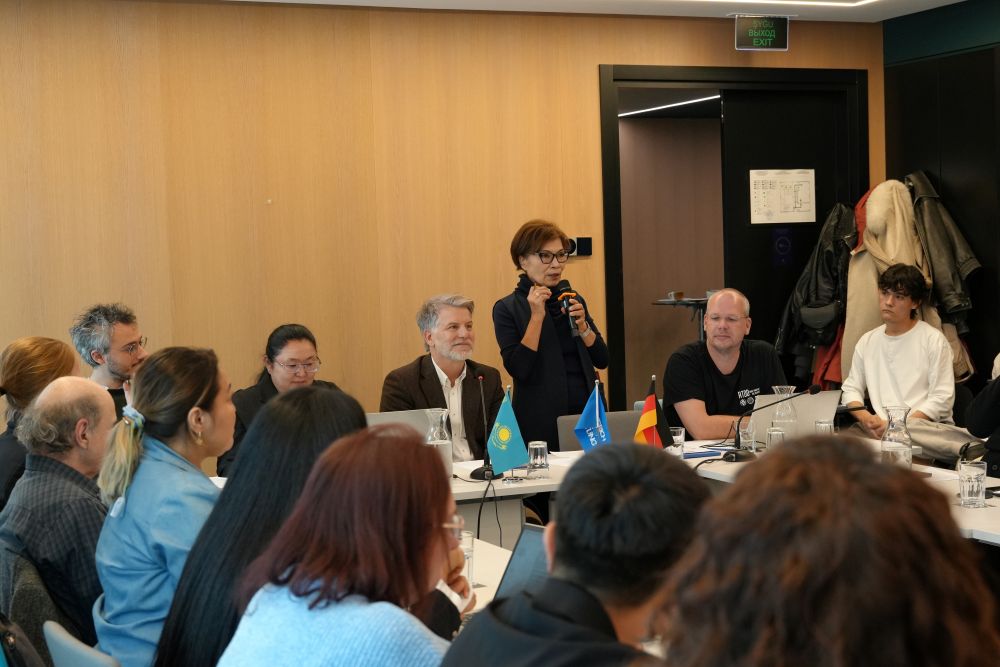
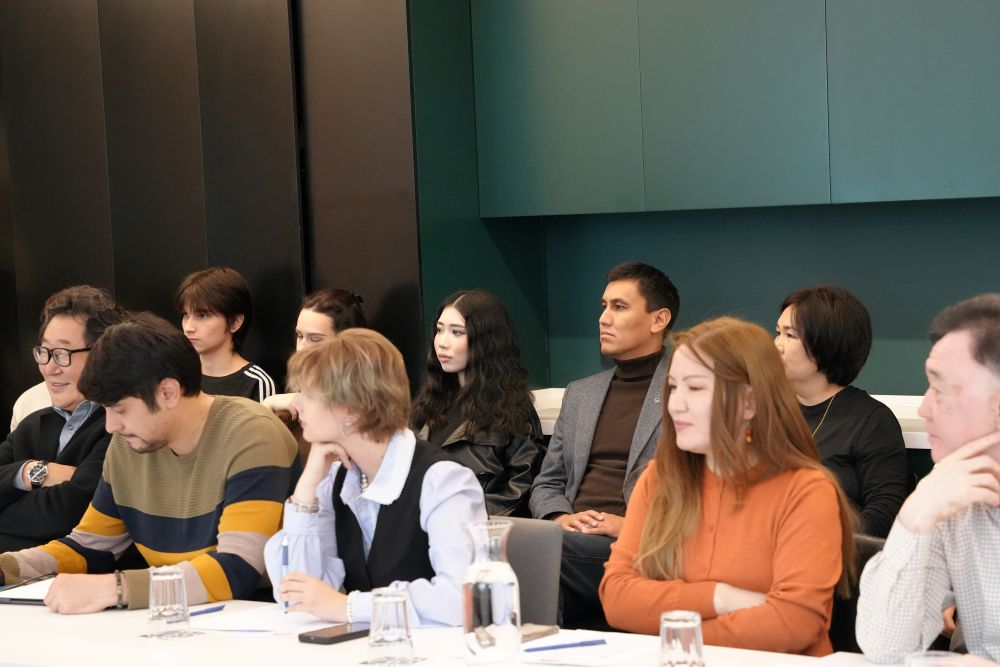
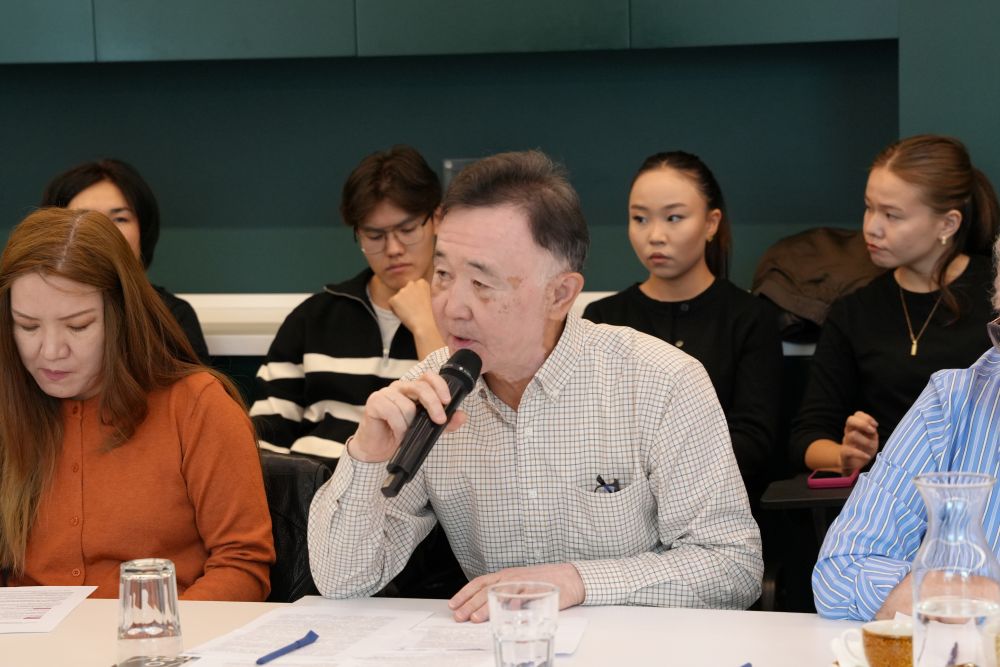
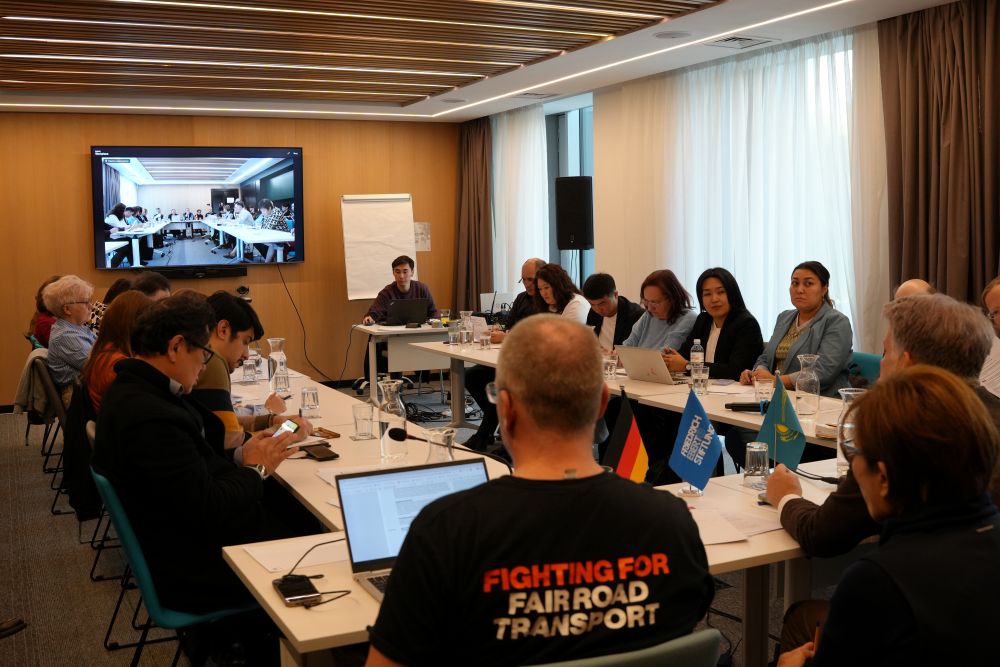
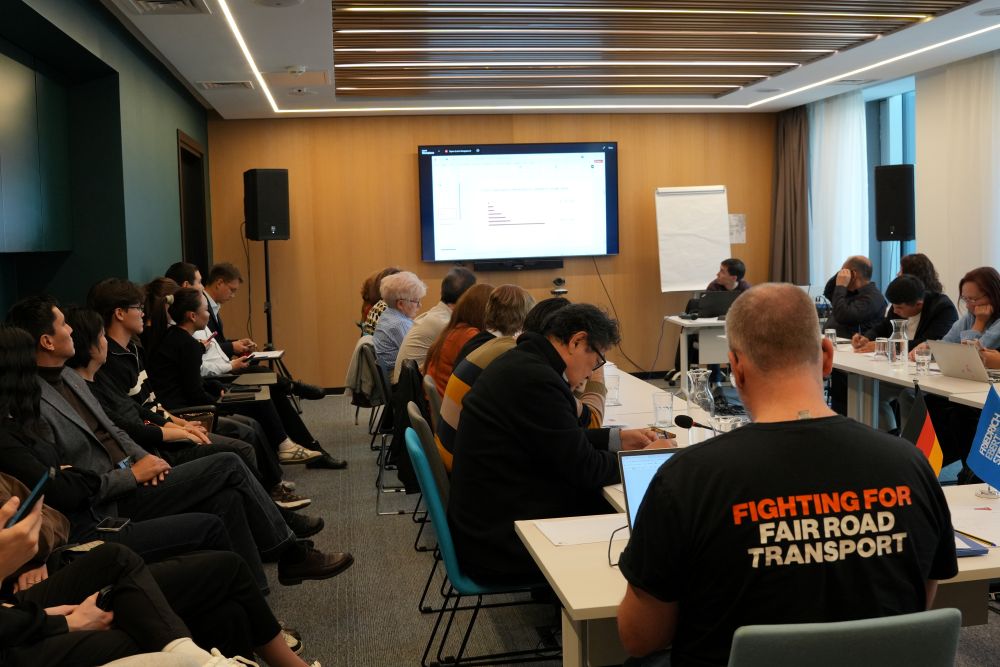
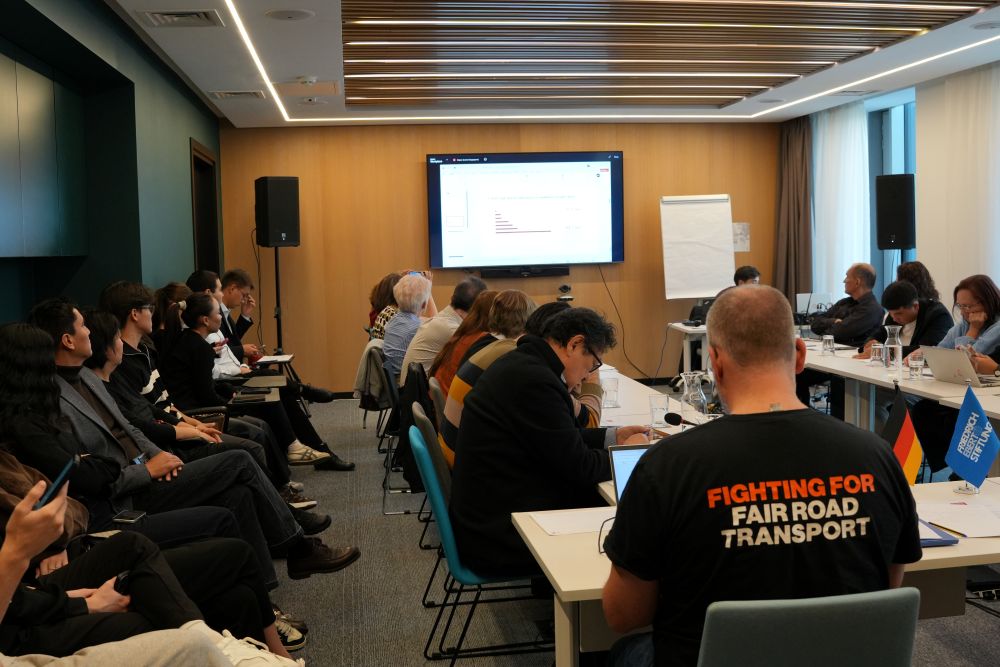
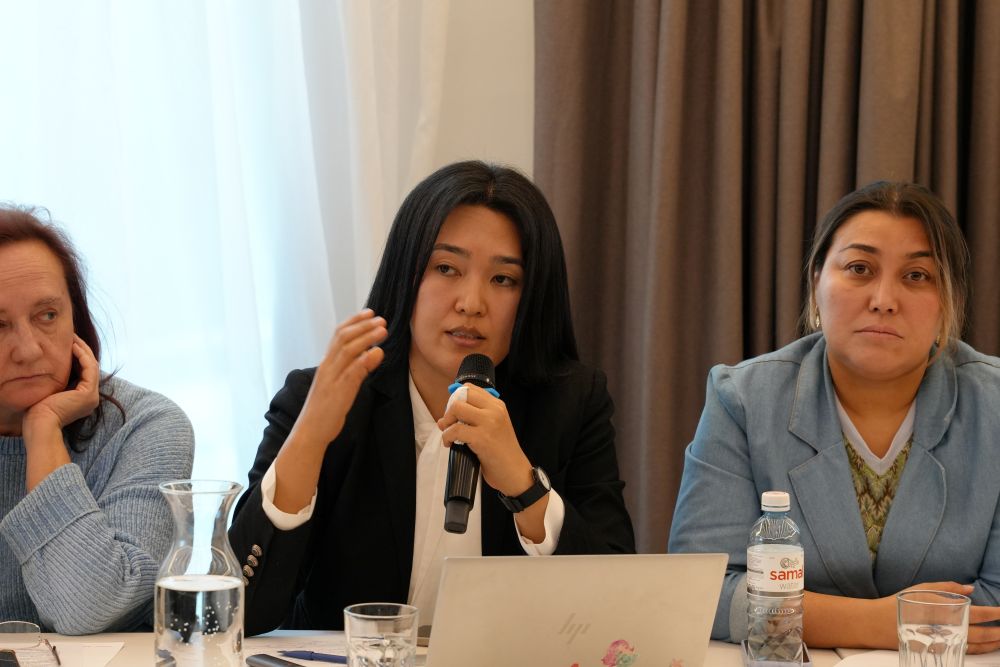
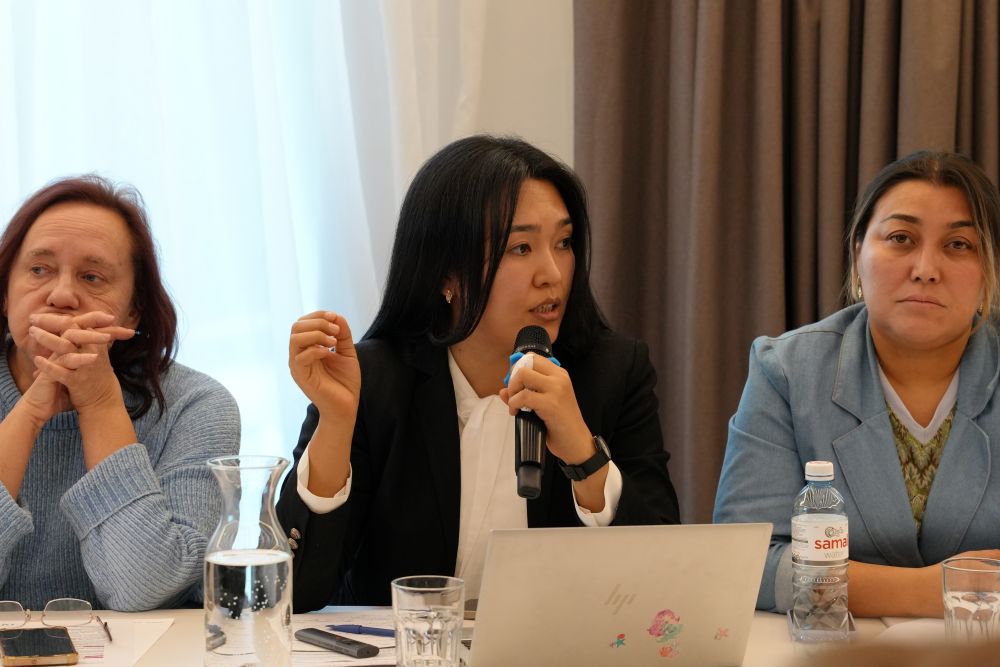
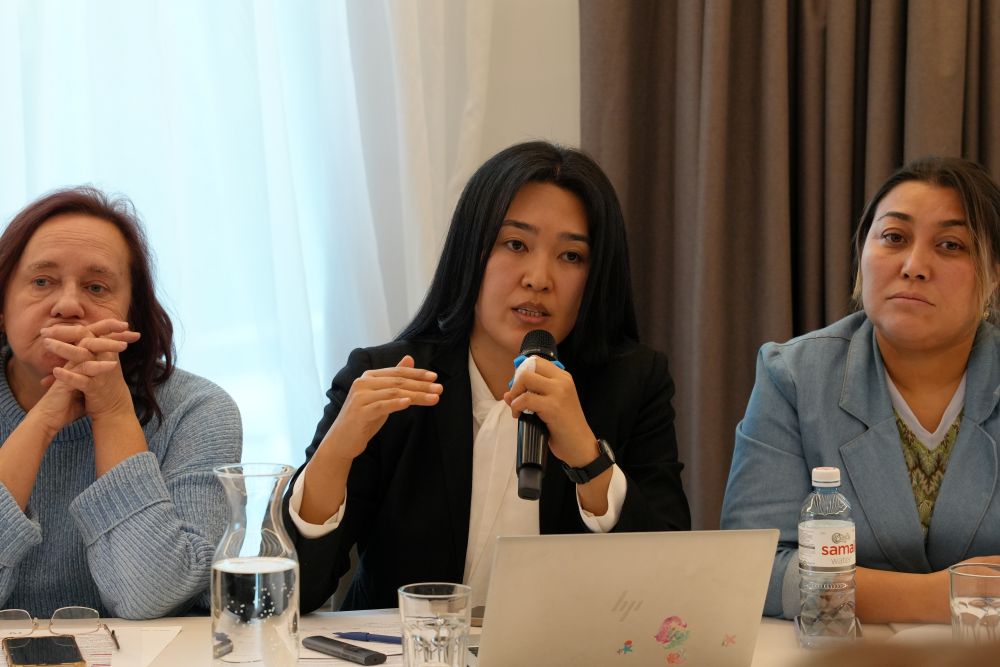
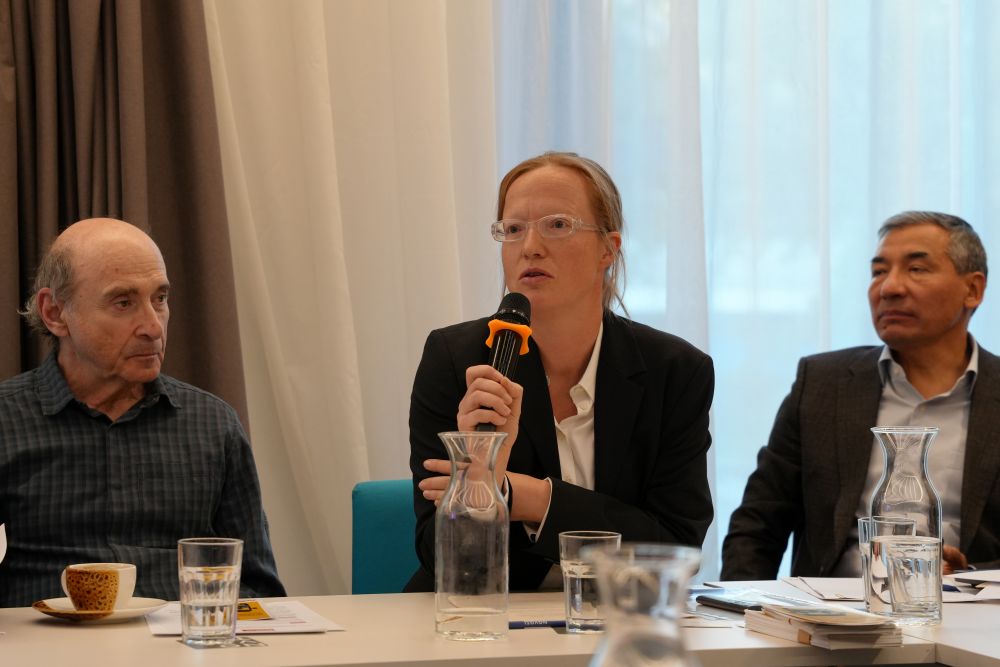
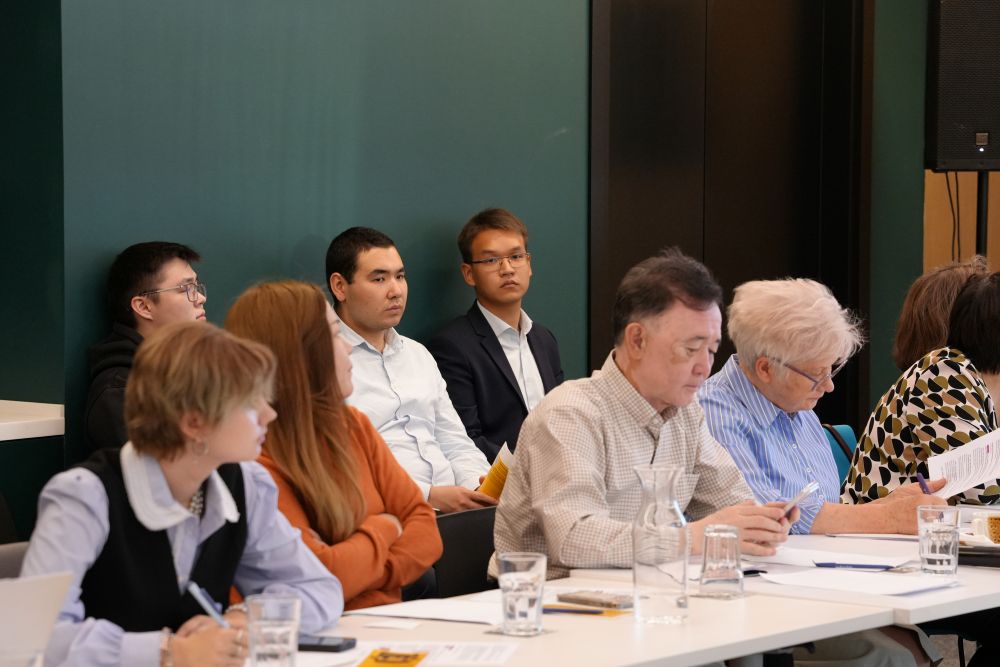
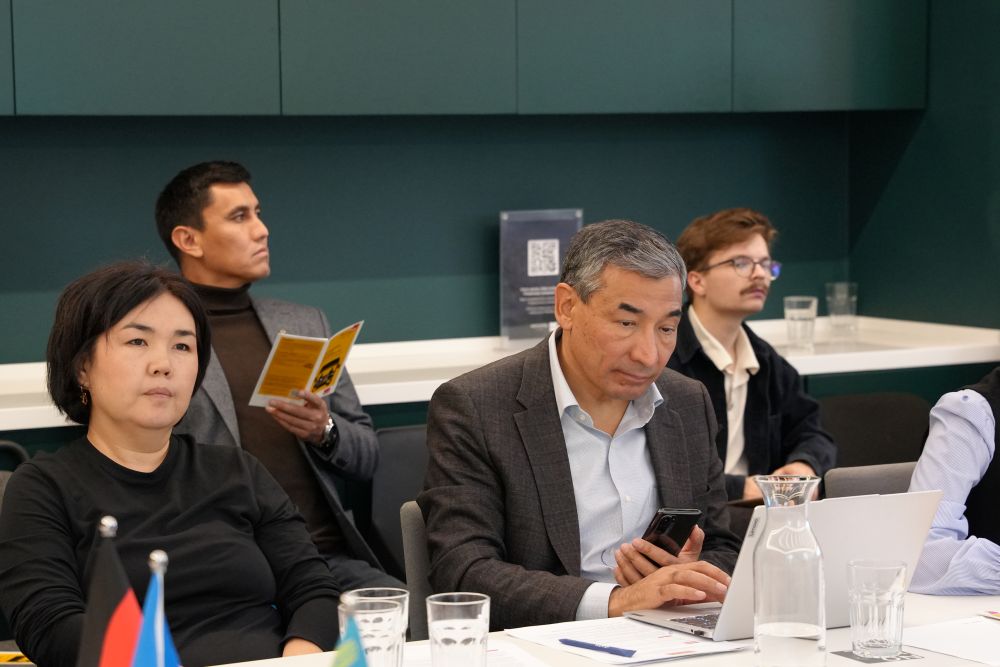
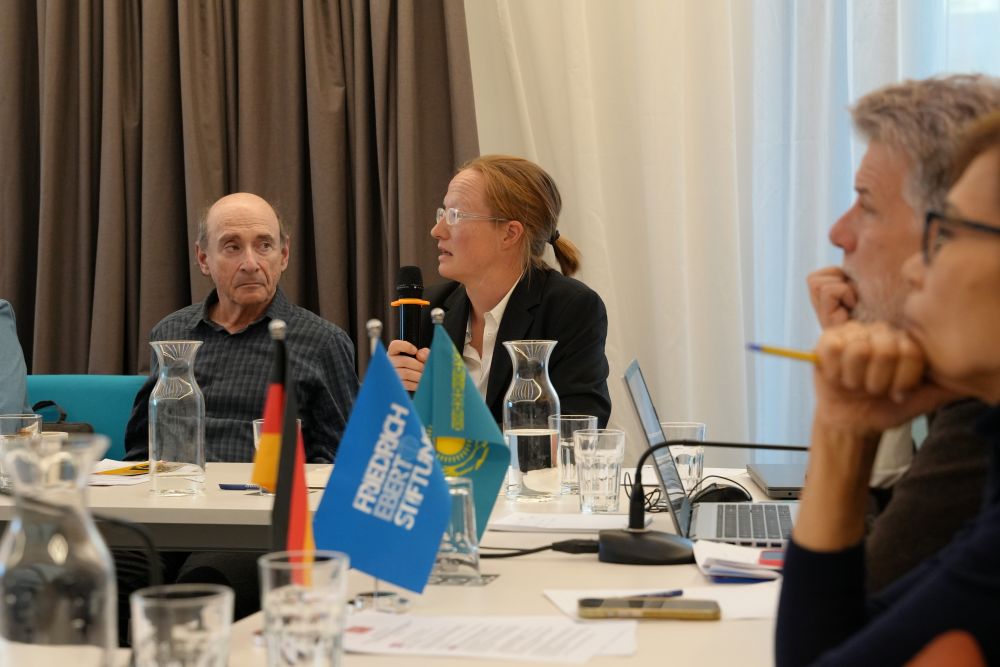
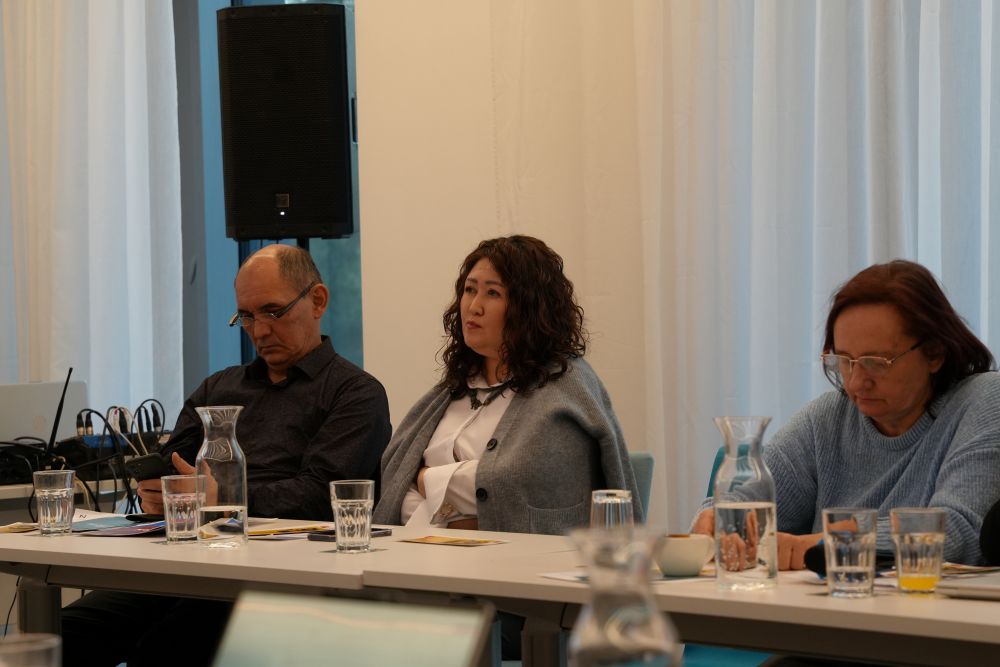
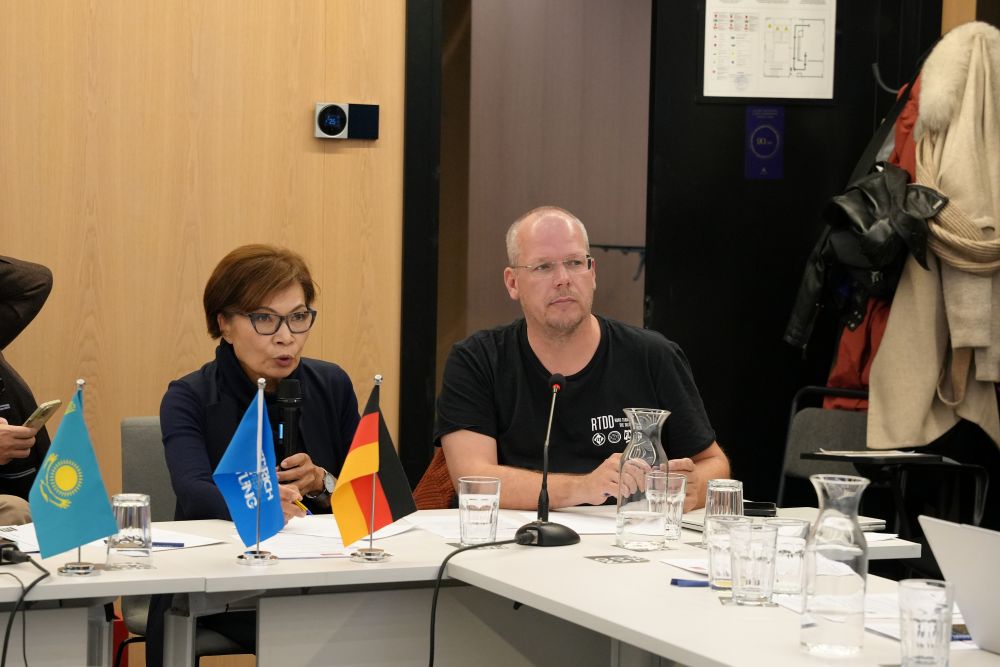
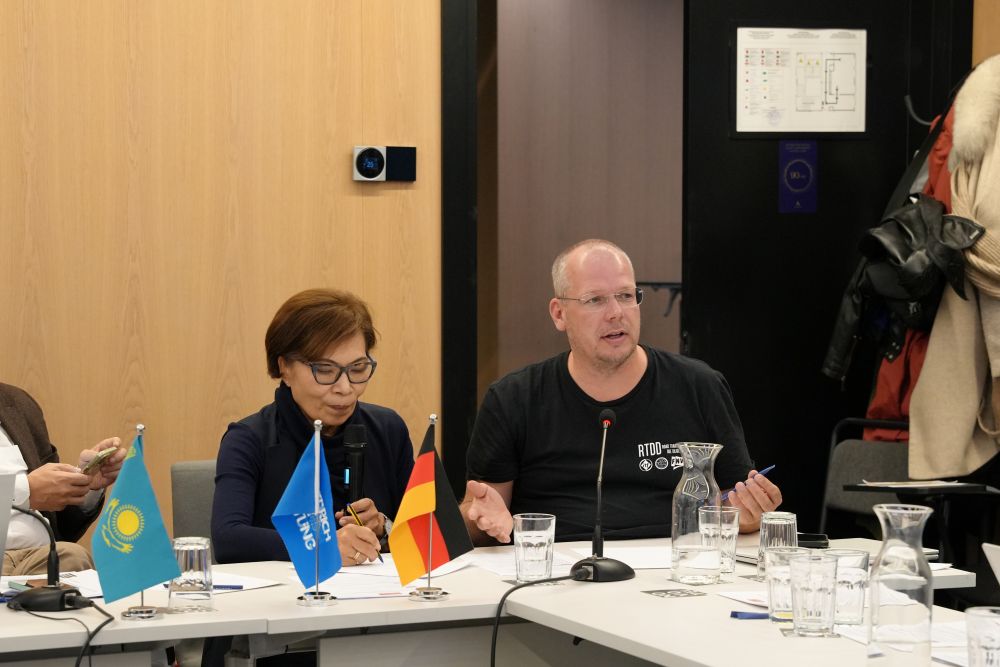
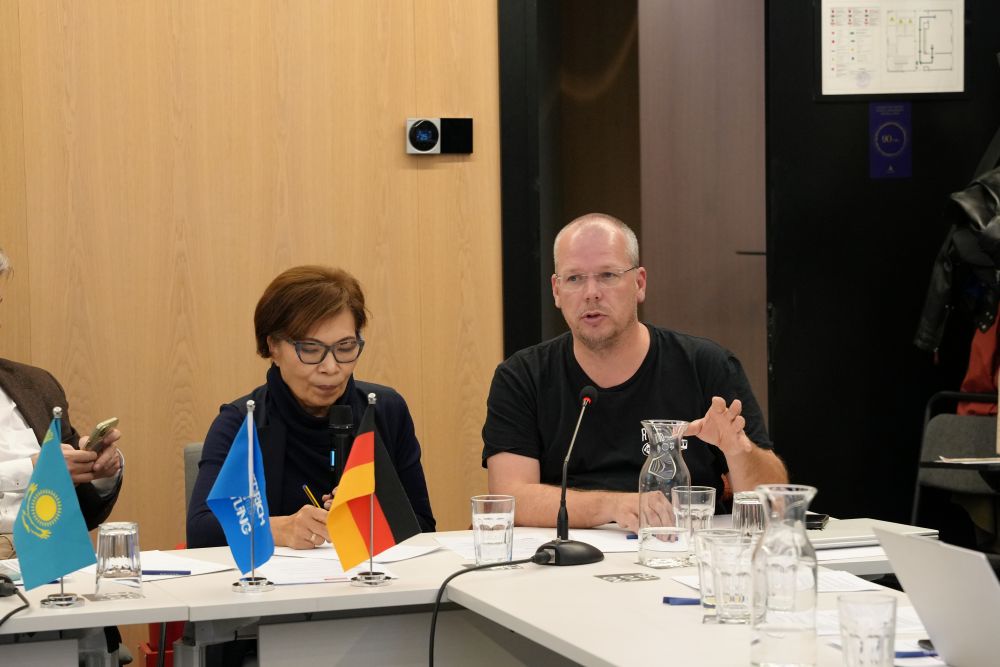
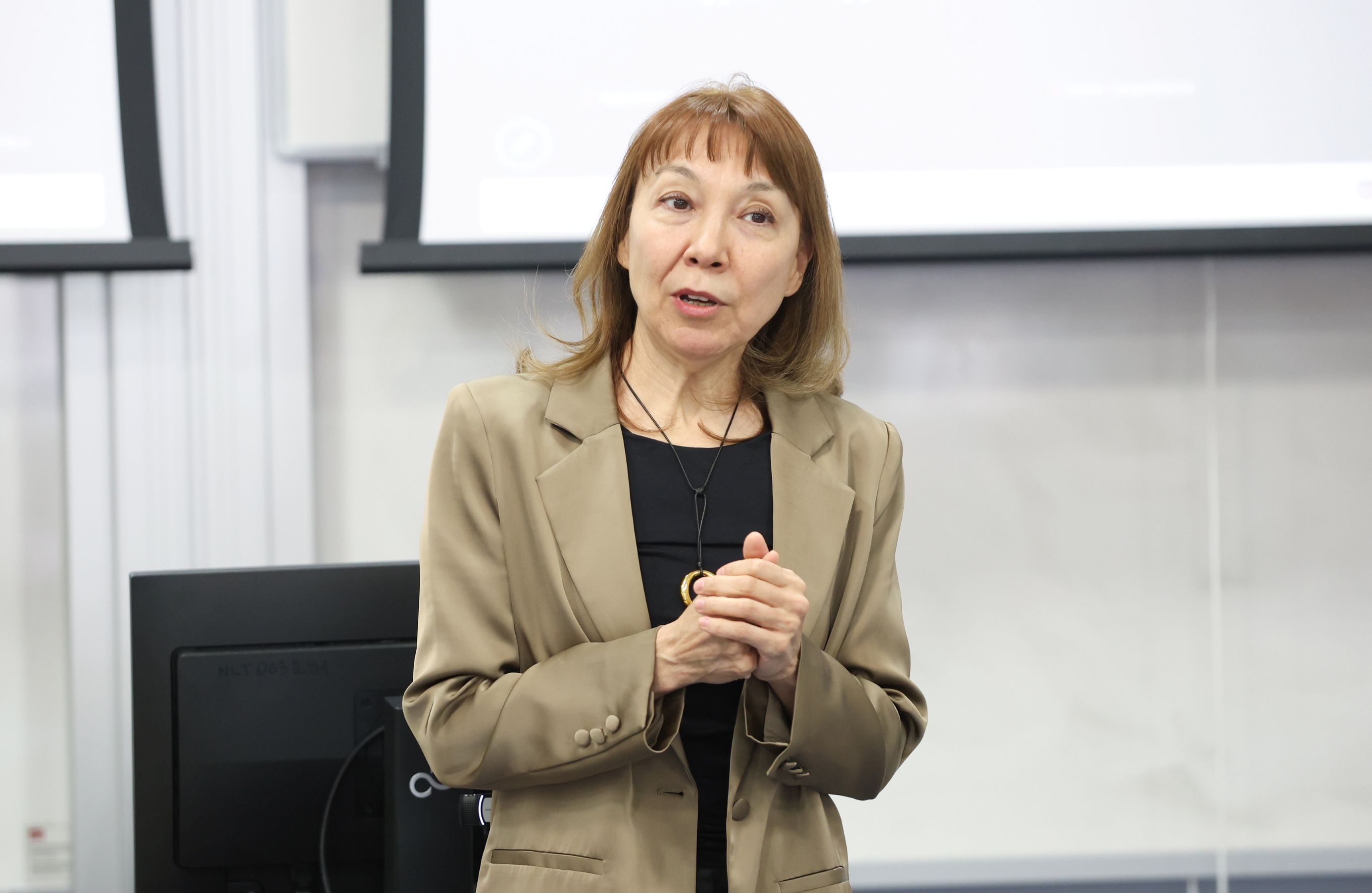
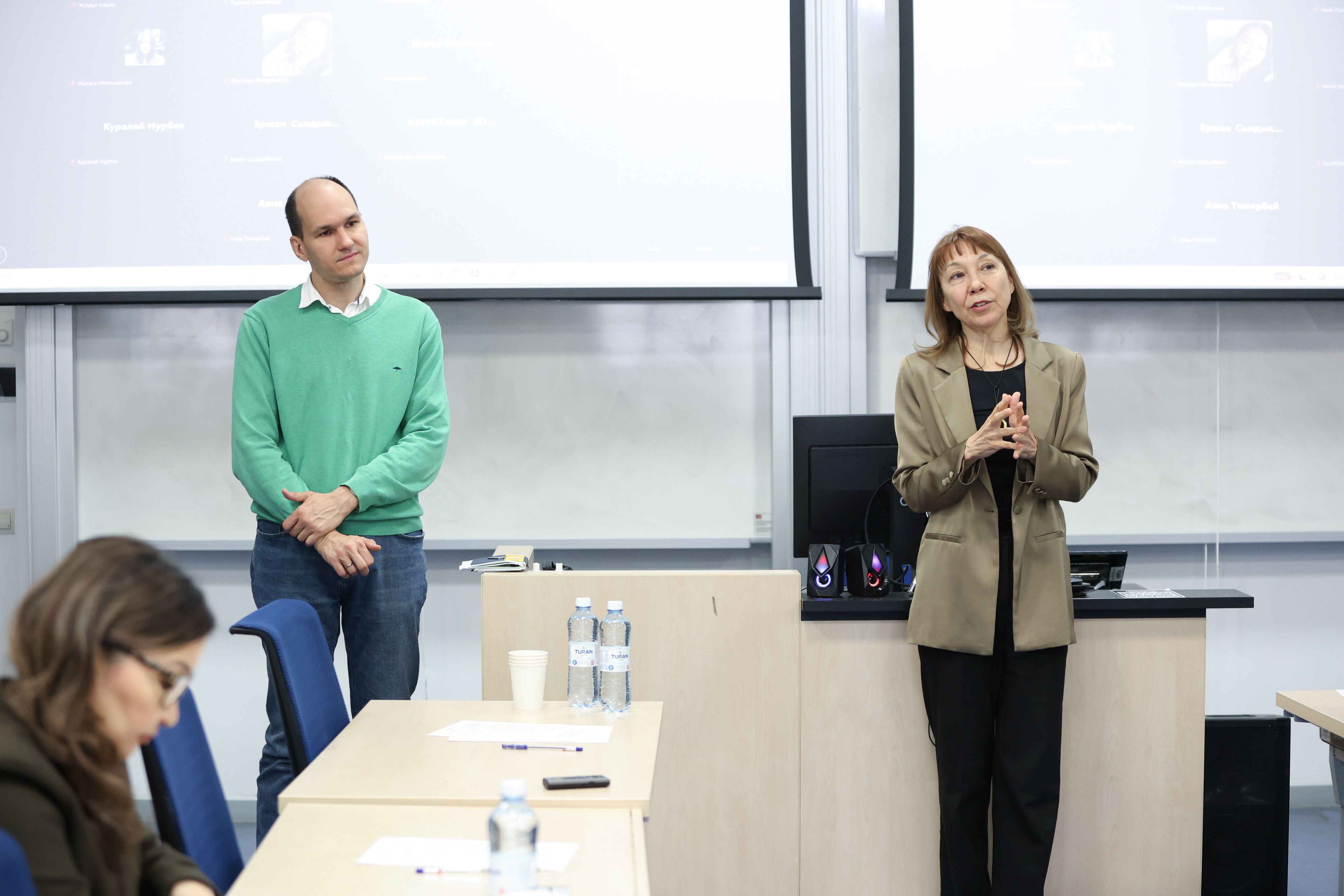
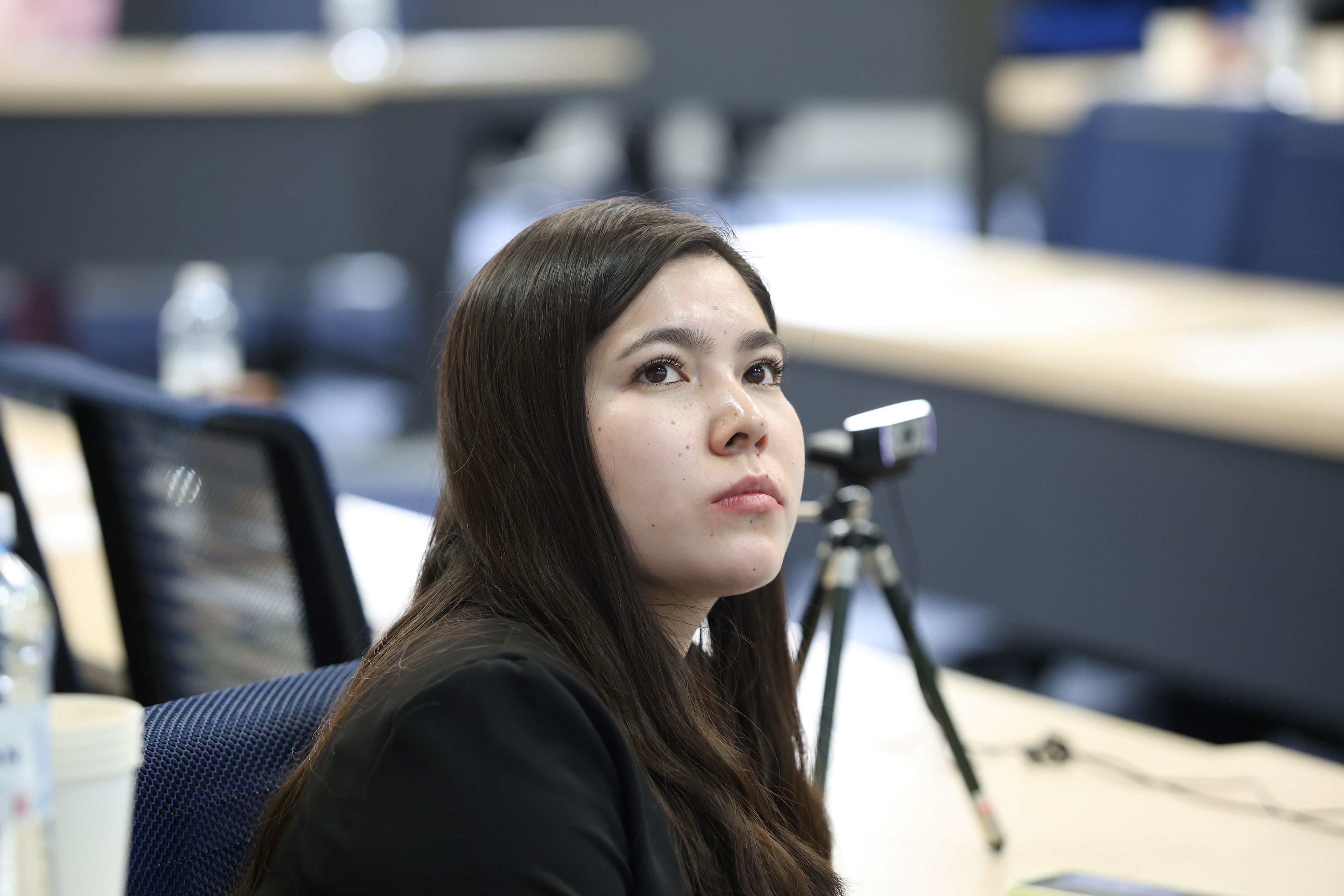
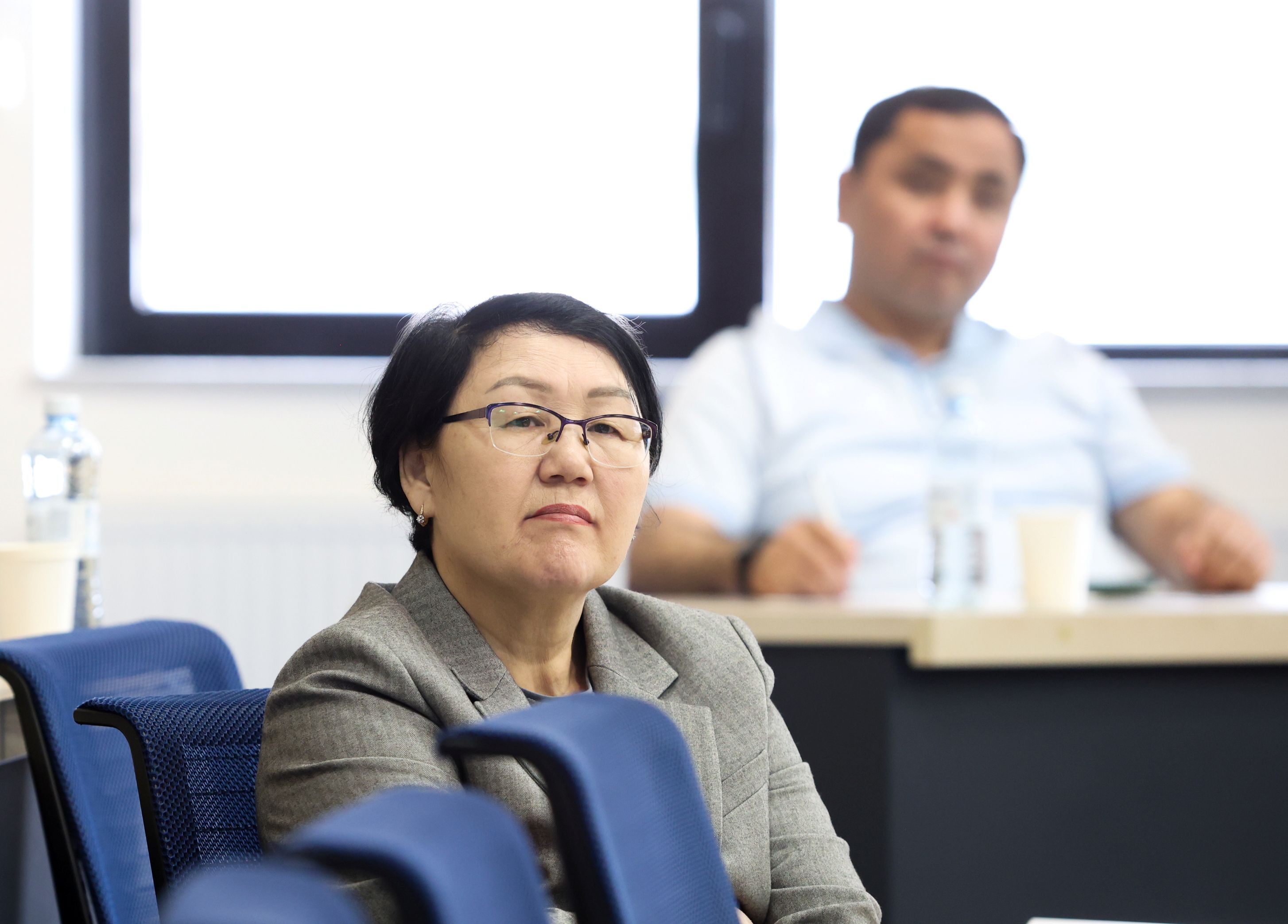
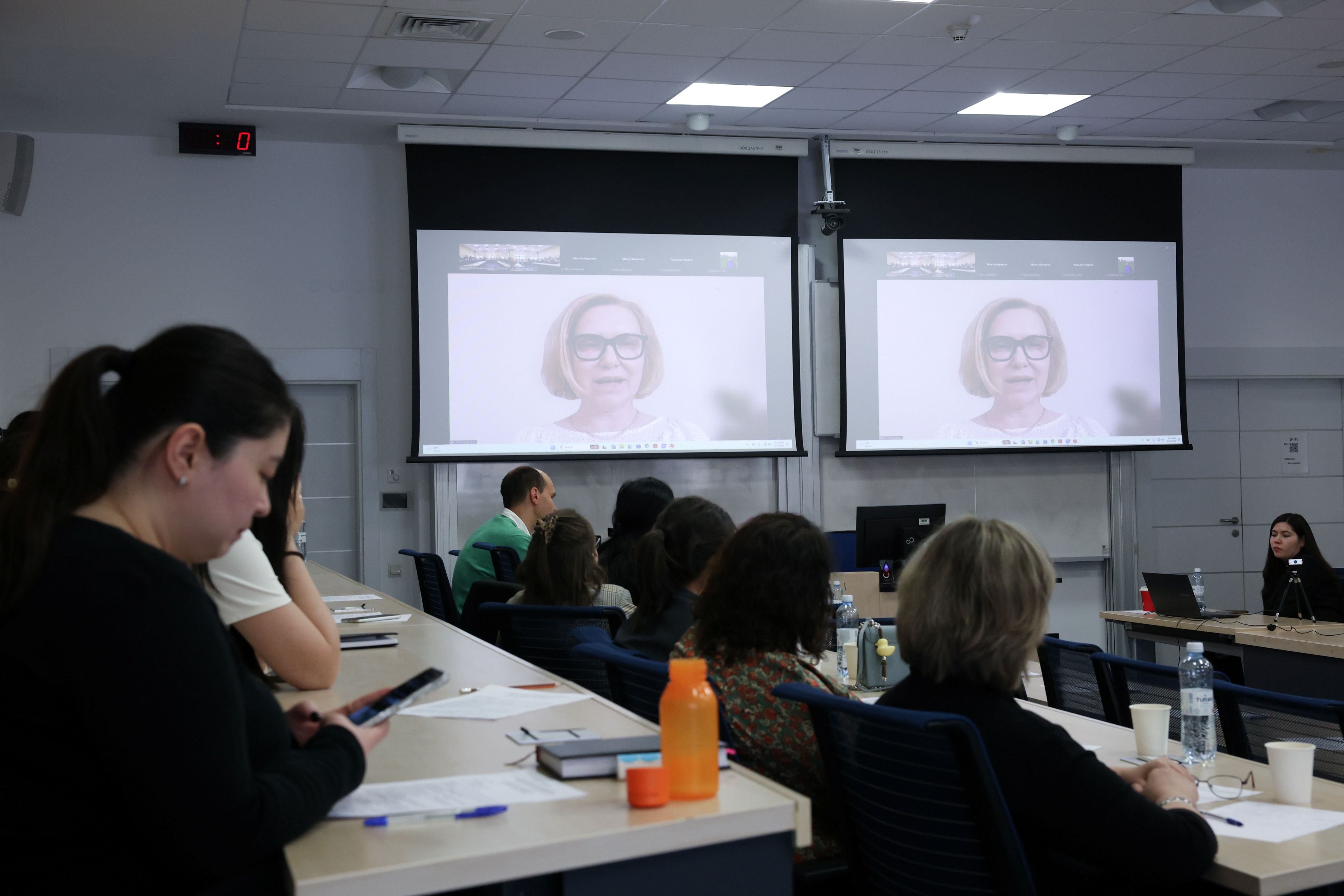
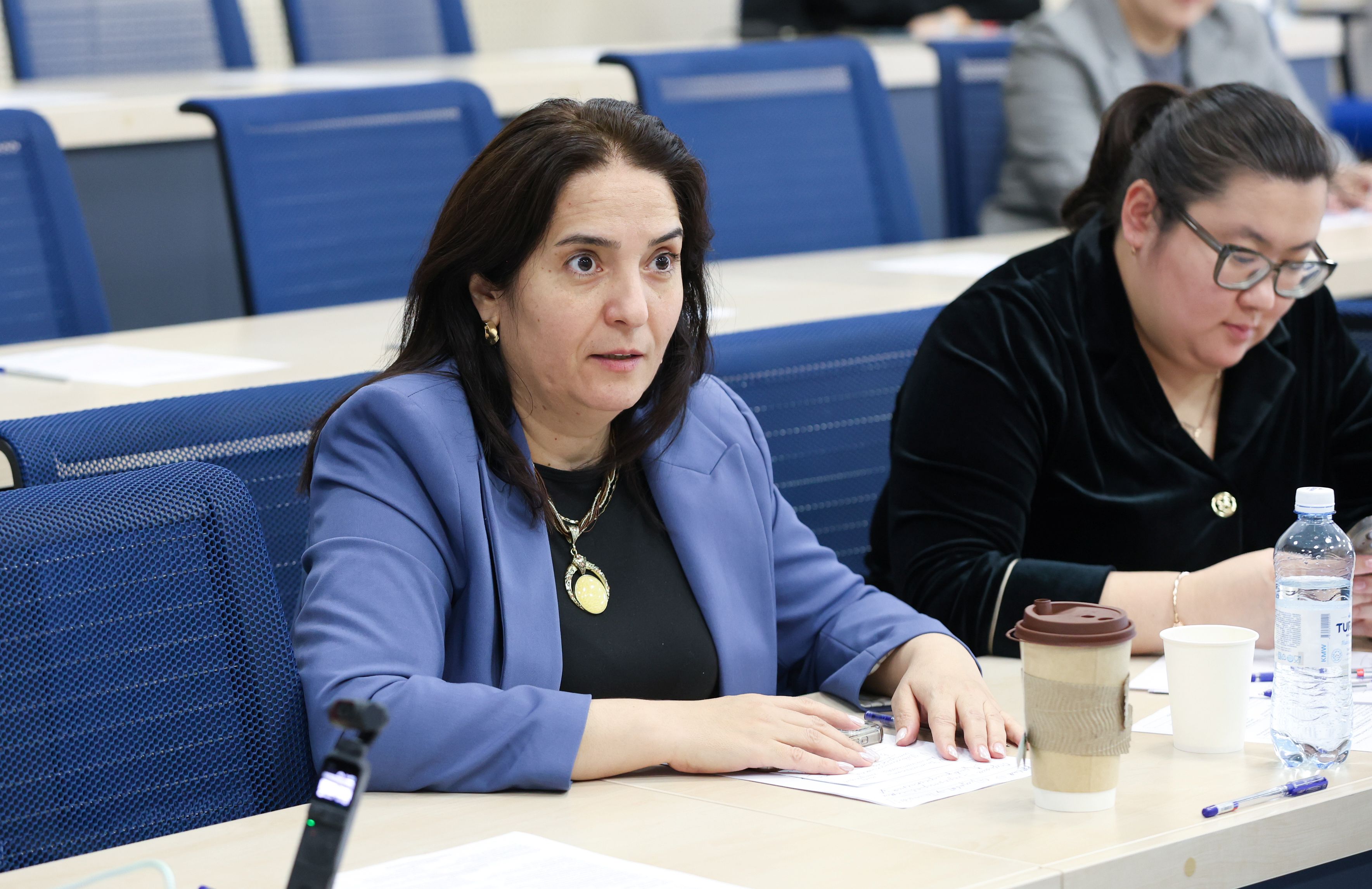
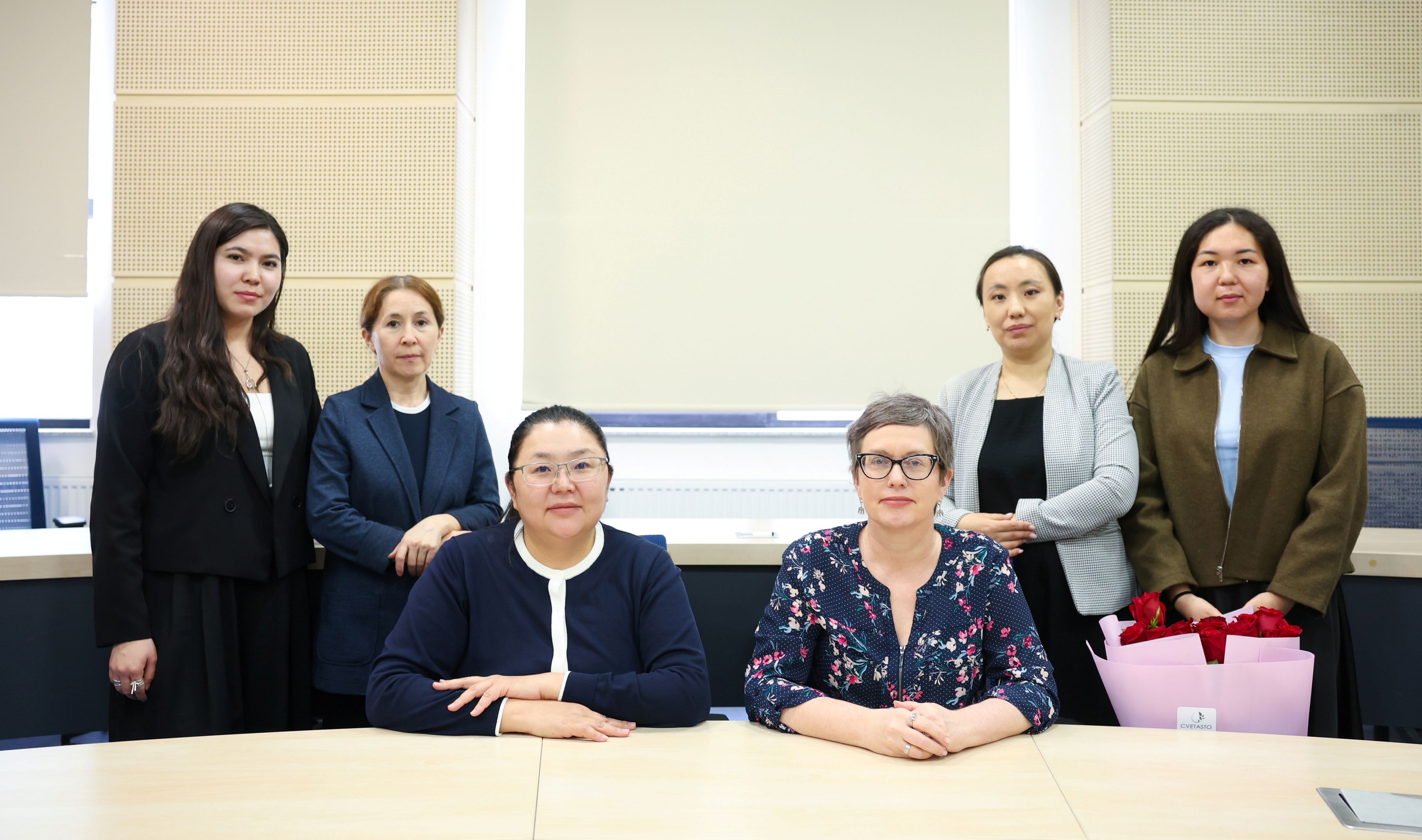
On 8 October 2026, a roundtable entitled “Regulating Migration Flows and Protecting the Labour Rights of International Truck Drivers from Central Asia in EU Member States” was held in Almaty, Kazakhstan.
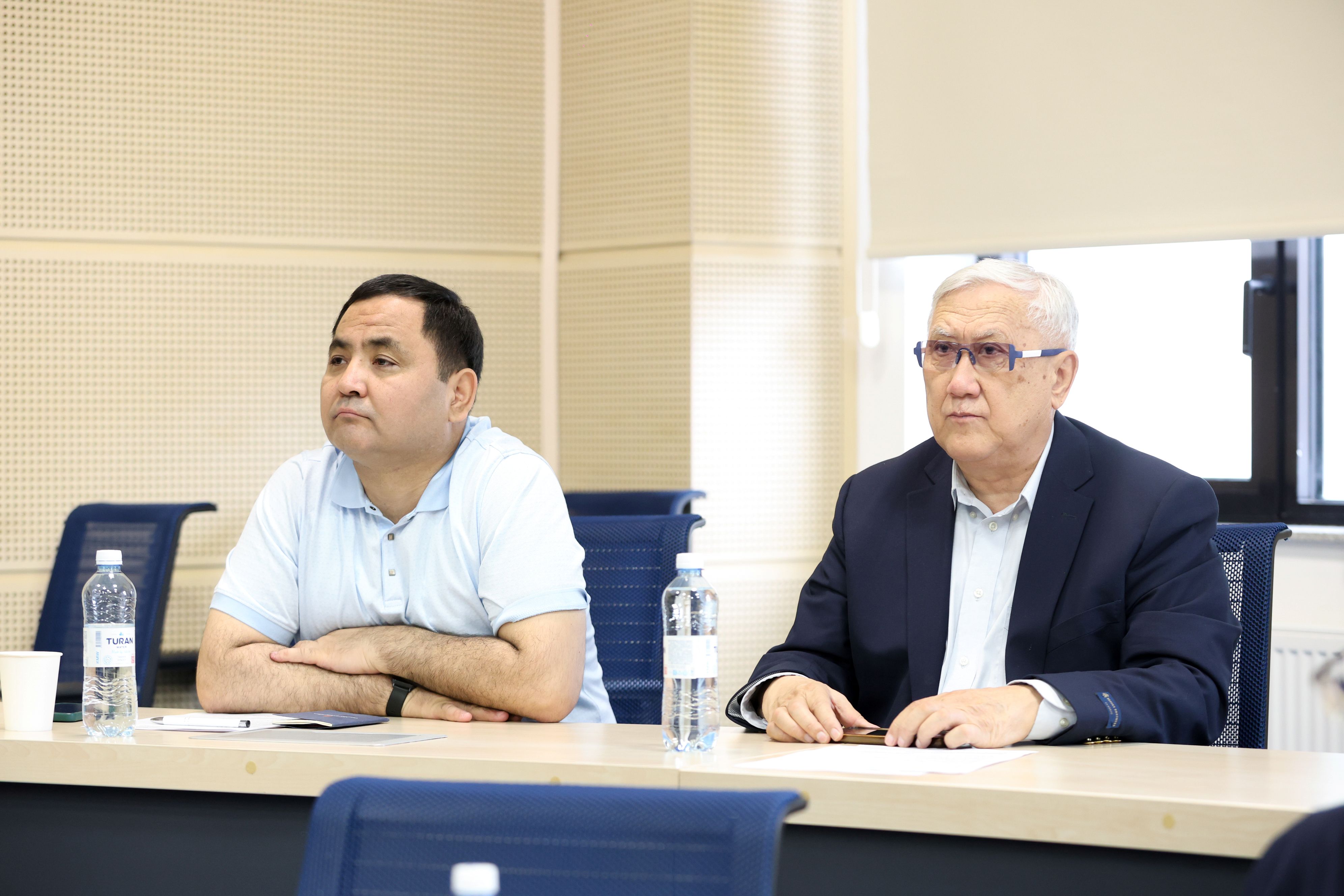
The event brought together researchers, representatives of government agencies and civil society organisations, international experts, and trade union representatives to discuss current trends in labour migration from Central Asia to the European Union (EU).
The roundtable was organised by the Friedrich-Ebert-Stiftung (FES) Regional Office for Central Asia.
The participants were welcomed by Philipp Jahn, Regional Director of the Friedrich-Ebert-Stiftung in Central Asia; Zauresh Shutova, representative of the Friedrich-Ebert-Stiftung in Astana; and Nurkhan Zhaliev, Managing Director of the Department of Analysis and Strategic Development at the Otandastar Foundation, a non-profit joint-stock company under the Ministry of Foreign Affairs of the Republic of Kazakhstan.
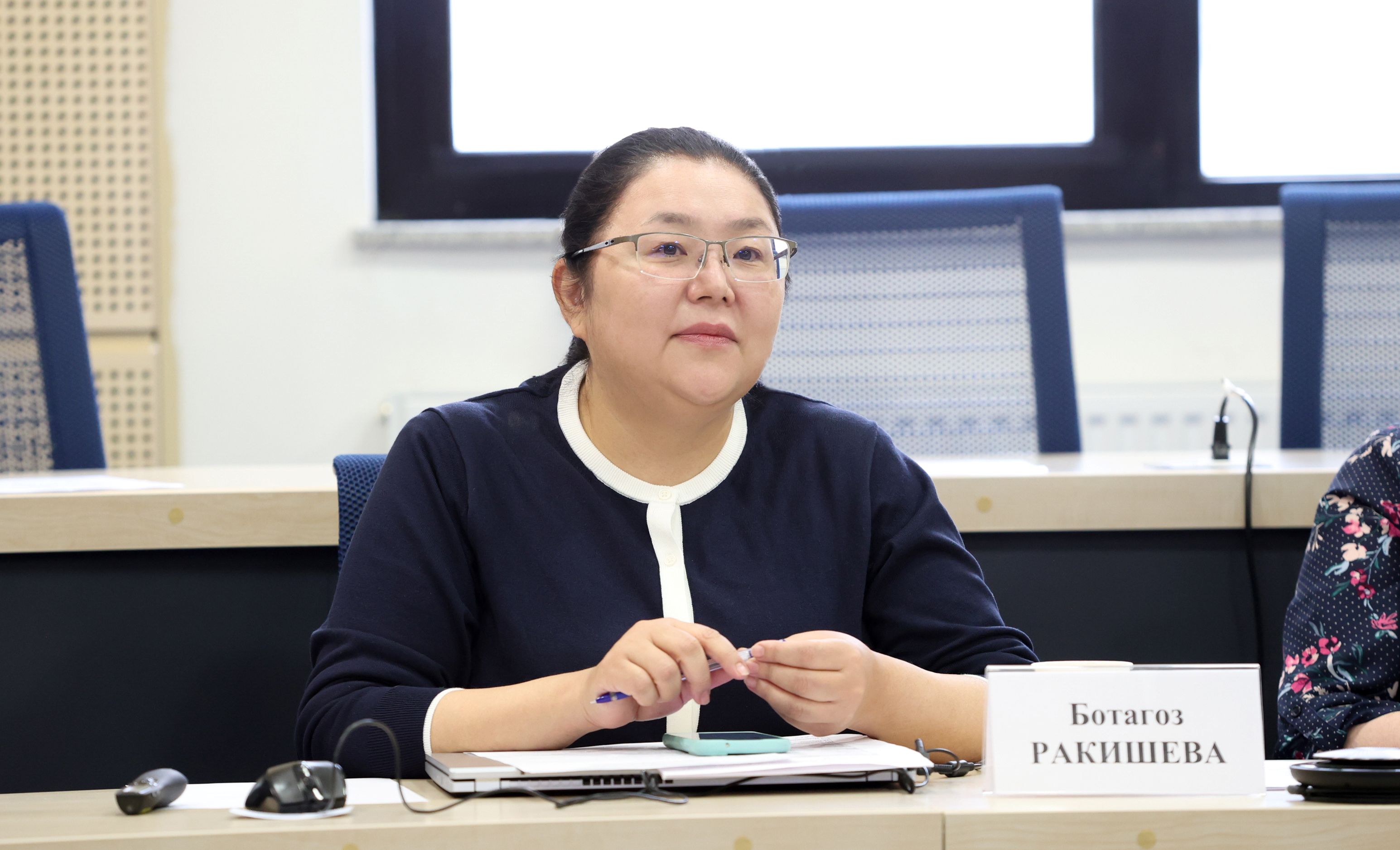
The event was moderated by Dr Botagoz Rakisheva of the Public Opinion Research Institute (Astana, Kazakhstan).
In her presentation, “Migration from Central Asia to Europe: Statistics, Legal Statuses and Strategies,” Dr Botagoz Rakisheva outlined the main migration destinations, the scale of migration, and trends in migration from Central Asian countries to the EU.
Dr Sanat Kushkumbayev, Chief Research Fellow at the Kazakhstan Institute for Strategic Studies under the President of the Republic of Kazakhstan (KazISS), examined the challenges to realising Central Asia’s demographic dividend. Key factors affecting labour mobility and regional development included climate change, accelerated urbanisation, geopolitical shifts, and global competition for human capital.
Dr Larisa Kangaspuro of the Aleksanteri Institute, University of Helsinki, presented on migration from Central Asia to the Baltic and Nordic countries, focusing on emerging migration routes, labour mobility, and legal frameworks.
Dr Giulio Benedetti (Maastricht University / Stockholm School of Economics in Riga (SSE Riga)) analysed the mechanisms through which European logistics companies recruit drivers from Central Asia. Particular attention was paid to recruitment chains, the role of recruitment agencies and informal intermediaries, and emerging trends in labour activism among drivers.
Nurgul Kadyrkulova, Deputy Head of the Secretariat of the Council on Migration and Combating Human Trafficking under the Speaker of the Parliament of the Kyrgyz Republic, presented the findings of a study on migrant workers from Kyrgyzstan in Germany. Her presentation addressed the scale of migration, systemic barriers, opportunities for dual education and fair recruitment, and the experiences and reputation of Kyrgyz citizens in the host country.
Dr Anna Weyrauch of Faire Mobilität, a German labour rights advisory network, discussed advisory services for third-country nationals and common labour rights violations in the European transport sector. Key issues included non-payment of wages and violations of regulations governing drivers’ working hours and rest periods. Particular attention was also given to legal assistance and advisory services provided in Russian.
Edwin Atema, representing the RTDD Foundation and the Dutch trade union FNV, examined mechanisms for holding clients accountable and opportunities for direct engagement with long-haul truck drivers. The discussion focused on monitoring working conditions across logistics supply chains, findings from in-depth interviews with drivers from Central Asia, and mechanisms for holding major European clients accountable for the working conditions of employees of subcontracting companies.
The roundtable brought together a wide range of experts, including Herman Kim, Doctor of Historical Sciences, Professor, and Director of the Institute of Asian Studies at Al-Farabi Kazakh National University; Hans Holzhacker, economist and consultant on Central Asia; Assel Nazarbetova, Head of the Almaty Representative Office of the Kazakhstan Institute for Strategic Studies under the President of the Republic of Kazakhstan (KazISS); Bulat Auelbayev, expert at KazISS; Elena Sadvoskaya, international consultant on migration and migration policy; Leila Delovarova, Acting Professor at the Department of International Relations and World Economy at Al-Farabi Kazakh National University; Alexey Belyanin, Professor at Almaty Management University (AlmaU); Olga Isupova, Professor at Narxoz University; Eldaniz Guseynov, political scientist at Nightingale International; Ruslan Izimov, Leading Research Fellow at the Institute of Philosophy, Political Science and Religious Studies; Gulmaidan Urazbaeva, Associate Professor and Candidate of Historical Sciences at Kyrgyz National University; Leila Muzaparova, representative of the Rosa Luxemburg Foundation; Irina Chernykh, Doctor of Historical Sciences, Professor, and representative of the Rosa Luxemburg Foundation; Assel Kenzhetayeva, doctoral student at the Department of Political Science at L.N. Gumilyov Eurasian National University; Bota Zhunusova, researcher in the Department of Historical Demography at the Ch. Ch. Valikhanov Institute of History and Ethnology; and other experts.
Online participants included Professor Gulnara Nasimova, Head of the Department of Political Science and Political Technologies at Al-Farabi Kazakh National University; Dr Sangcheol Kim, Research Professor at the Institute of Central Asian Studies at Hankuk University of Foreign Studies (Seoul, Republic of Korea); Laura Mustafina, researcher; and other participants.
The roundtable was also attended by undergraduate, master’s, and doctoral students from Al-Farabi Kazakh National University, Narxoz University, and the Kazakhstan-German University.
The roundtable provided an important platform for professional dialogue and the exchange of international expertise on contemporary migration processes and the challenges faced by drivers from Central Asia seeking employment in EU Member States, particularly with regard to protecting their labour rights.
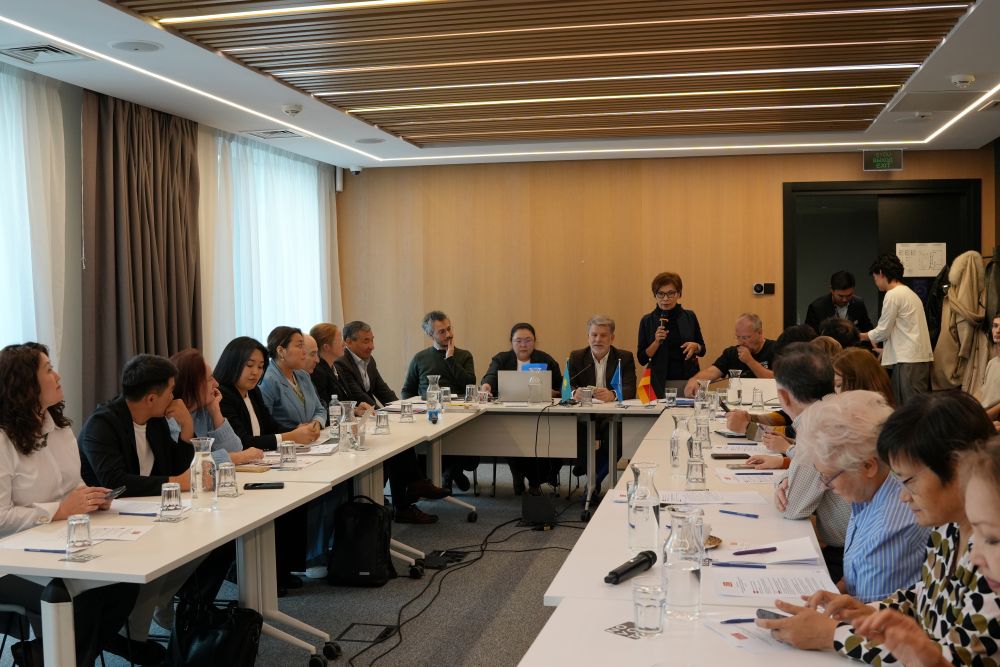
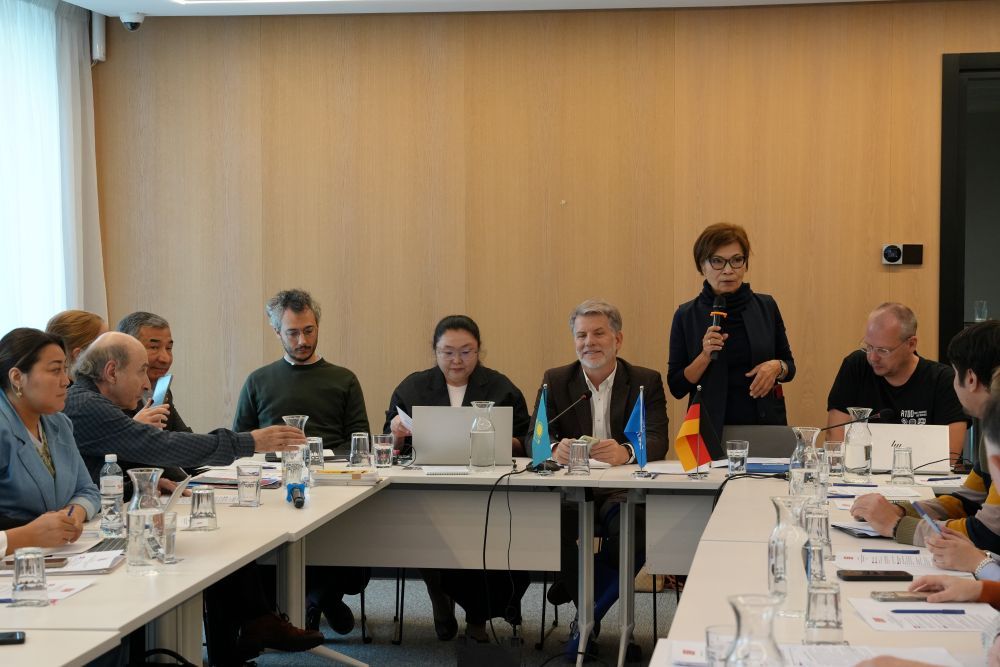
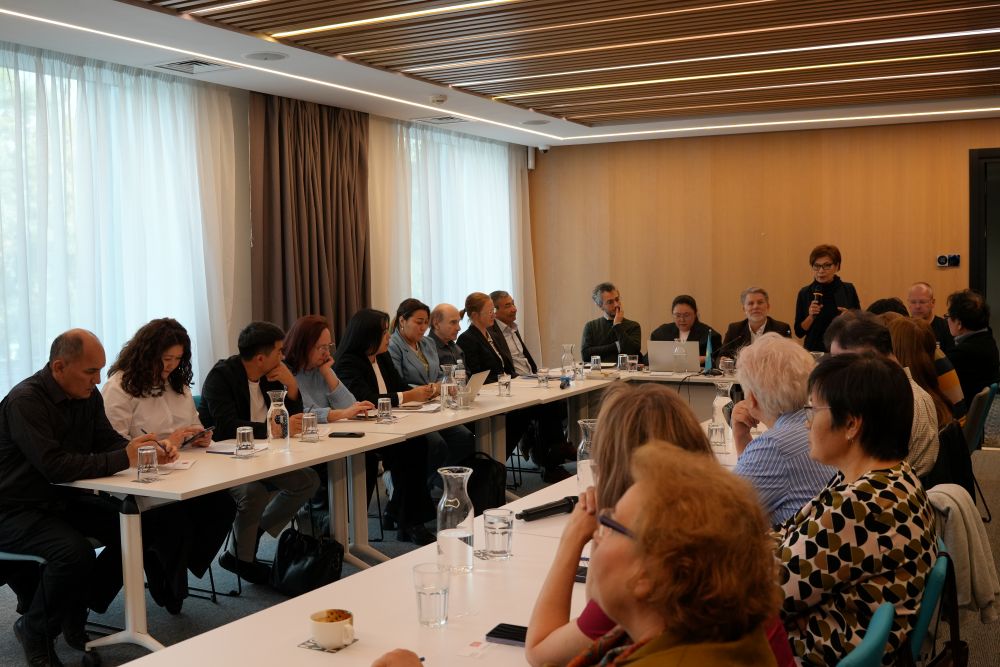
On May 13, 2026
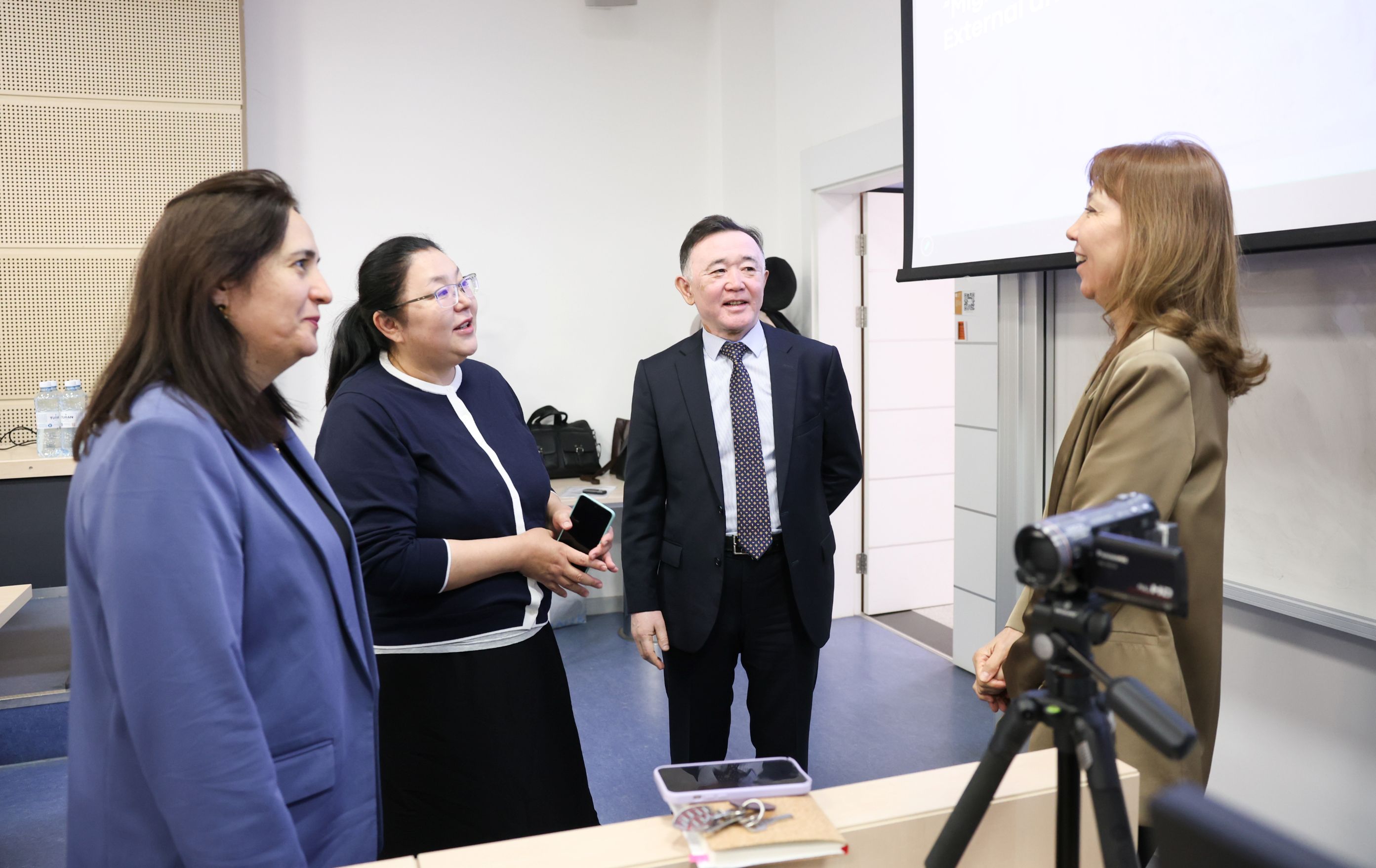
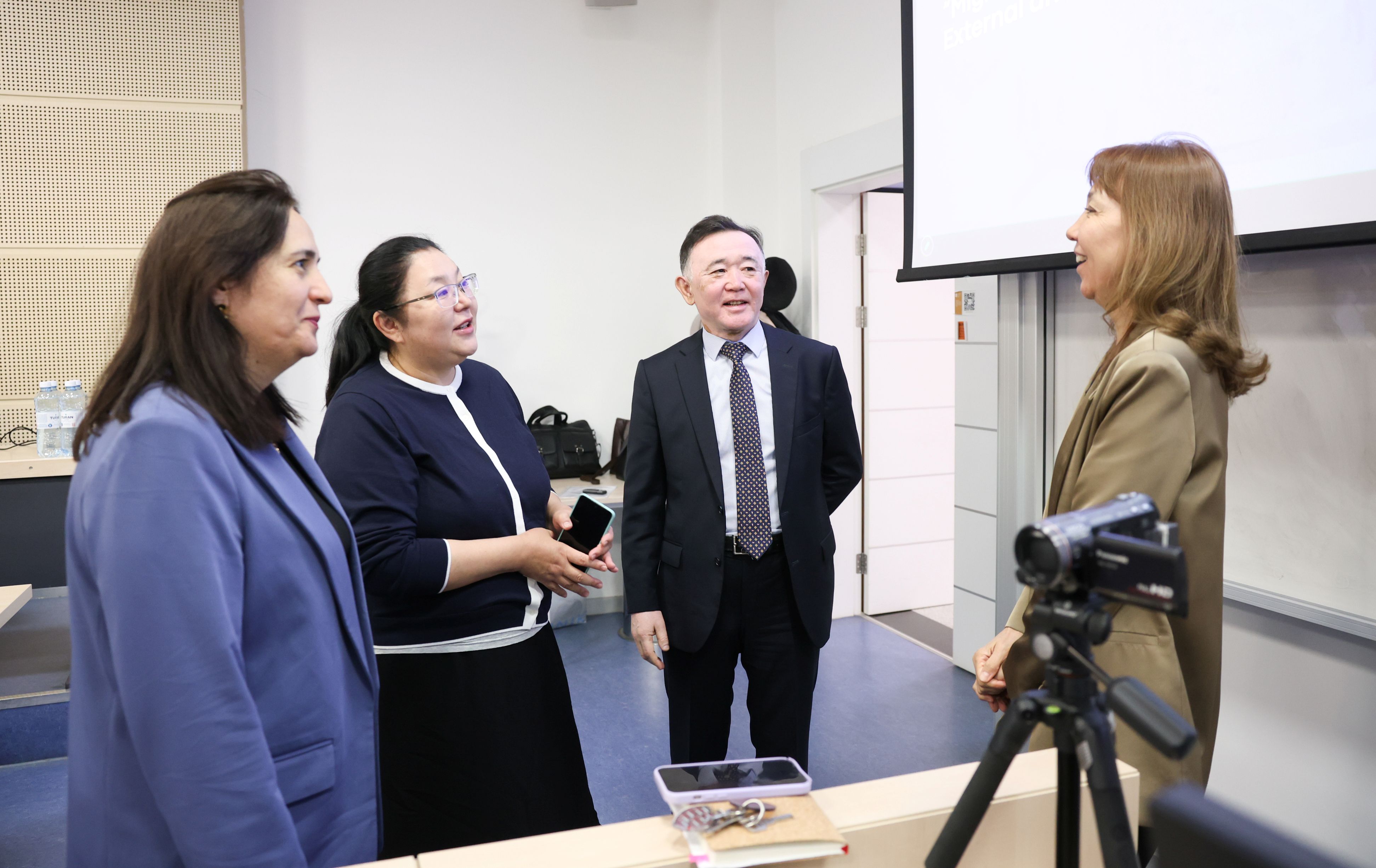
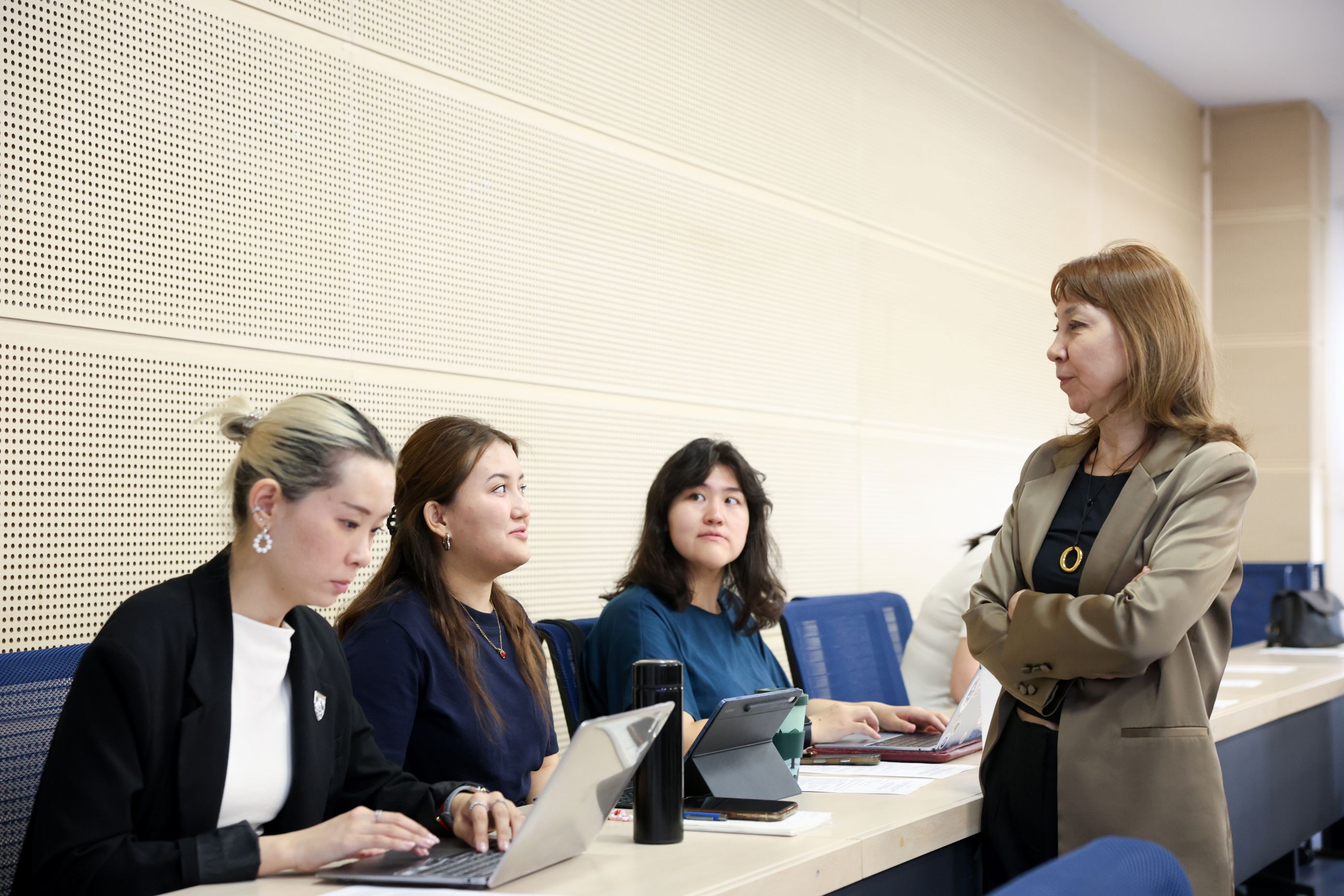
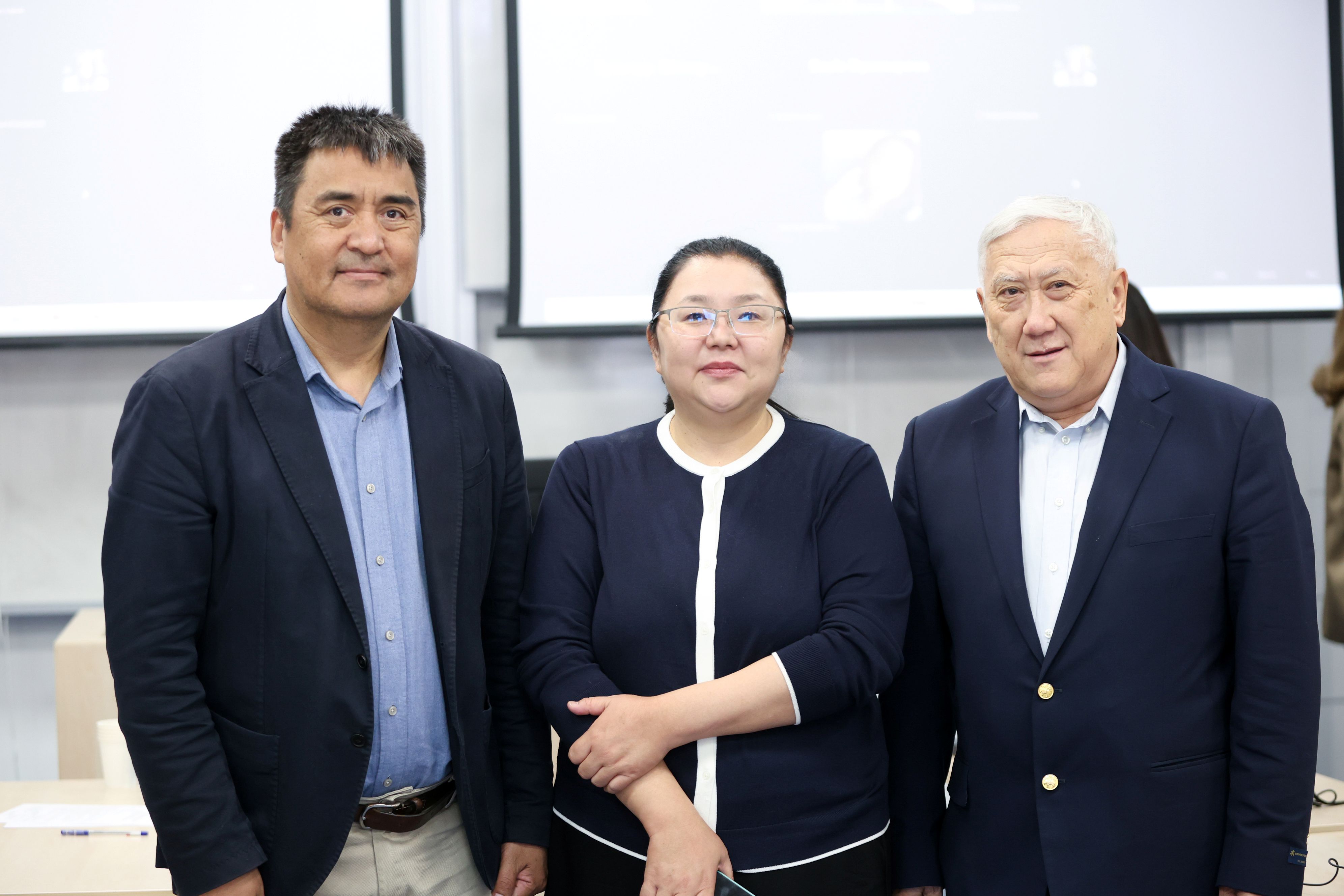
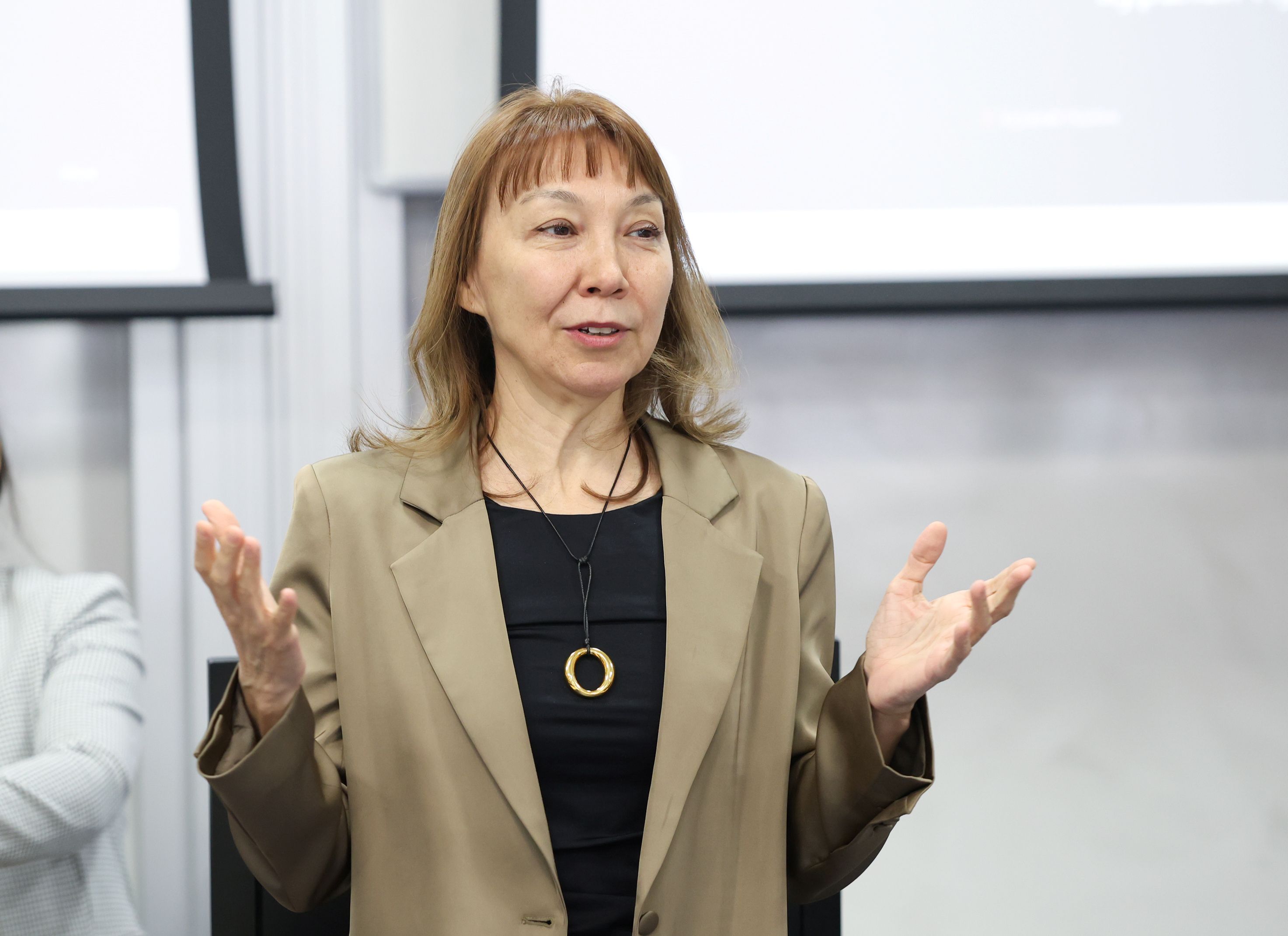
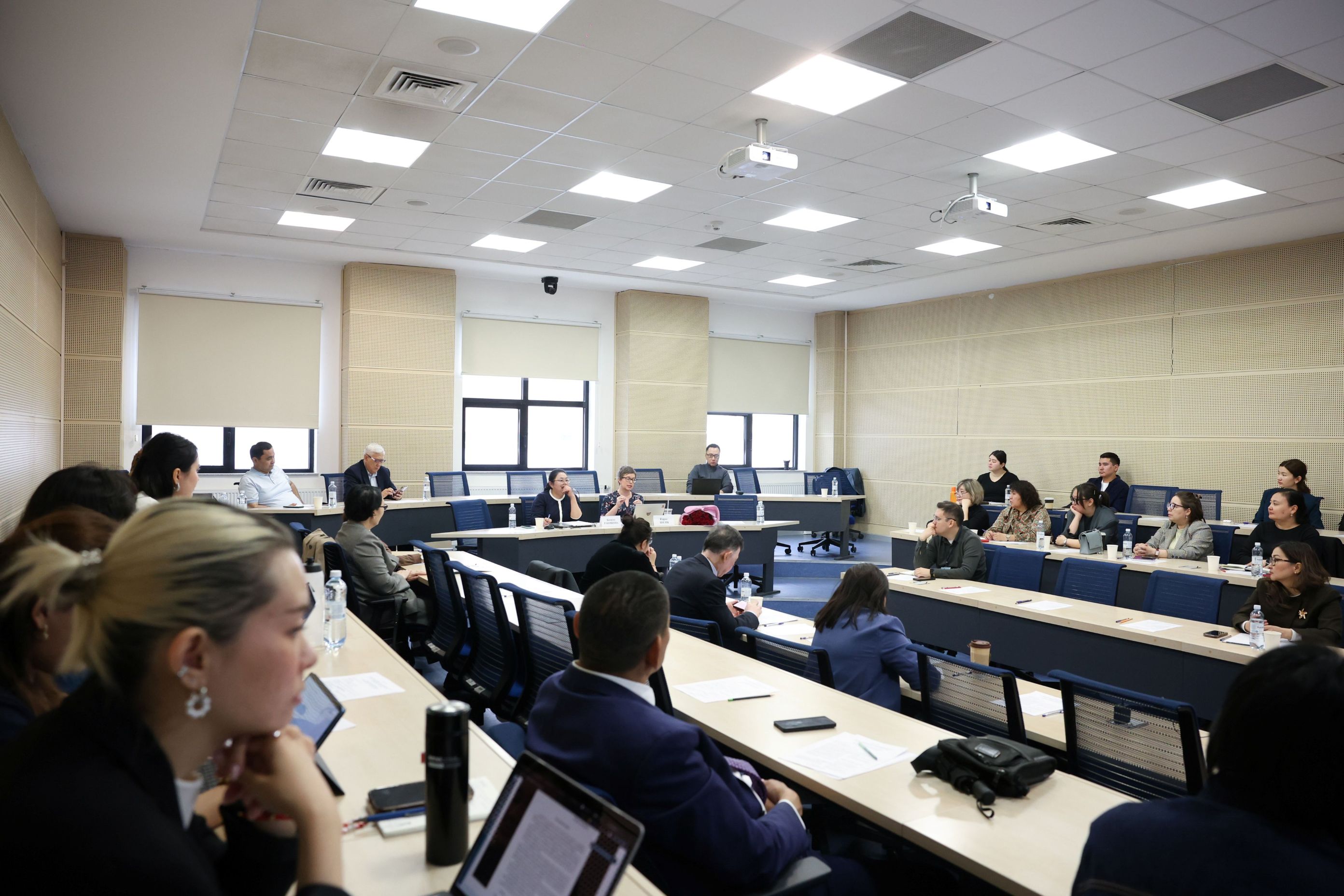
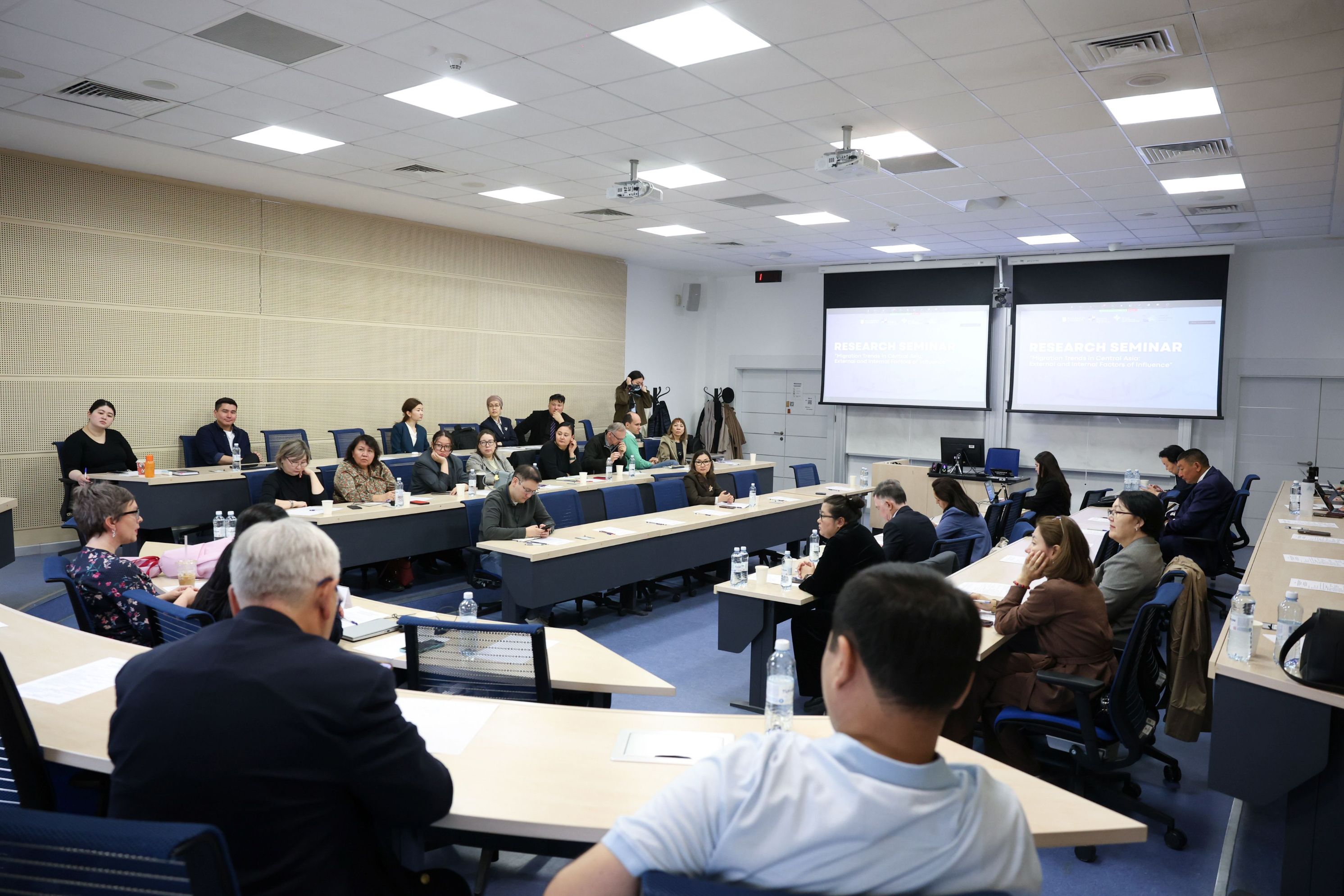
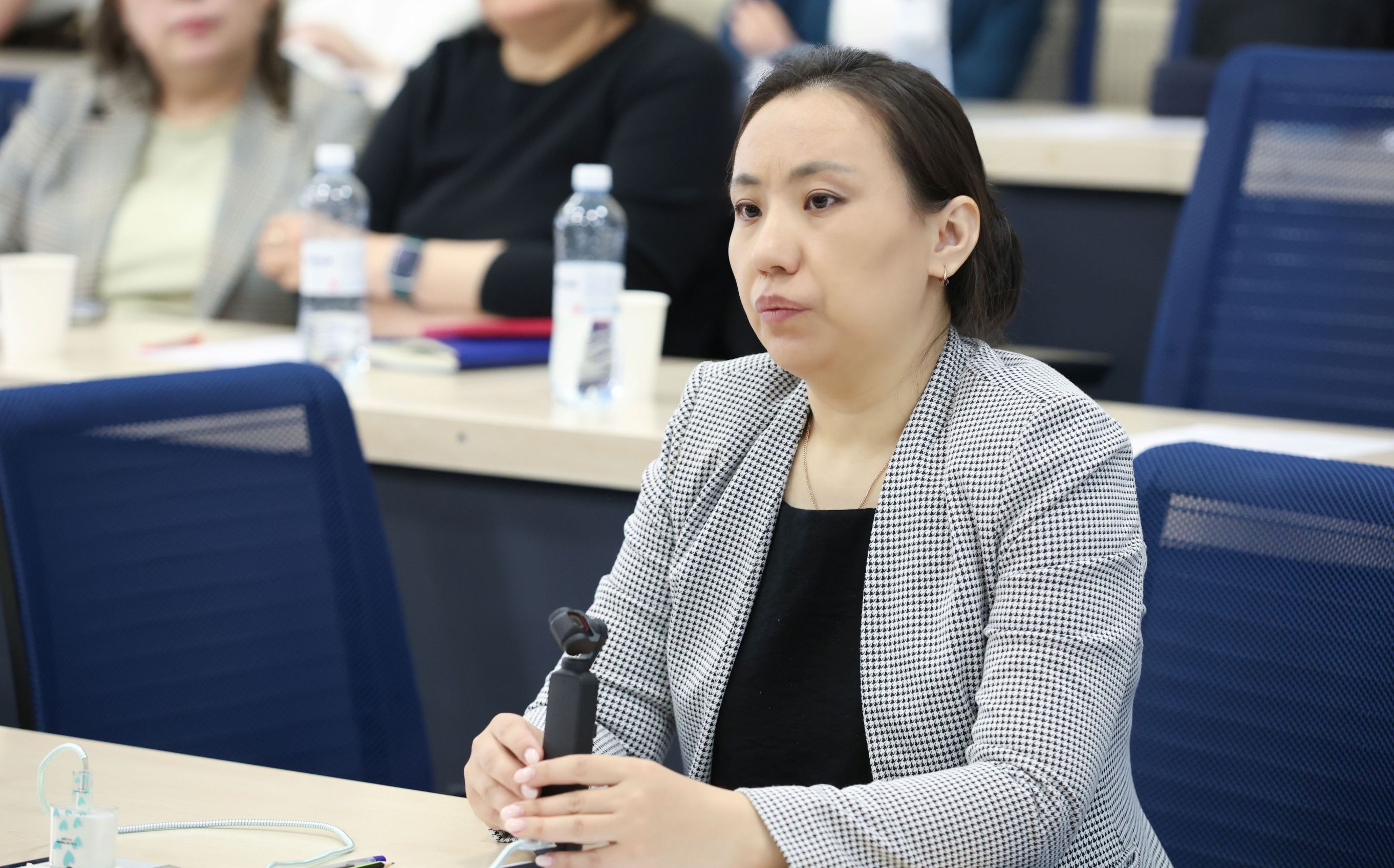
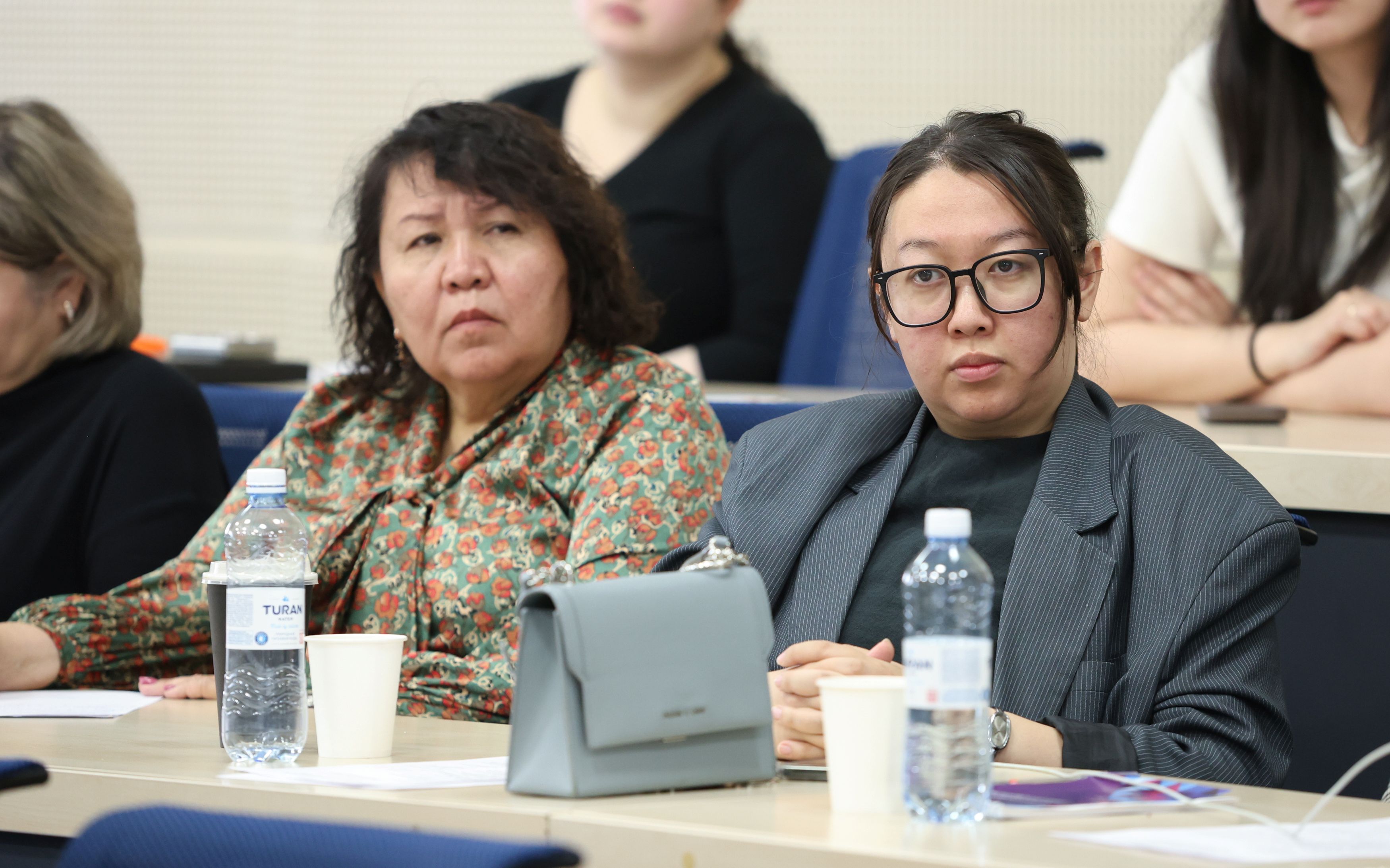
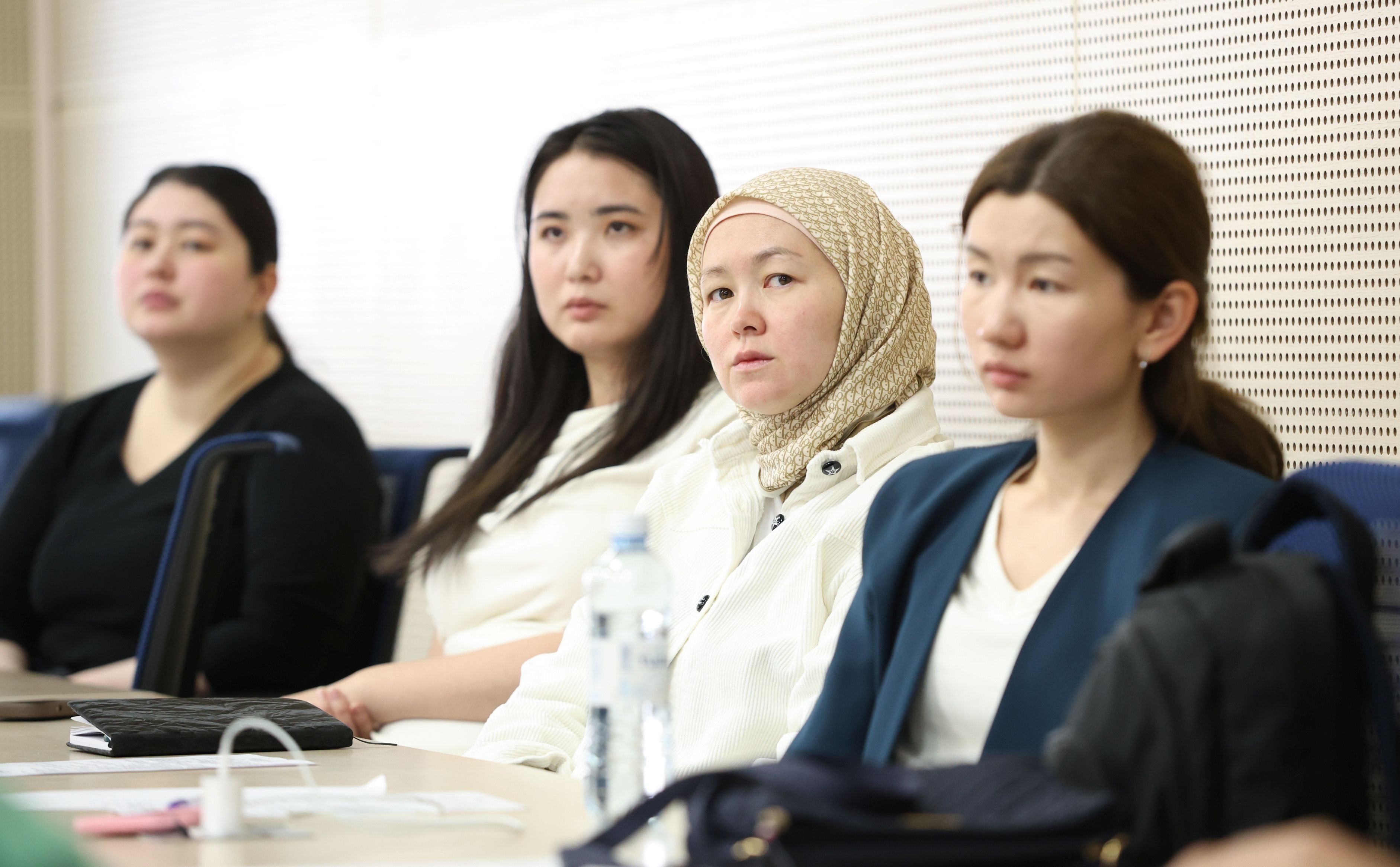
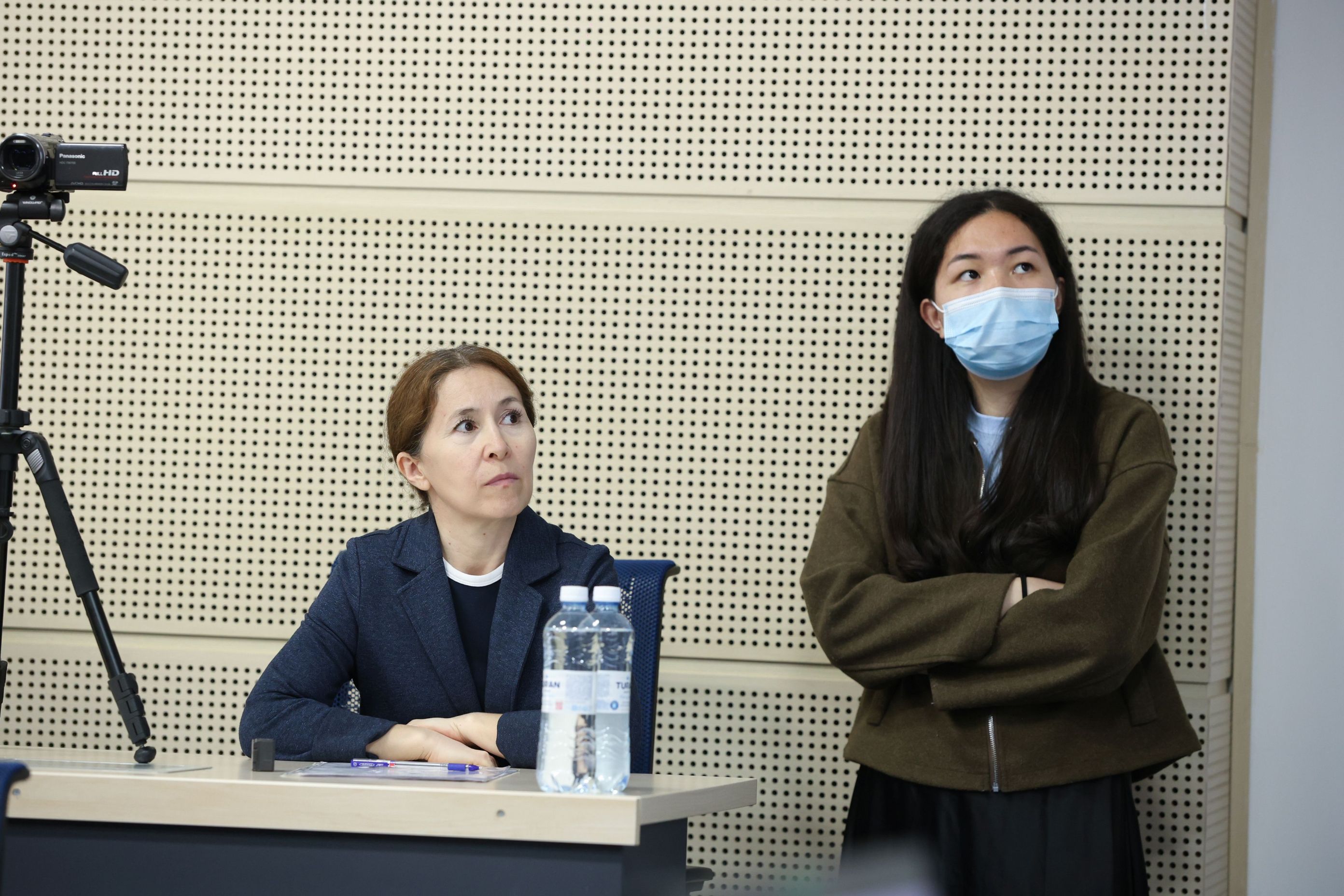
On May 13, 2026, the Fourth Scientific Seminar titled «Migration Trends in Central Asia: External and Internal Factors of Influence» was held at Nazarbayev University.
The organizers were the Public Opinion Research Institute, the School of Sciences and Humanities, and the Graduate School of Public Policy of Nazarbayev University.
The First joint scientific seminar, «Labor Migration: Problems, Solutions, and Prospects» was held on January 22, 2016. Within the framework of this seminar, the results of a sociological survey of labor migrants conducted by the Public Opinion Research Institute on behalf of Nazarbayev University were presented.
On November 22, 2019, the Second Scientific Seminar was held at Nazarbayev University, organized by the School of Sciences and Humanities, the Nazarbayev University Library, and the Public Opinion Research Institute. The keynote speaker in the panel discussion was migration specialist António Mendonça, with a presentation titled «Migrants from Central Asia in Western Europe: Numbers, Mobility, Profiles, Identity»
On December 4, 2020, the Third Scientific Seminar titled «Illegal Migration from Kazakhstan to South Korea» was held at the site of the Kazakhstan Council on International Relations (KCIR). The seminar was organized by the Kazakhstan Council on International Relations (KCIR), the Public Opinion Research Institute, and the School of Sciences and Humanities of Nazarbayev University.
More information is available on the website of the Public Opinion Research Institute:
https://opinions.kz/en/events/scientific-seminars-on-migration
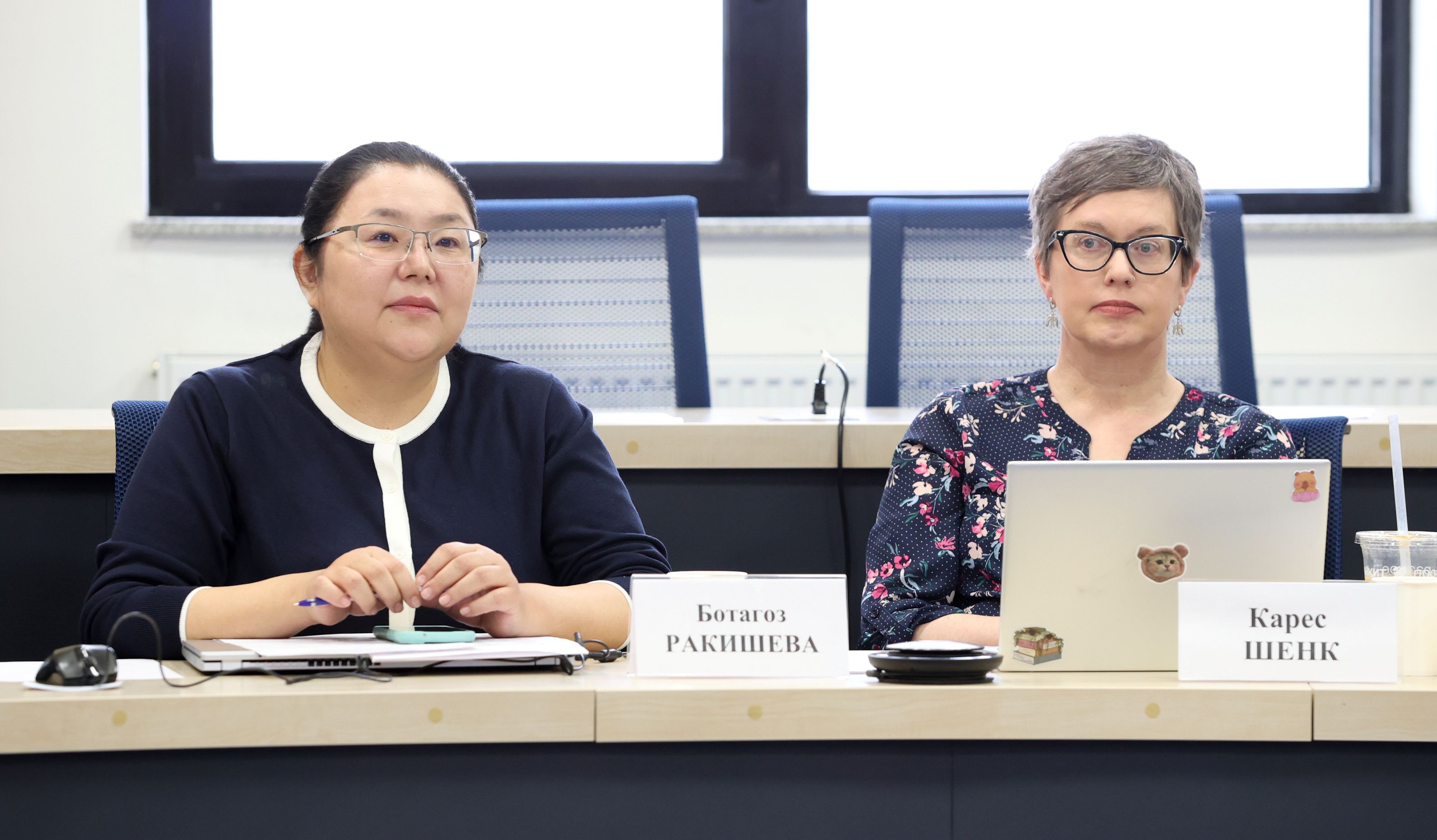
Moderators: Kares Shenk (Nazarbayev University), Botagoz Rakisheva (Public Opinion Research Institute).
Speakers at the seminar included:
Kares Shenk, Associate Professor, Department of Political Science and International Relations, Nazarbayev University, with the presentation «Difficulties of Researching Migration in Kazakhstan»,
Ayaulym Sagynbayeva, Head of the Center for Analysis and Forecasting of Demographic Processes, Bureau of National Statistics of the Agency for Strategic Planning and Reforms of the Republic of Kazakhstan, Founder of the Association of Demographers of Kazakhstan, with the presentation «Assessment of Current Migration Trends in Kazakhstan and Central Asian Countries»,
Leila Delovarova, Acting Professor, Department of International Relations and World Economy, Al-Farabi Kazakh National University, with the presentation «New Migration Trends and Directions in Central Asia»,
Nurkhan Zhaliyev, Managing Director of the Department of Analysis and Strategic Development, Otandastar Foundation, with the presentation «Compatriots Abroad as a Strategic Resource for Kazakhstan’s Development: From Symbolic Ties to Pragmatic Engagement Mechanisms»,
Kalmakas Yessimova, Master of Anthropology and Ethnology, Public Opinion Research Institute, Astana IT University, with the presentation «Key Trends of Chinese Migration in Kazakhstan»,
Vladimir Kozlov, Associate Professor, Graduate School of Public Policy, Nazarbayev University, with the presentation «Key Factors Affecting Fertility Intentions of Russian Migrants in Central Asia».
Online commentator: Dr. Larisa Kangaspuro, Aleksanteri Institute, University of Helsinki.

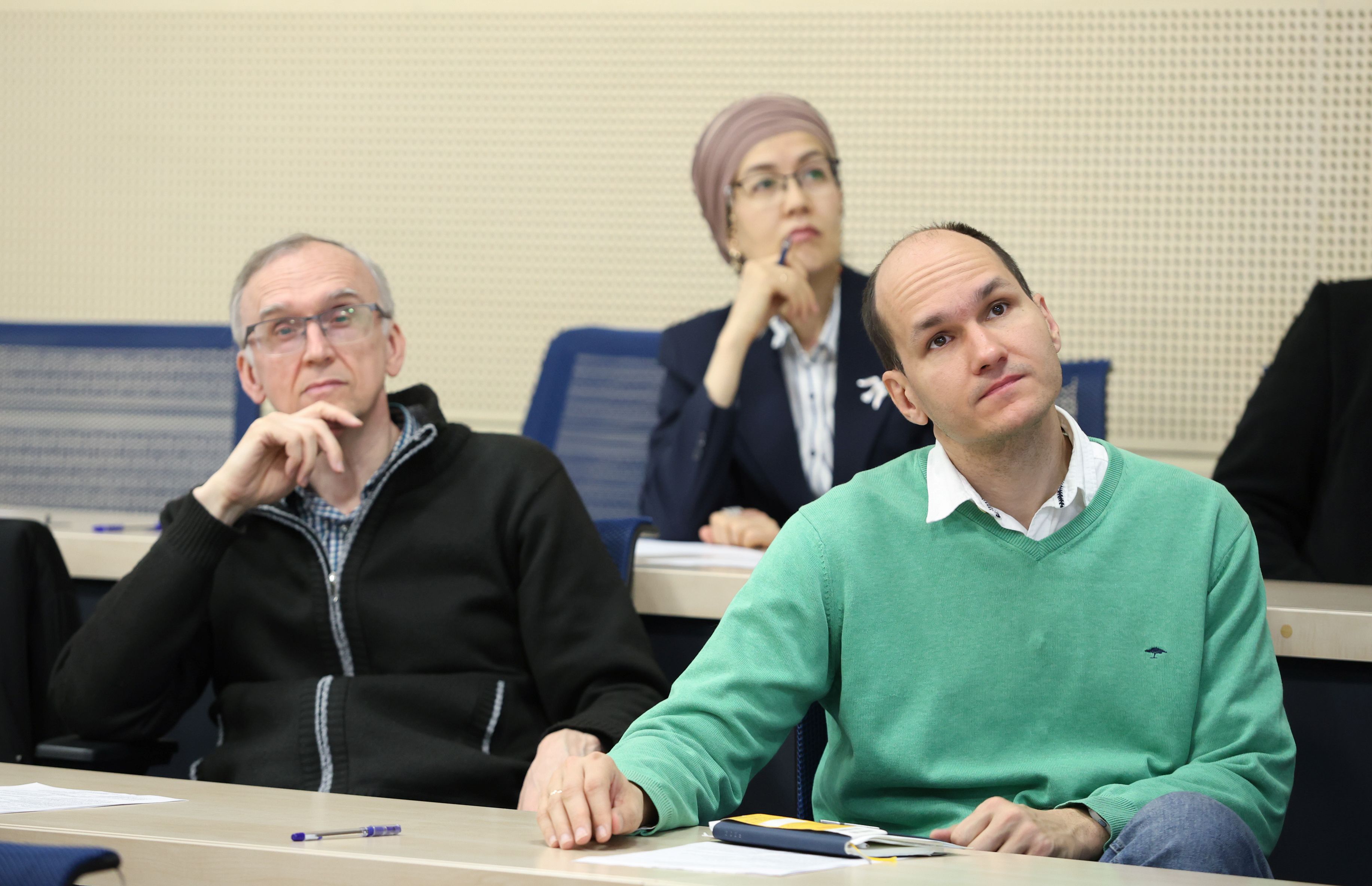
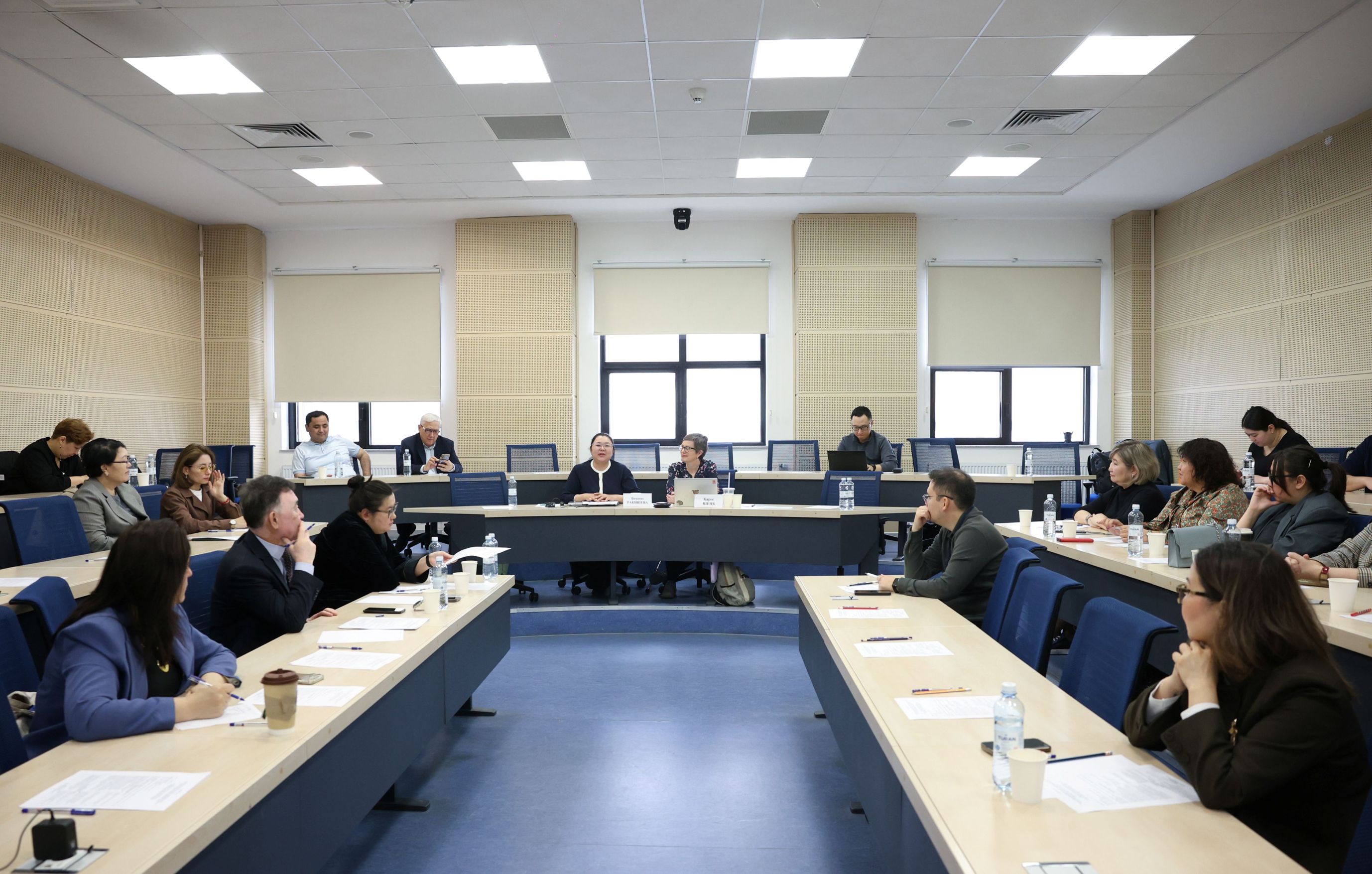
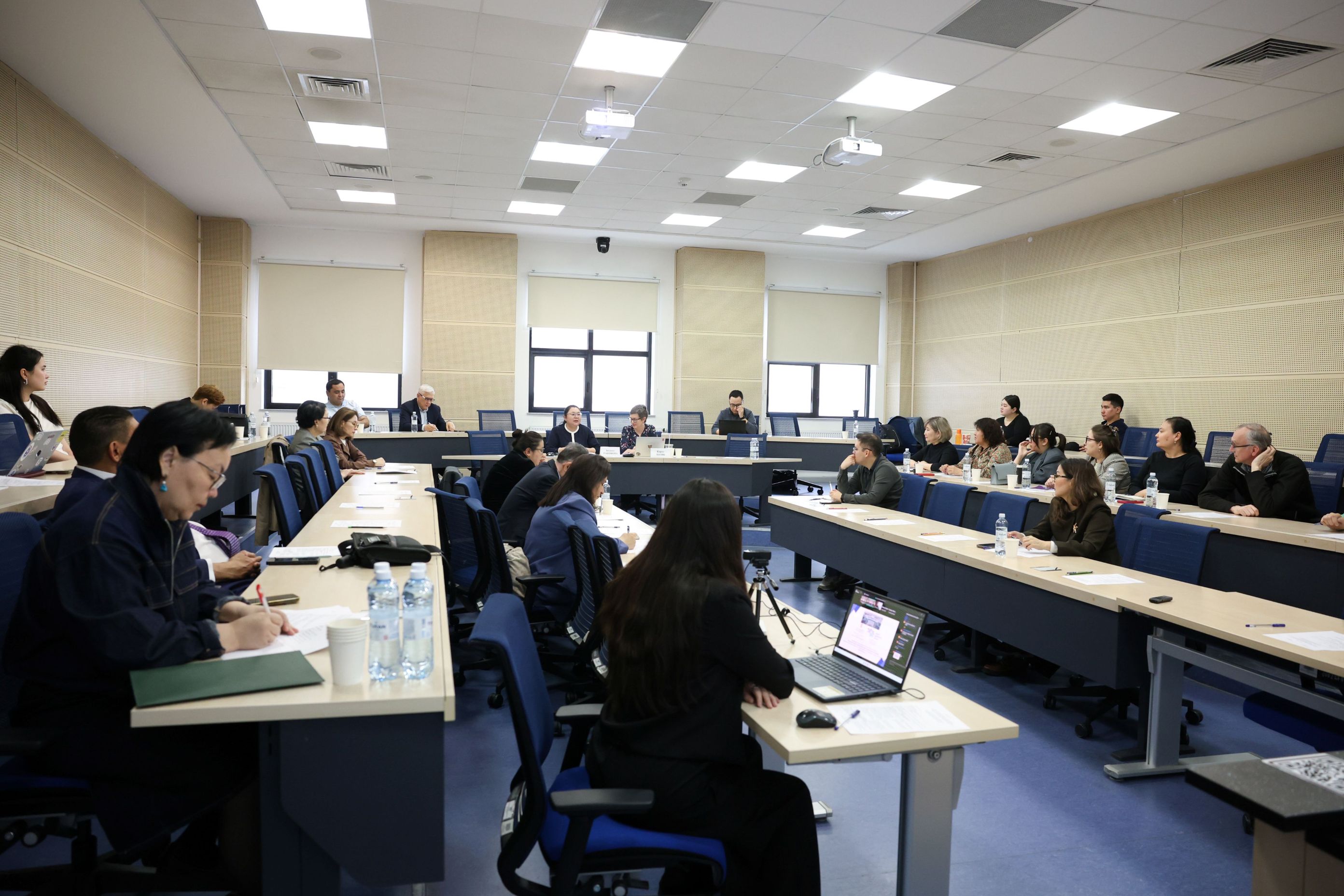
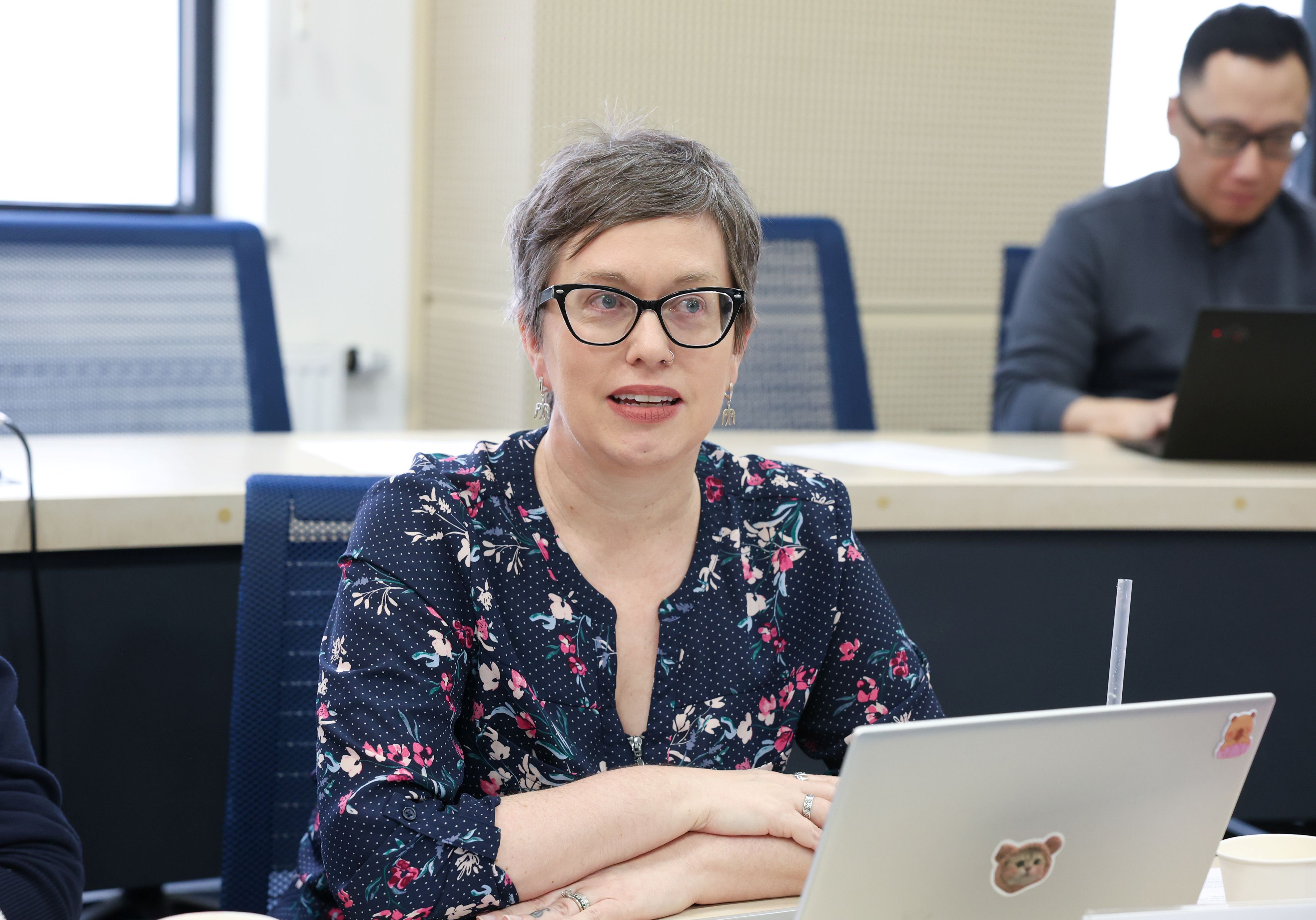
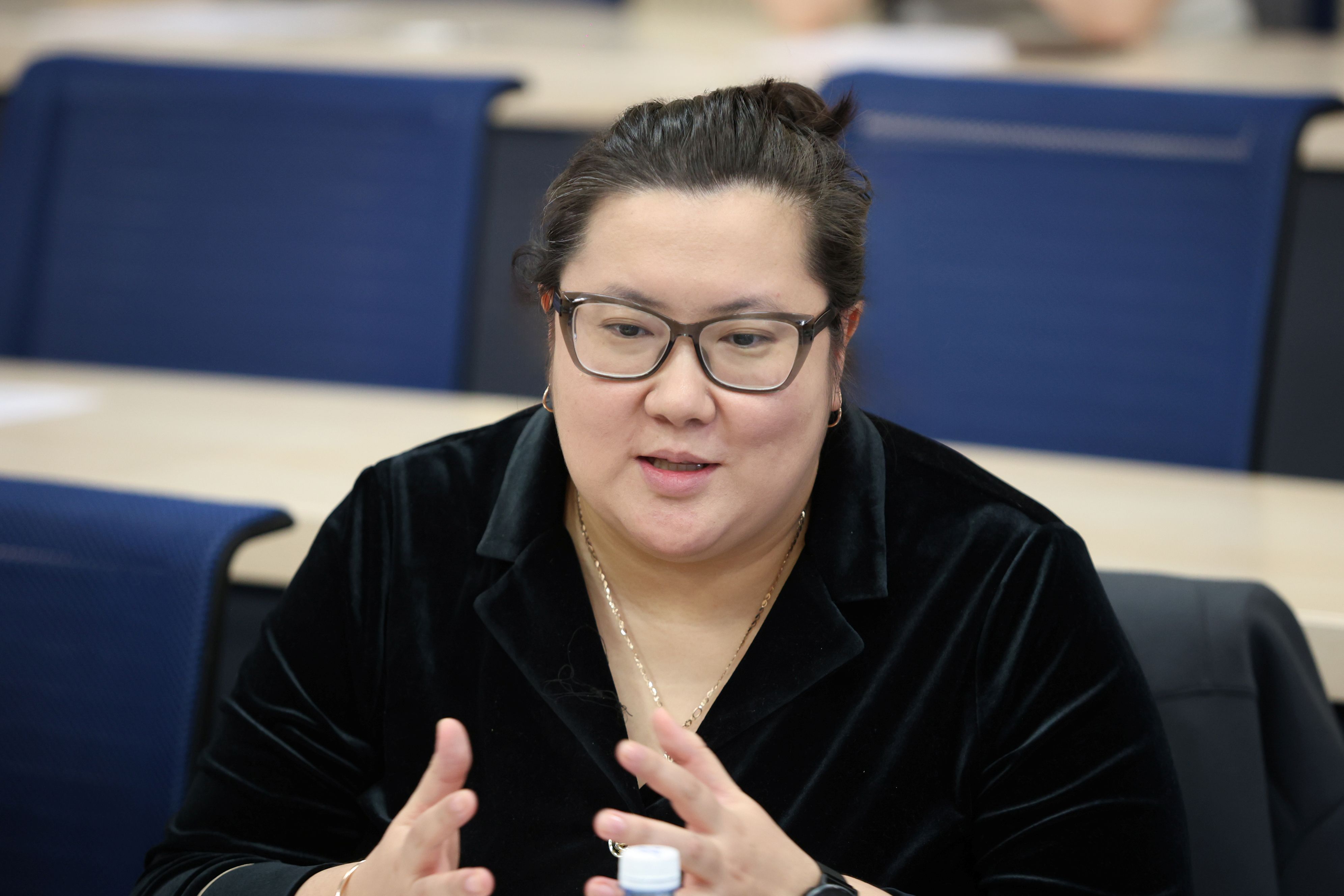
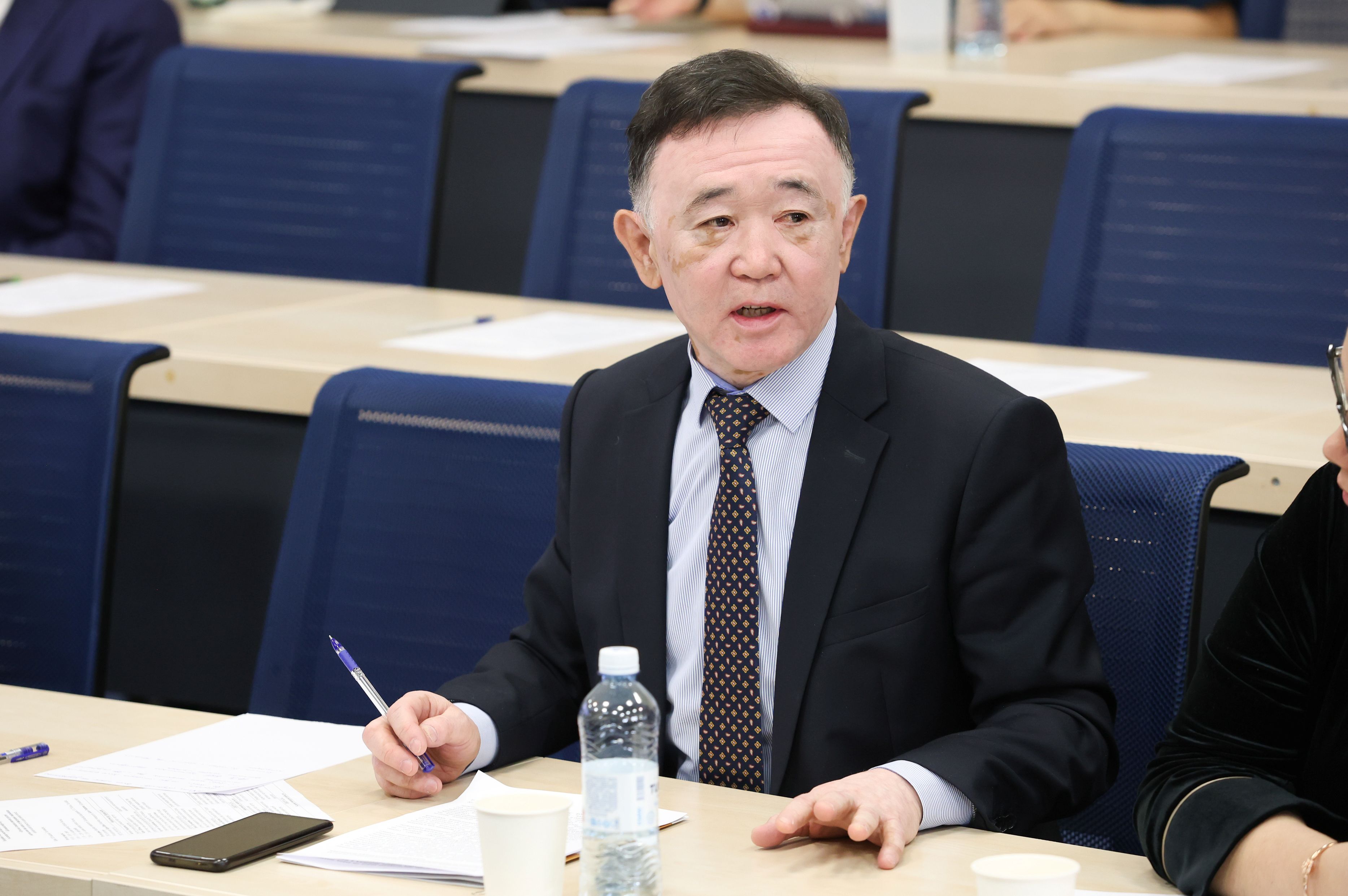
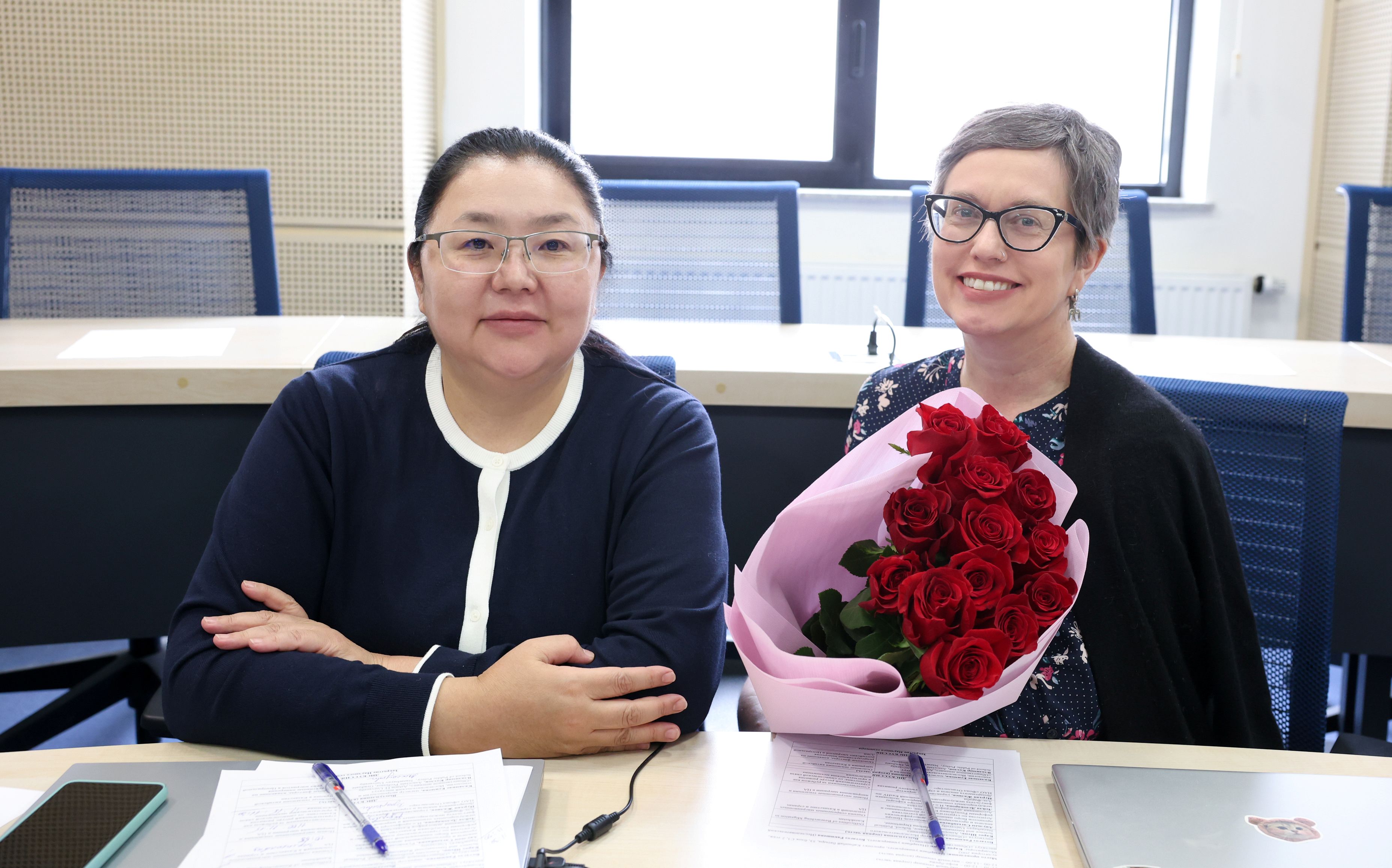
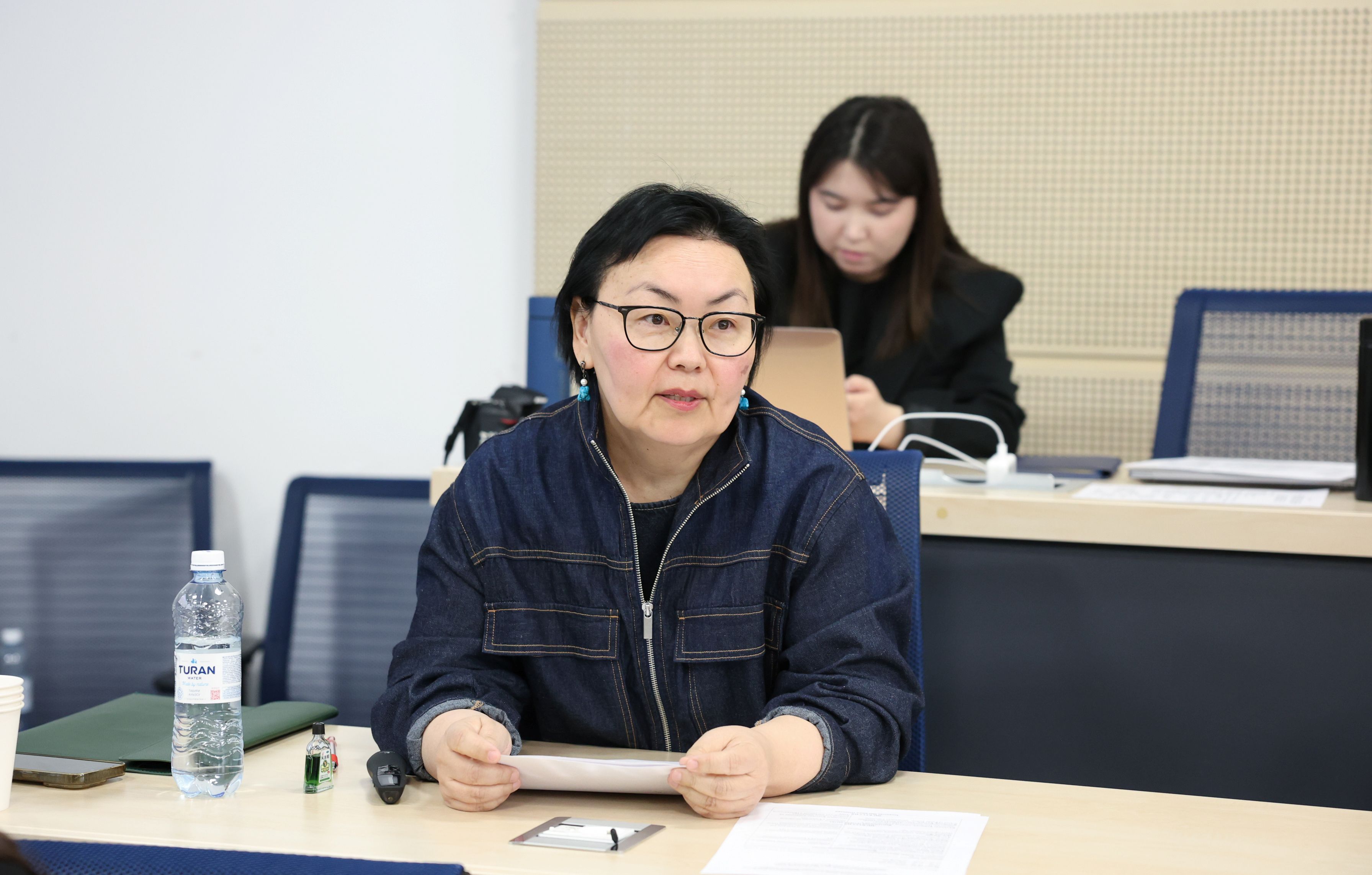

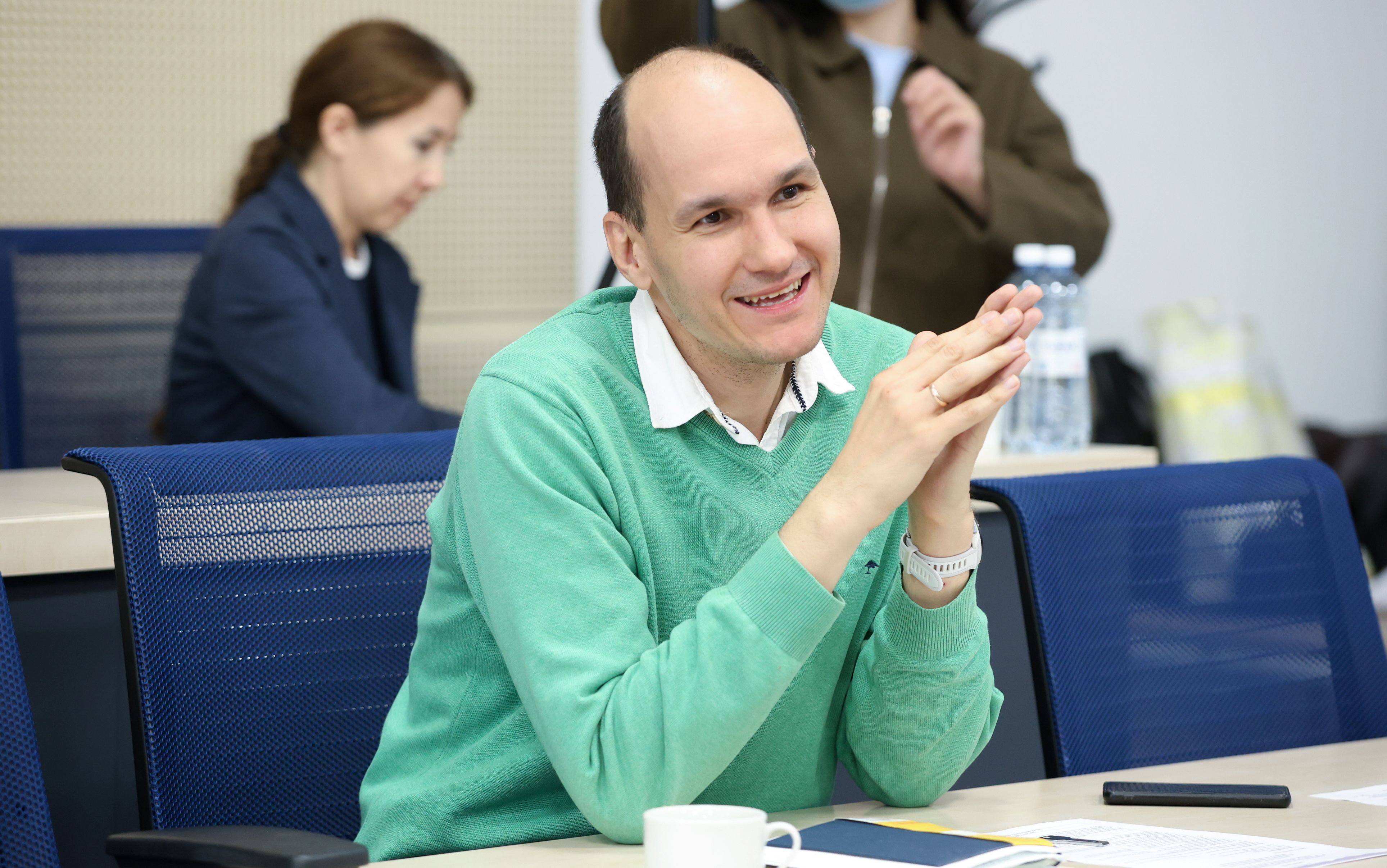
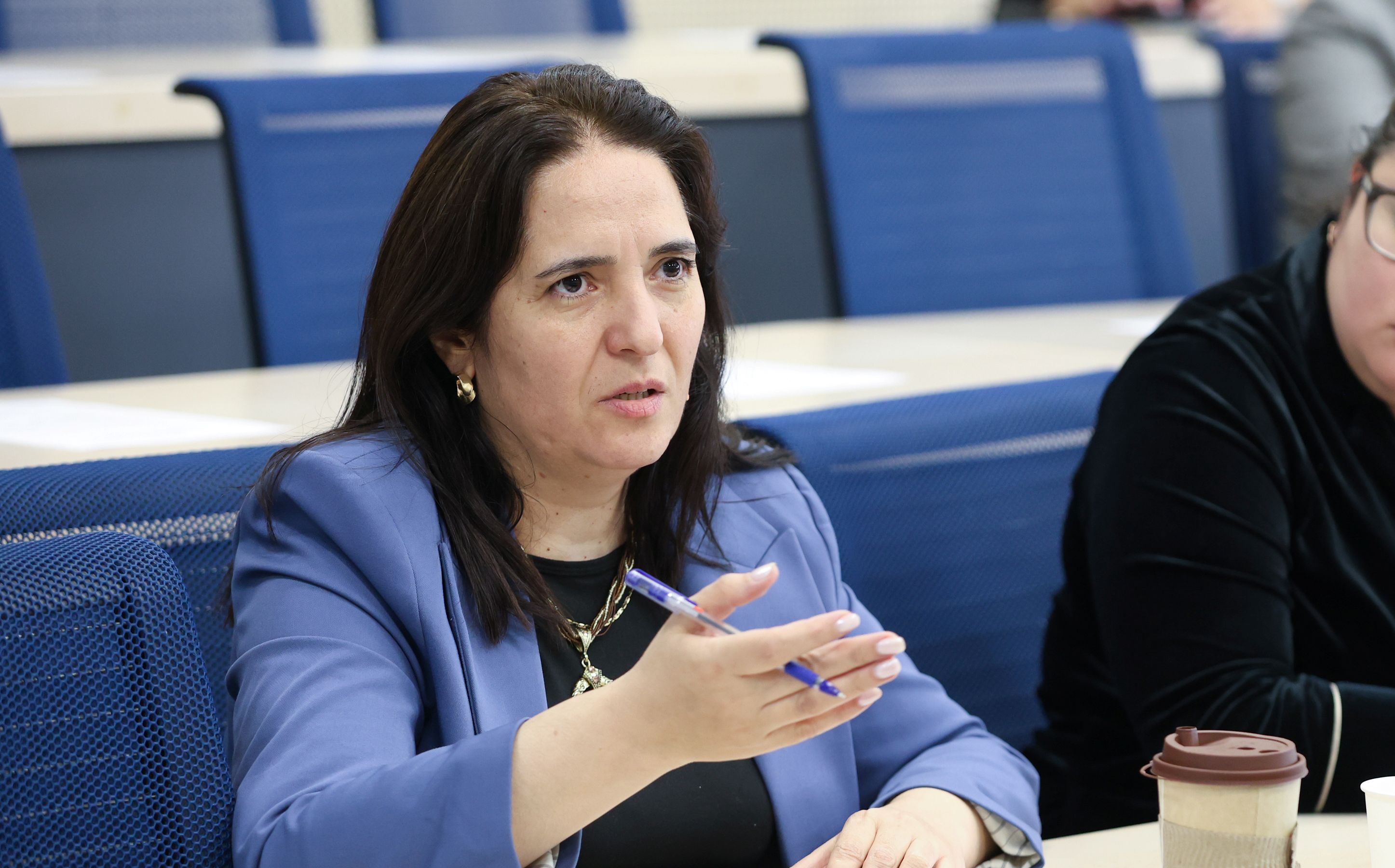

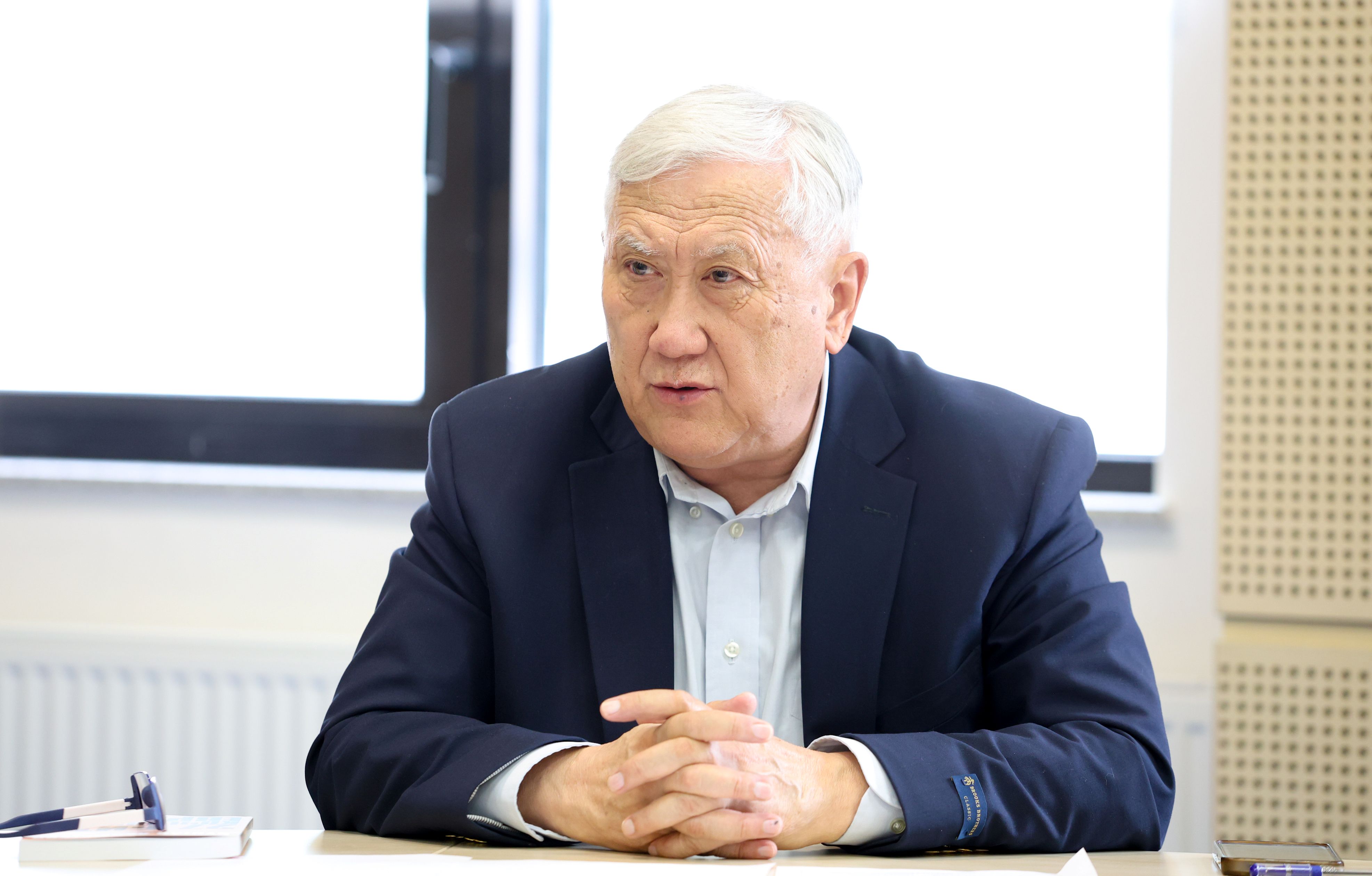

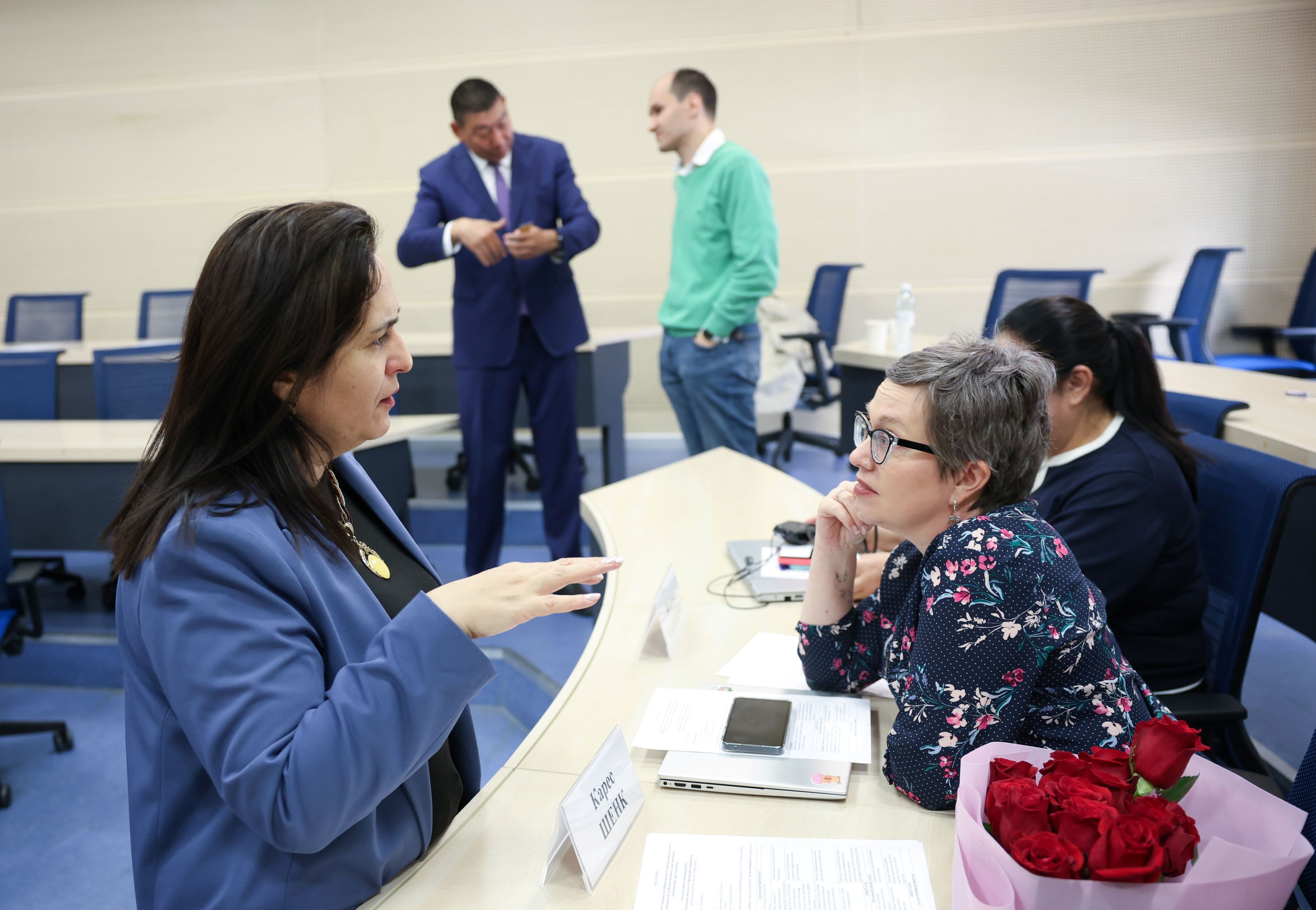
Scientific seminars on migration
Scientific seminars on migration in partnership with the School of Sciences and Humanities of Nazarbayev University
On December 4, 2020
On December 4, 2020, the Third Annual Scientific Workshop: “Illegal Migration from Kazakhstan to South Korea” was held at the site of the Kazakhstan Council on International Relations (KCIR).. The organizers of this seminar: the Kazakhstan Council on International Relations (KCIR), the Public Opinion Research Institute, the School of Sciences and Humanities of Nazarbayev University.
Seminar was moderated by: Nailya Almukhamedova, Master of Economics, KCIR.
A welcoming speech was made by Caress Schenk, professor at the School of Sciences and Humanities at Nazarbayev University (Nur-Sultan, Kazakhstan). Botagoz Rakisheva, candidate of sociological sciences, made a presentation of the Report “Illegal migration of Kazakhstanis to South Korea”, prepared under the auspices of the Kazakhstan Council on International Relations (KCIR). The report includes the results of a study of the process of illegal migration from Kazakhstan to South Korea. The author, based on extensive official statistics, the results of sociological research, interviews with illegal labor migrants, marriage migrants and observations, reveals the peculiarities of the formation of labor youth migration, adaptation and integration of migrants in South Korean society. Comments were made by: Herman Kim, Professor, Doctor of Historical Sciences, Director of the Institute for Asian Studies, al-Farabi KazNU (Almaty, Kazakhstan) online, Kim Sangcheol, professor at the Institute of Central Asian Studies, Hankuk University (Seoul, South Korea) online, Caress Schenk, professor at the School of Sciences and Humanities of Nazarbayev University (Nur -Sultan, Kazakhstan), Svetlana Kozhirova, Professor, Doctor of Political Sciences, Head of the Center for Asian and Chinese Studies of the International Scientific Complex “Astana” (Nur-Sultan, Kazakhstan) online, Aigul Sadvokassova, Deputy Director of the Institute of Ethnopolitical Research, Doctor of Sociological Sciences ( Nur-Sultan, Kazakhstan), Nurkhan Zhaliyev, Director of the Information and Analytical Department of the Otandastar Foundation.


On November 22, 2019
On November 22, 2019, Nazarbayev University hosted the Second Annual Scientific Seminar organized by the School of Sciences and Humanities of Nazarbayev University, Nazarbayev University Library and Public Opinion Research Institute. The main speaker in the panel discussion was Migration Specialist António Mendonça with the topic “Migrants from Central Asia in Western Europe: Number, Mobility, Profiles, Identity”. Other speakers were: Botagoz Rakisheva (Public Opinion Research Institute), Caress Schenk (Nazarbayev University) and Darina Sadvokassova (Nazarbayev University). In the second part of the event, an employee of the City University of Dublin, Abel Polese, a scientist, development specialist, amateur musician, author of fifteen books and more than 100 peer-reviewed chapters and articles, spoke. Abel Polese presented his new book “The SCOPUS Diaries and the (il)logics of Academic Survival”.


On January 22, 2016
On January 22, 2016 The School of Sciences and Humanities of Nazarbayev University and the Public Opinion Research Institute held a scientific seminar “Labor migration: problems, solutions, prospects”. As part of the scientific seminar, the results of a sociological survey of labor migrants, conducted by the Public Opinion Research Institute at the request of Nazarbayev University, were presented. Speaker: professor Caress Schenk
Moderators: Caress Schenk (Nazarbayev University), Botagoz Rakisheva (Public Opinion Research Institute).
Speakers:
Deyan Keserovich, Head of Mission of the International Organization for Migration (IOM) in Kazakhstan. Topic: “Trends in migration processes”
Irina Chernykh, Chief Researcher of the KazISS under the President of the Republic of Kazakhstan. Topic: “Labor migration in Central Asia: features, risks, prospects”
Batzhan Akmoldina, Head of the Department of Social and Demographic Research, Institute for Economic Research. Topic: “Results of the survey of internal migrants on social adaptation (for the cities of Astana and Almaty)”.
Serik Mauletov, CEO of TAXBACK CENTRAL ASIA LLC. Topic: “Taxes in the system of labor migration”.
Caress Schenk, School of Sciences and Humanities, Nazarbayev University. Topic: “Presentation of the results of a sociological survey of labor migrants”.
Svetlana Kozhirova, Professor of the L.N. Gumilyov Eurasian National University. Topic: “Features of modern Chinese migration in Kazakhstan”.
Ainur Mazhitova, Deputy Director of the Public Opinion Research Institute. Topic: “Turkish migration in Kazakhstan”.
Kairatbek Jamangulov, expert of the Institute for Public Policy of the Nur Otan Party. Topic: “Social profile of migrant workers from Kyrgyzstan and Tajikistan”.
Damira Akhatova, Researcher at the Center for the Study of Interethnic and Interfaith Relations in Central Asia of the Academy of Public Administration under the President of the Republic of Kazakhstan. Topic: “Social and cultural adaptation of labor migrants in Kazakhstan”.
Shavkat Ismailov, chairman of the Kyrgyz ethnocultural association, member of the Assembly of the People of Kazakhstan, head of the project “Promotion of the rights and interests of migrants and their families through increasing their potential and interaction with local governments and government agencies”. Topic: “About the work of the “Center for Support and Training of Labor Migrants in Astana”.


