
Roundtable entitled “Regulating Migration Flows and Protecting the Labour Rights of International Truck Drivers from Central Asia in EU Member States”
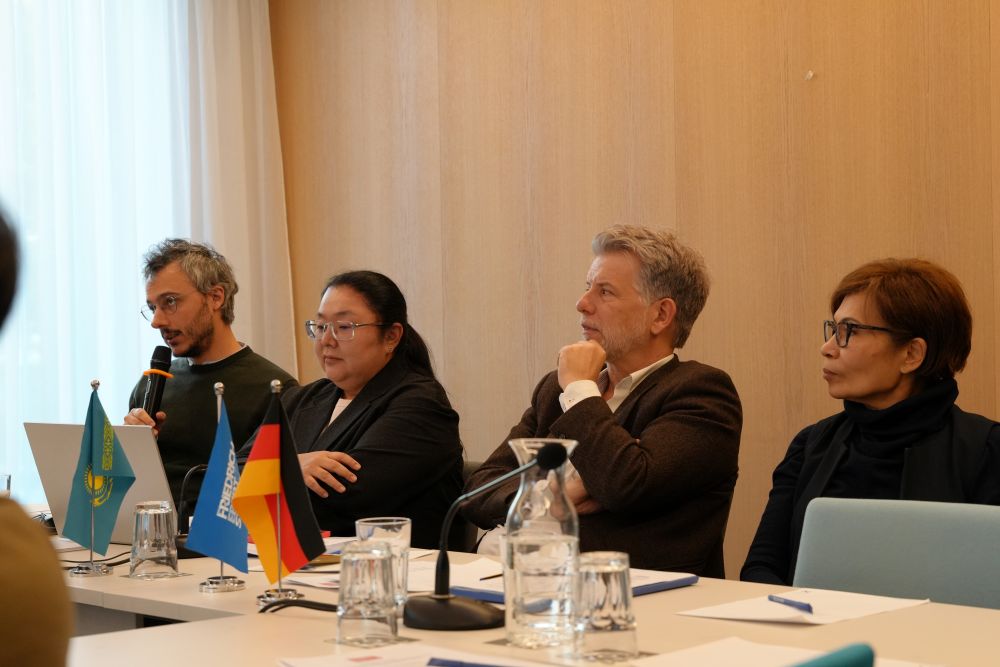
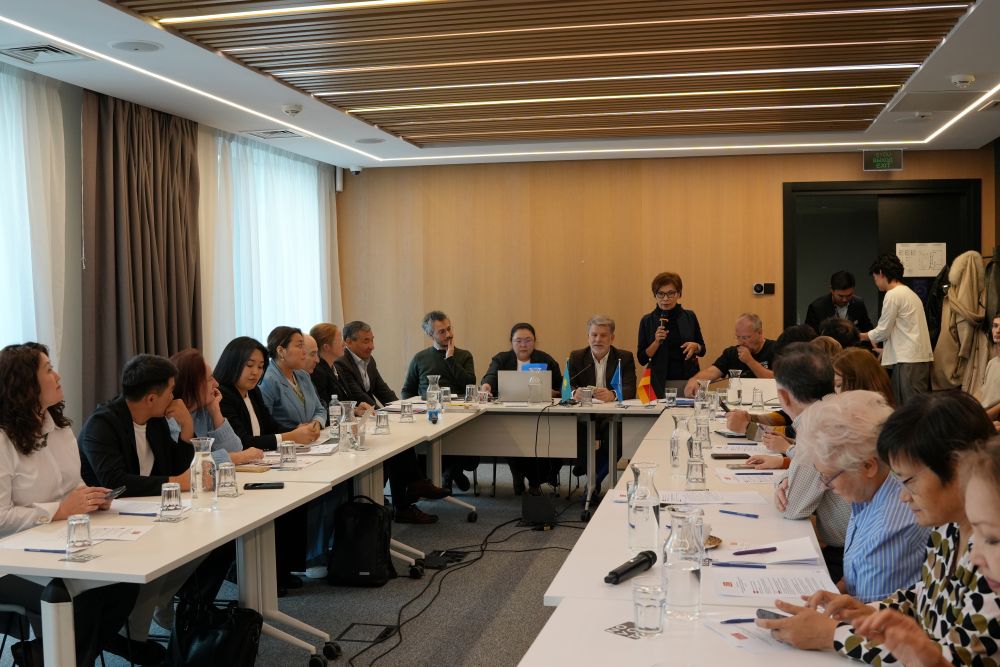
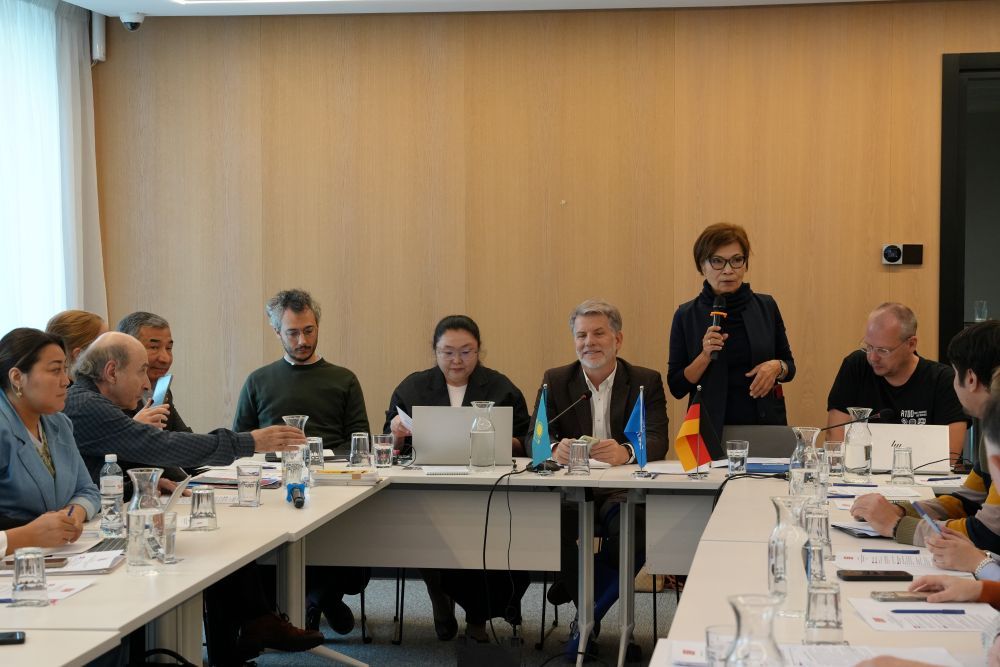
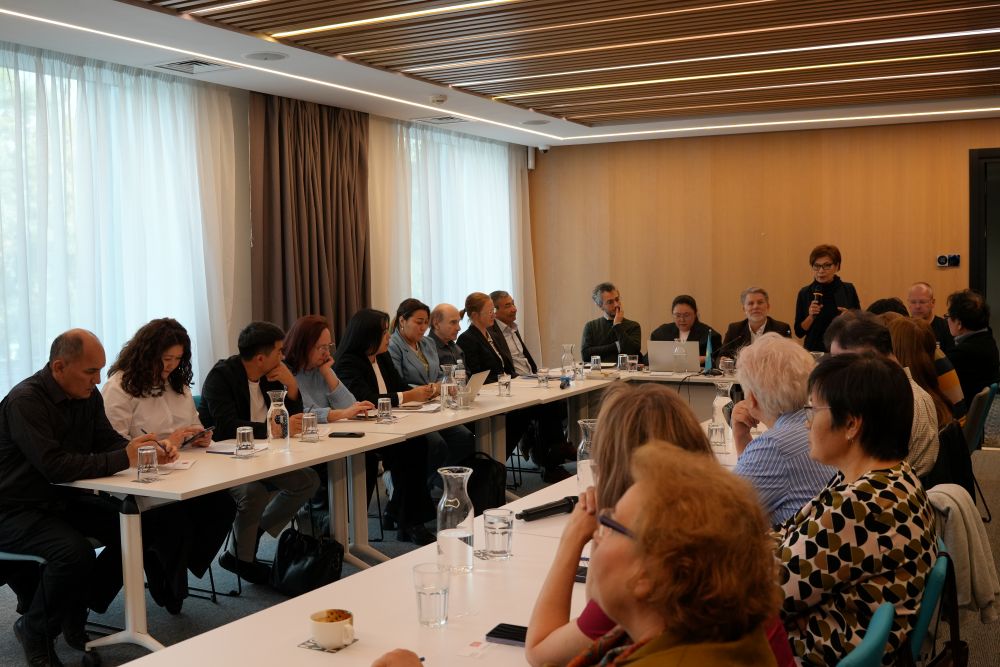
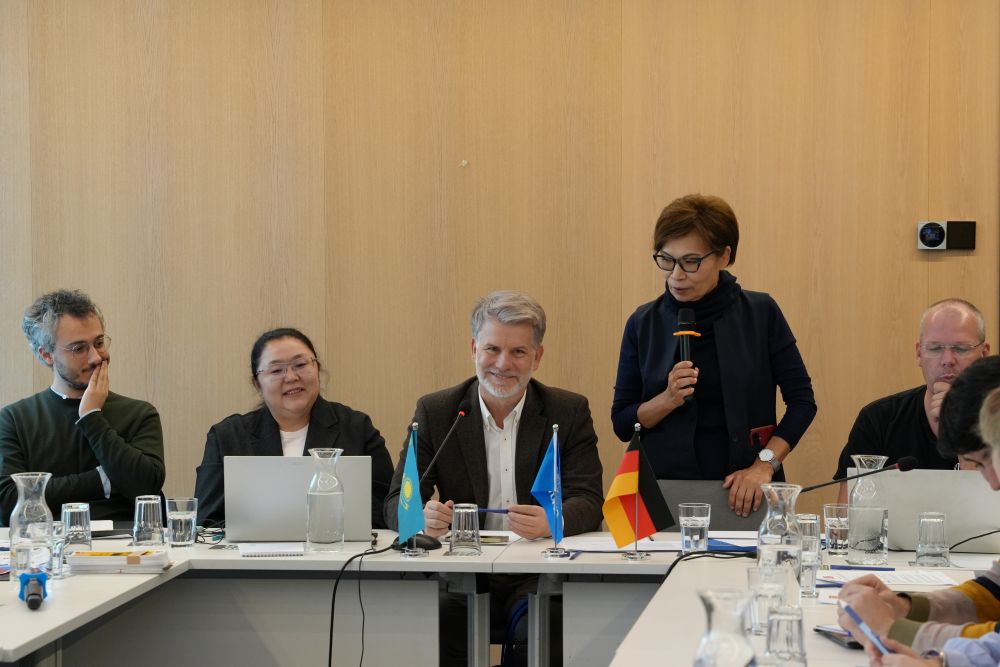
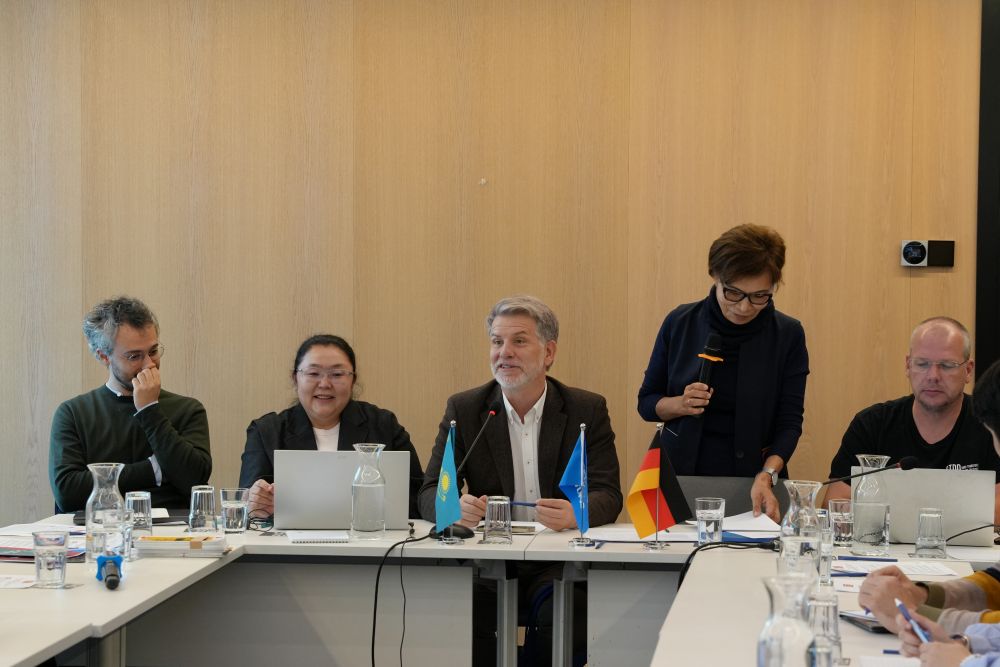
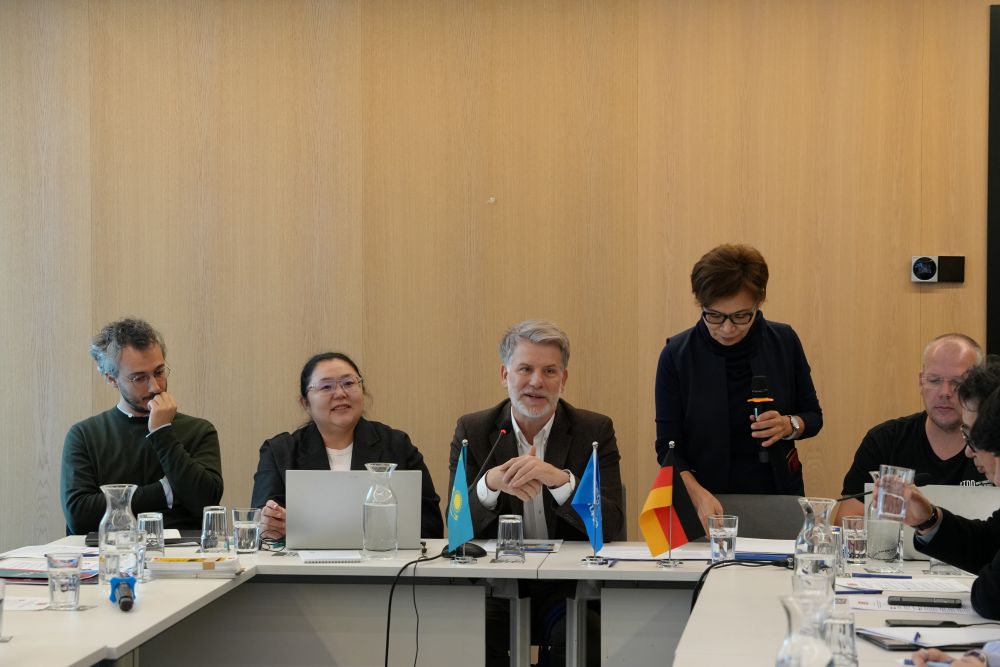
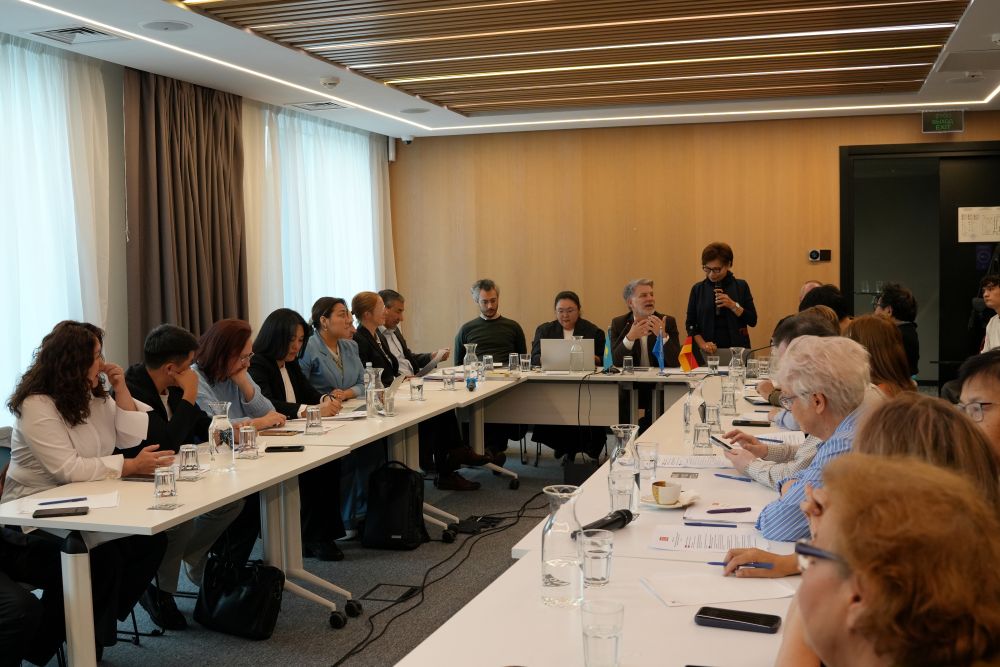
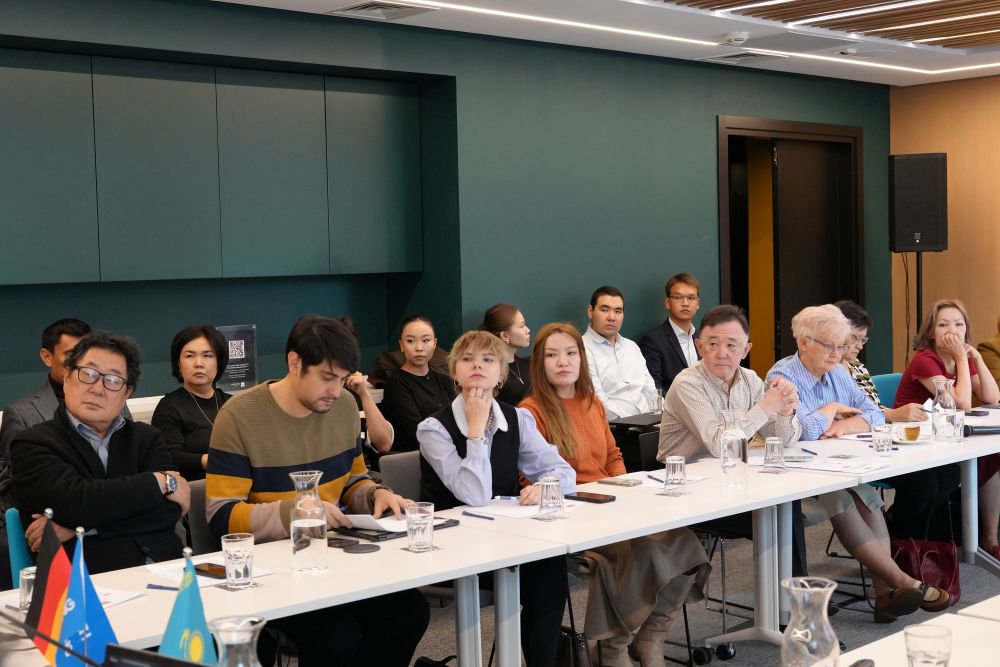
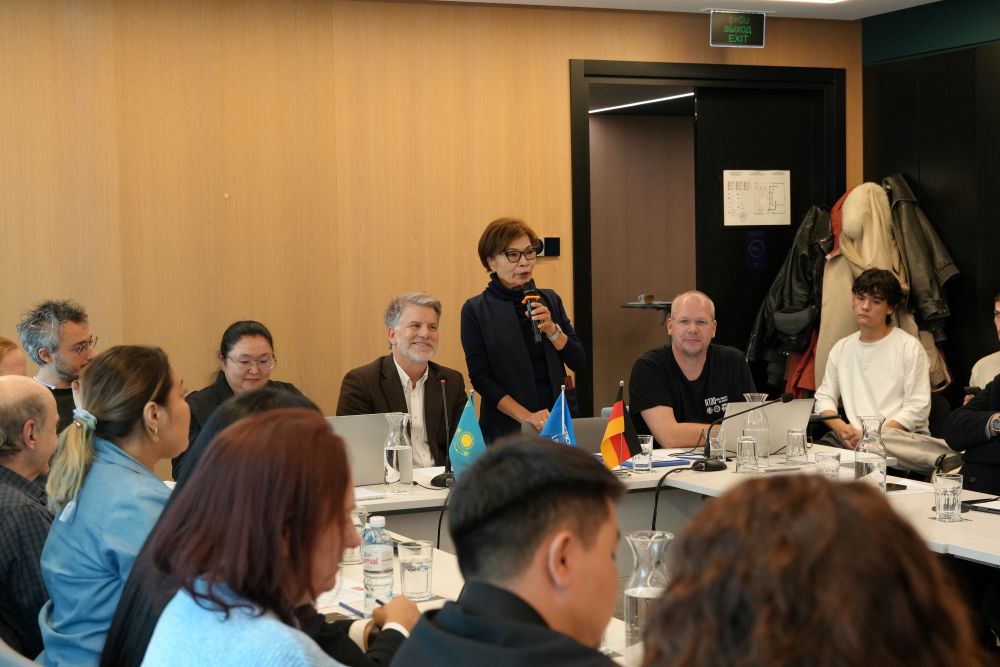
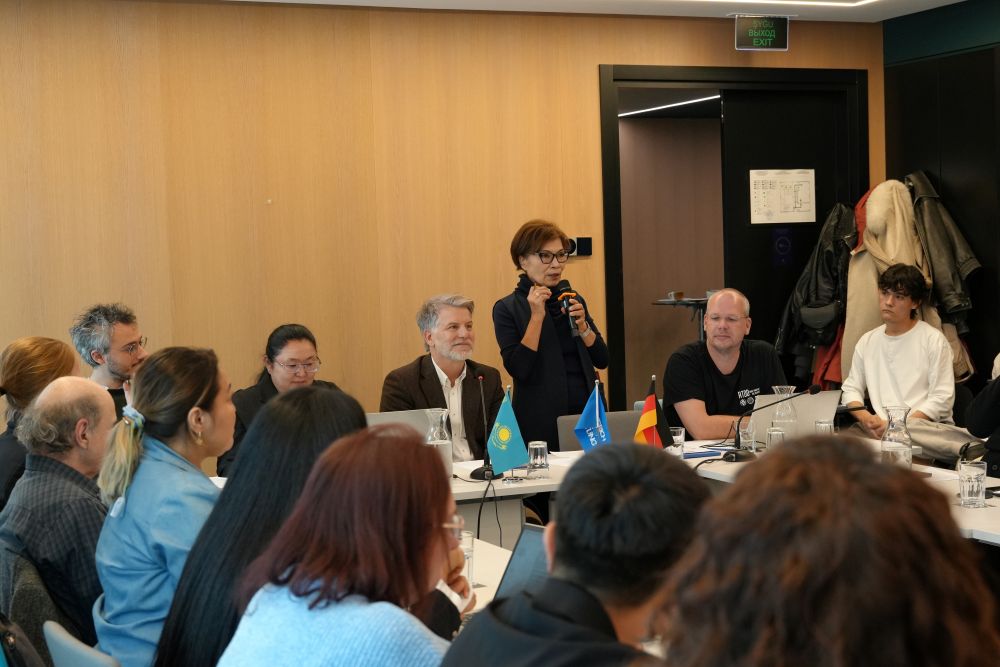
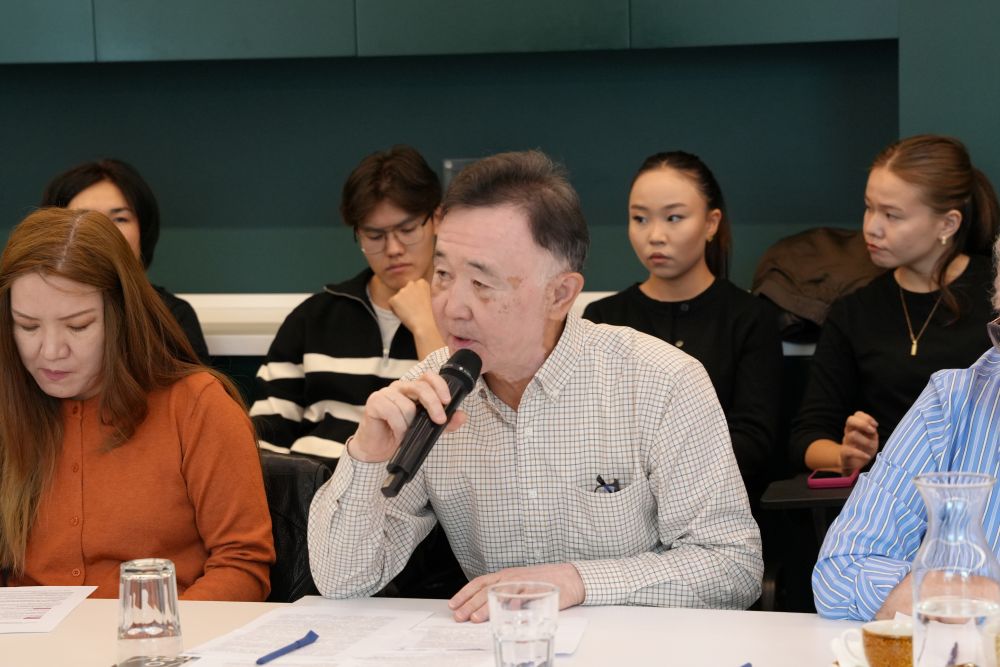
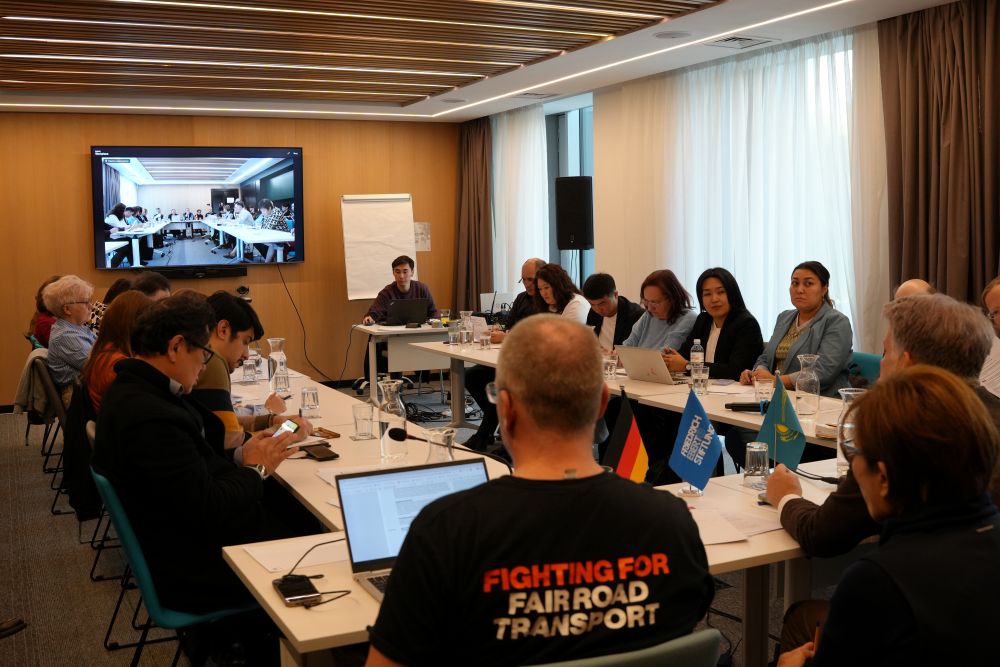
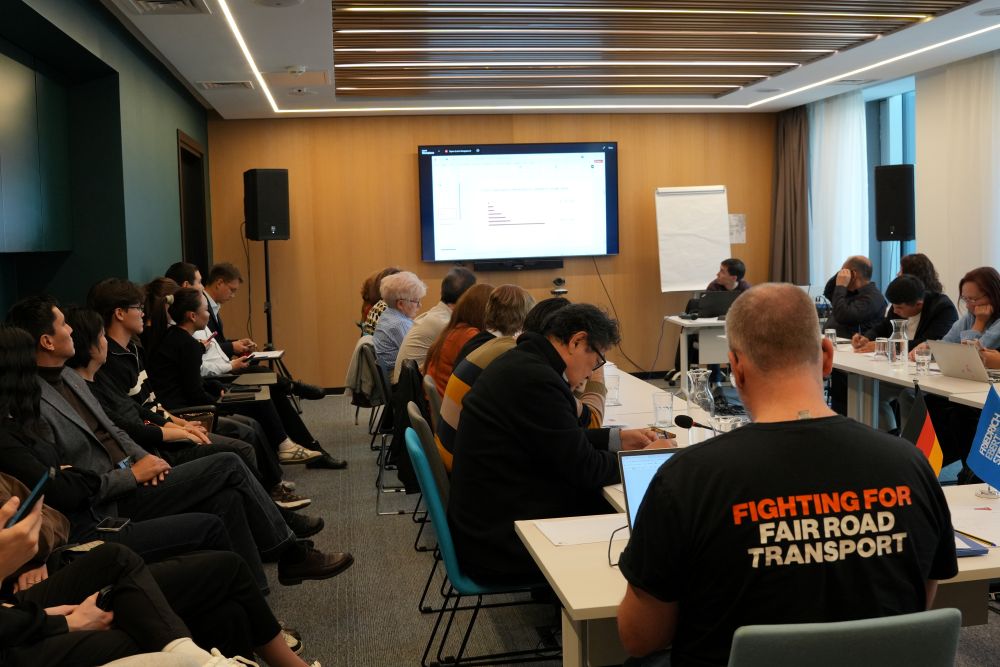
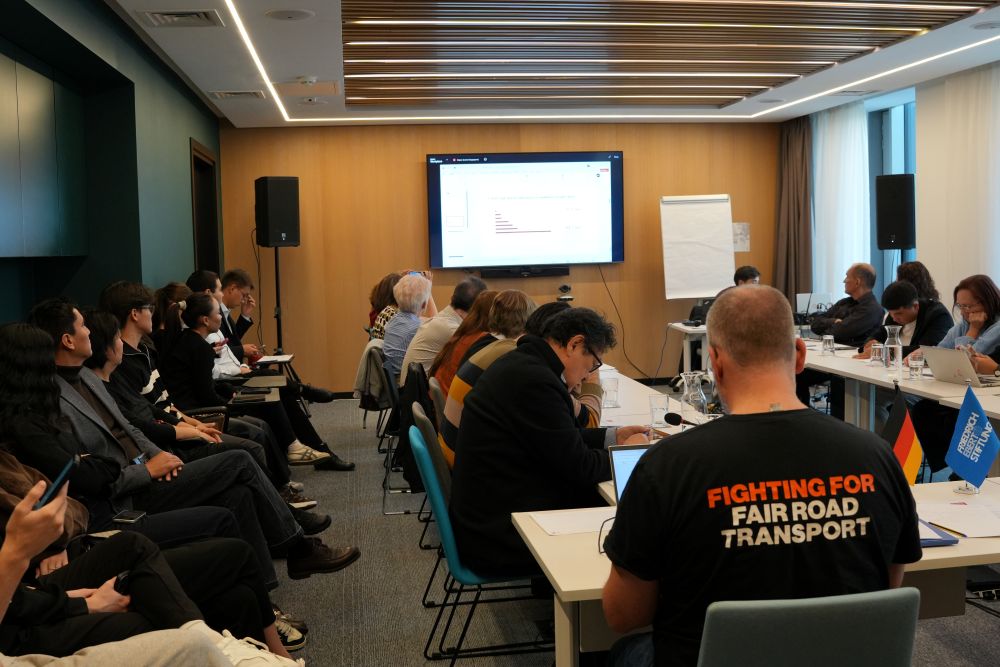
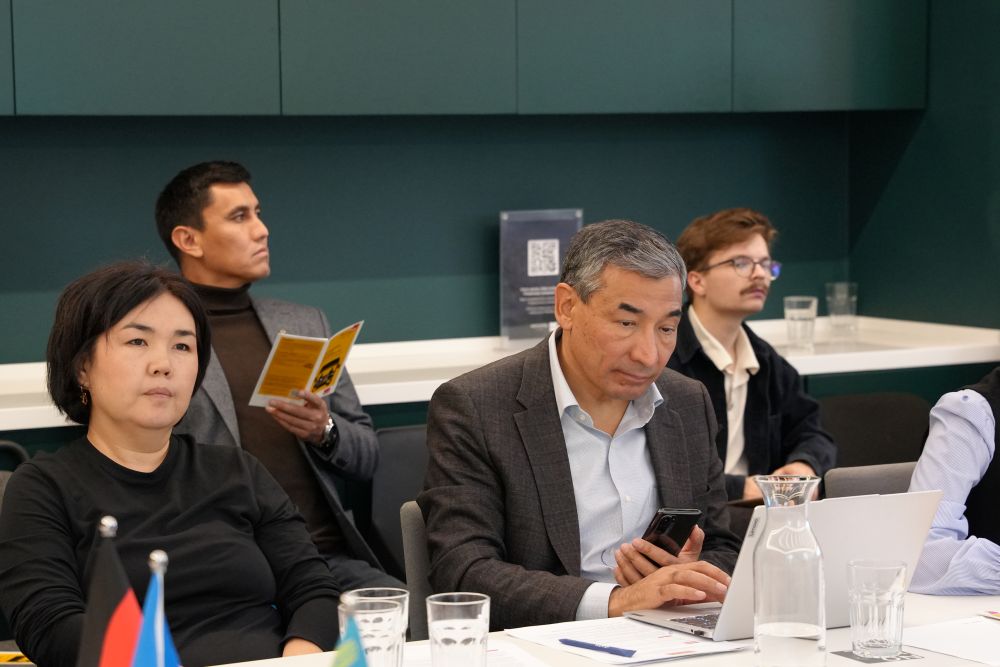
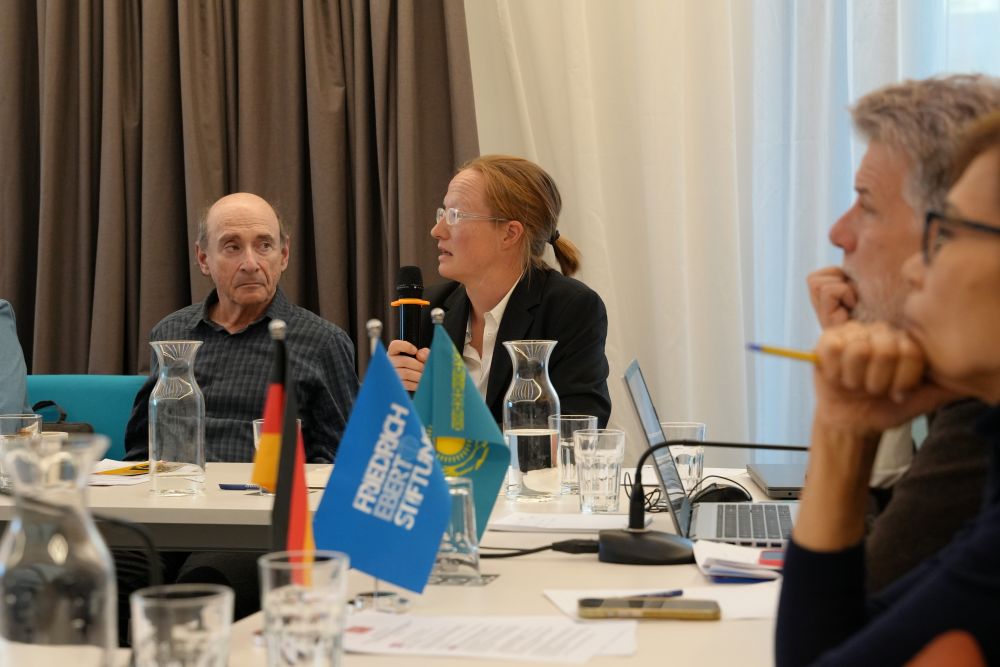
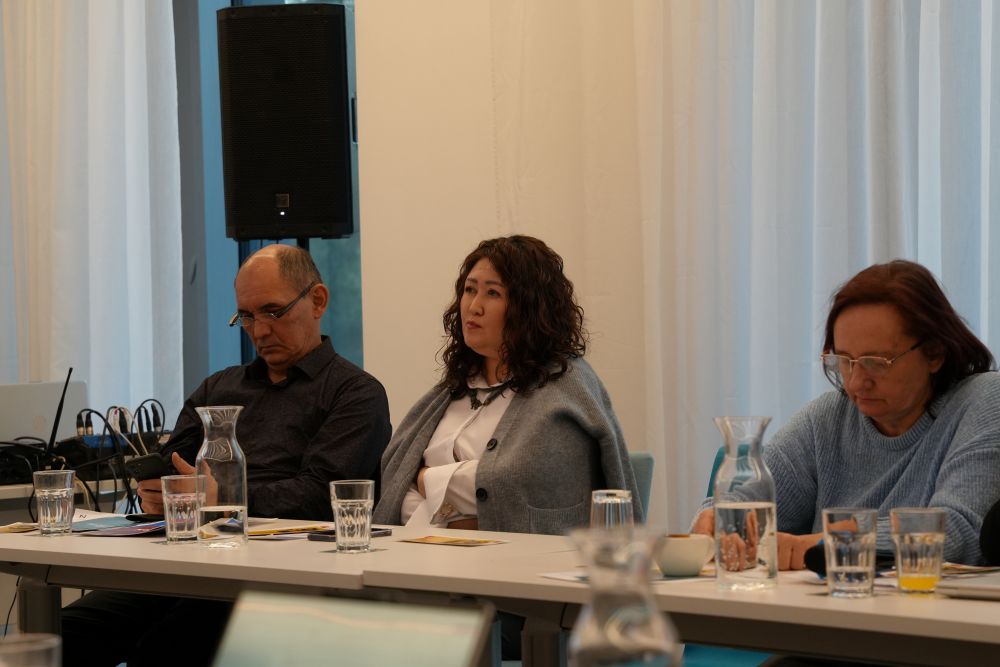
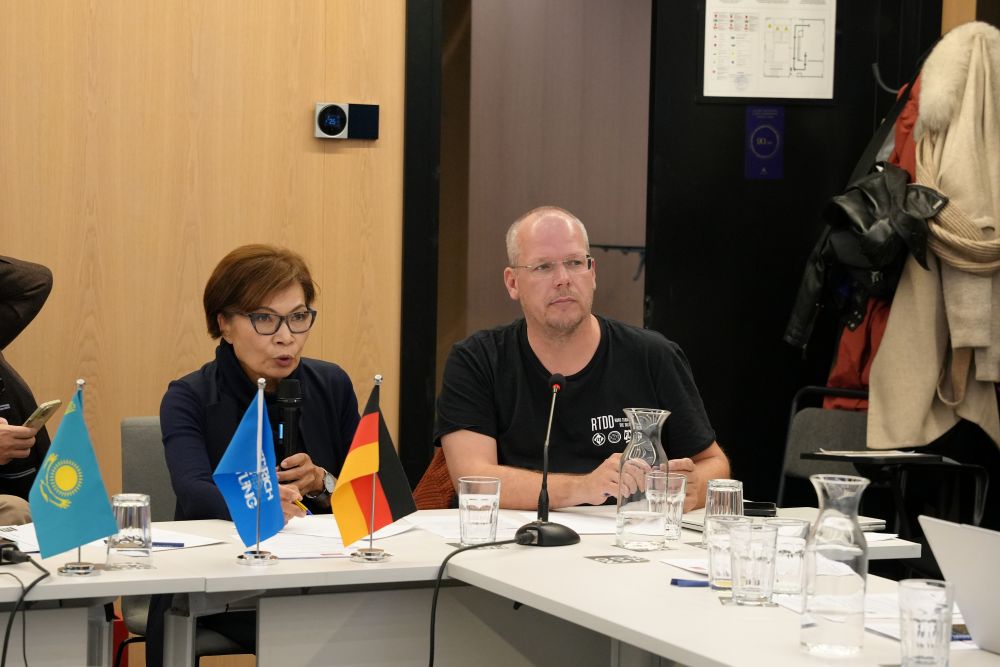
On 8 October 2026, a roundtable entitled “Regulating Migration Flows and Protecting the Labour Rights of International Truck Drivers from Central Asia in EU Member States” was held in Almaty, Kazakhstan.
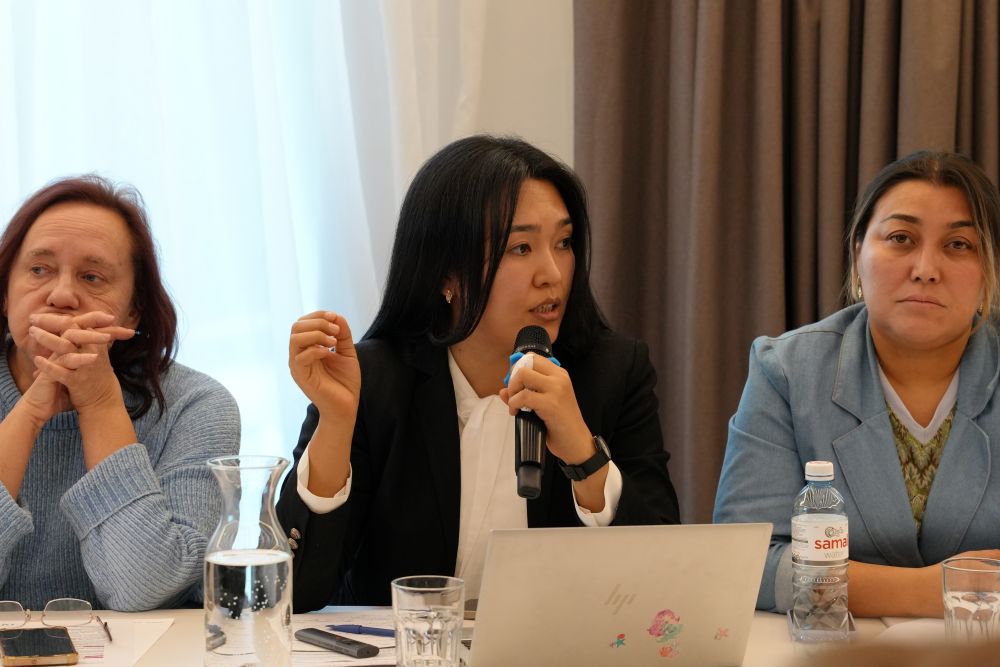
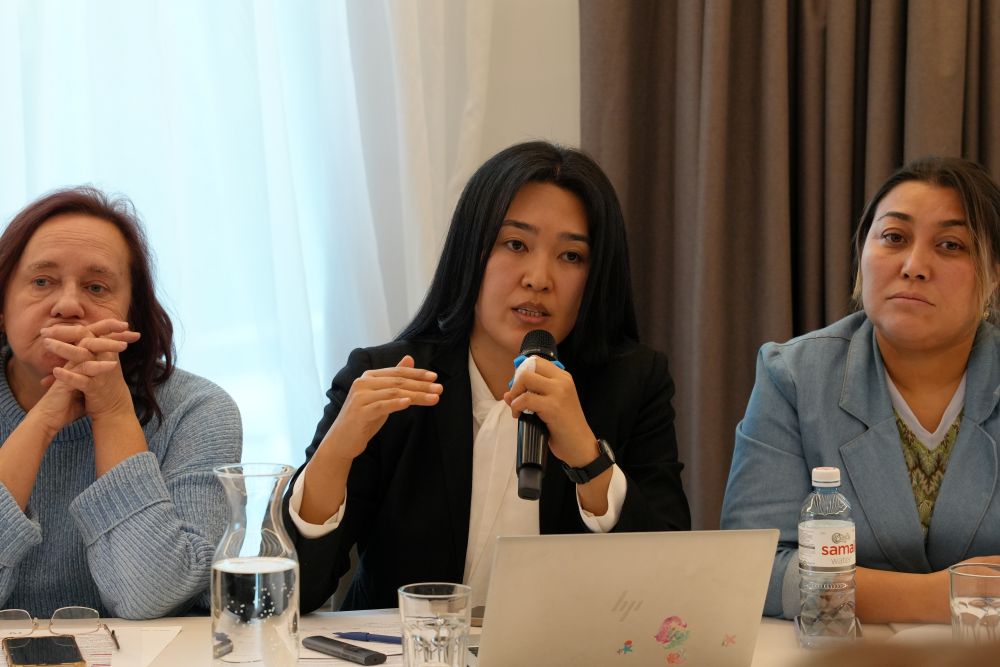
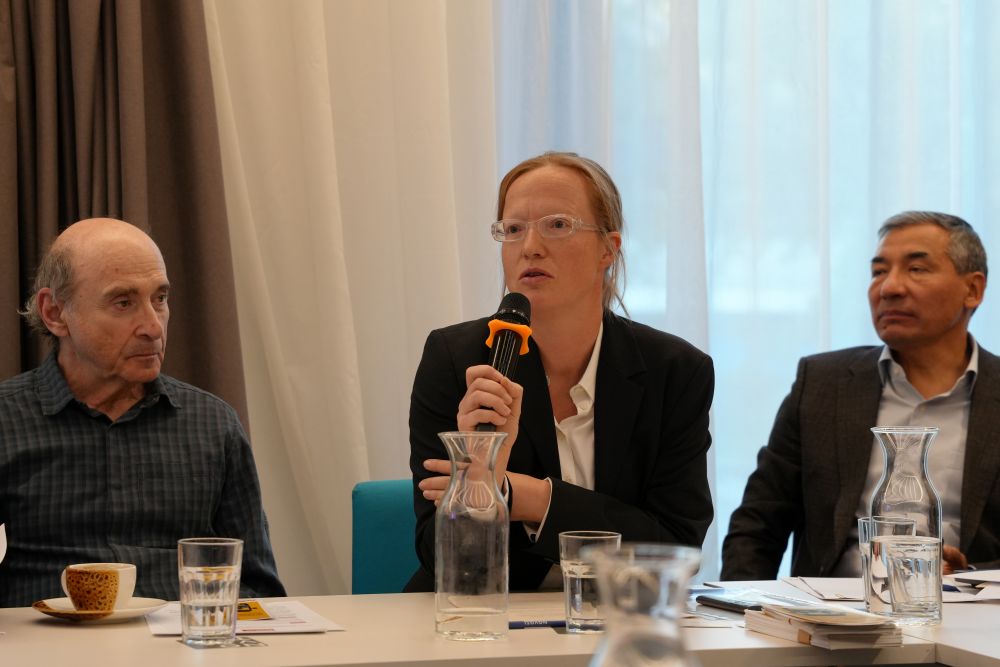
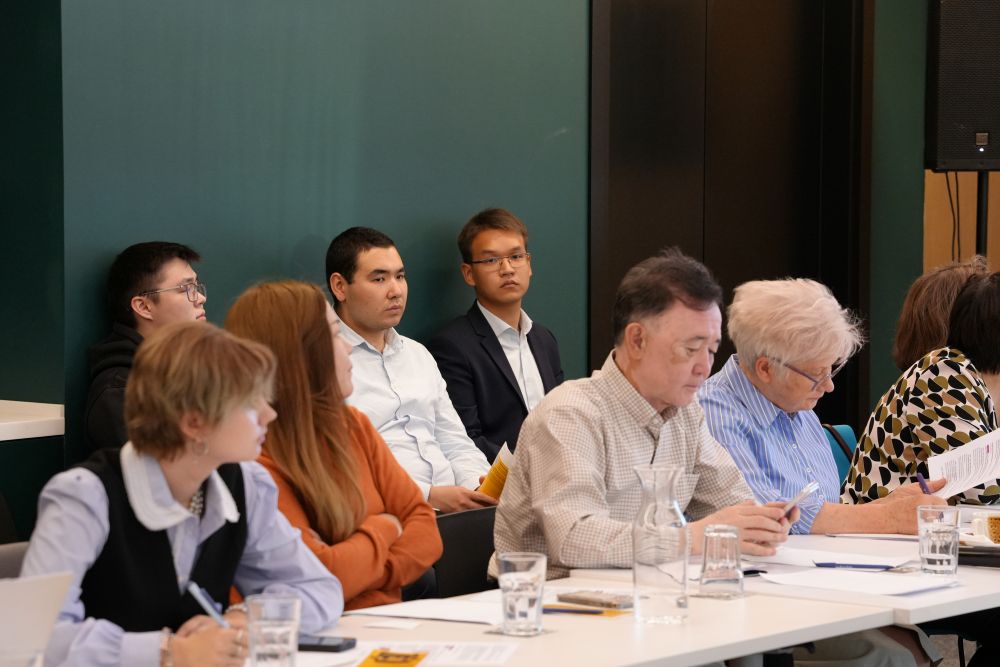
The event brought together researchers, representatives of government agencies and civil society organisations, international experts, and trade union representatives to discuss current trends in labour migration from Central Asia to the European Union (EU).
The roundtable was organised by the Friedrich-Ebert-Stiftung (FES) Regional Office for Central Asia.
The participants were welcomed by Philipp Jahn, Regional Director of the Friedrich-Ebert-Stiftung in Central Asia; Zauresh Shutova, representative of the Friedrich-Ebert-Stiftung in Astana; and Nurkhan Zhaliev, Managing Director of the Department of Analysis and Strategic Development at the Otandastar Foundation, a non-profit joint-stock company under the Ministry of Foreign Affairs of the Republic of Kazakhstan.
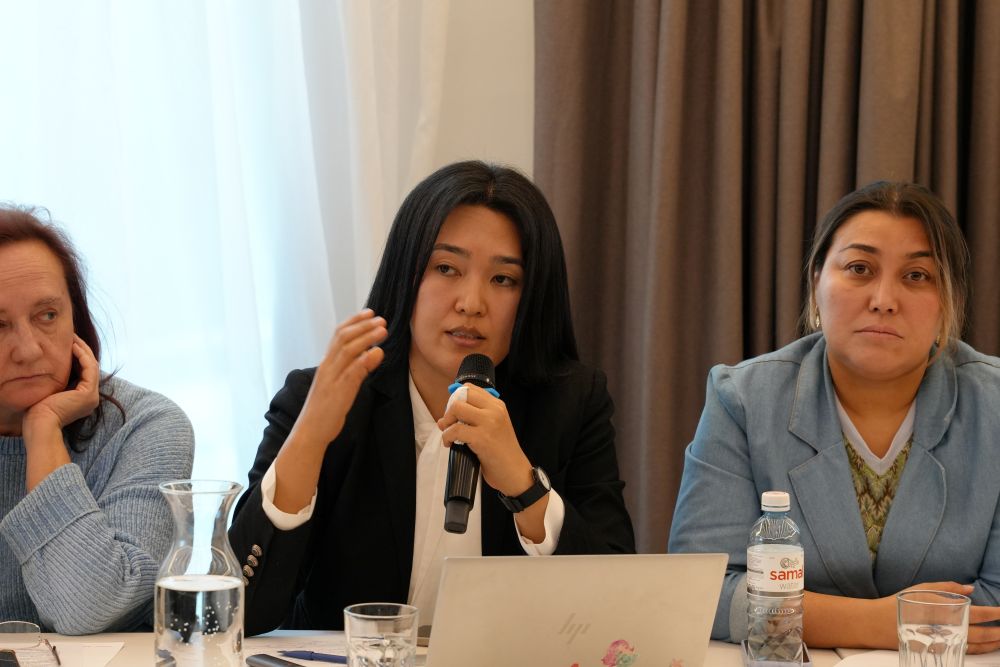
The event was moderated by Dr Botagoz Rakisheva of the Public Opinion Research Institute (Astana, Kazakhstan).
In her presentation, “Migration from Central Asia to Europe: Statistics, Legal Statuses and Strategies,” Dr Botagoz Rakisheva outlined the main migration destinations, the scale of migration, and trends in migration from Central Asian countries to the EU.
Dr Sanat Kushkumbayev, Chief Research Fellow at the Kazakhstan Institute for Strategic Studies under the President of the Republic of Kazakhstan (KazISS), examined the challenges to realising Central Asia’s demographic dividend. Key factors affecting labour mobility and regional development included climate change, accelerated urbanisation, geopolitical shifts, and global competition for human capital.
Dr Larisa Kangaspuro of the Aleksanteri Institute, University of Helsinki, presented on migration from Central Asia to the Baltic and Nordic countries, focusing on emerging migration routes, labour mobility, and legal frameworks.
Dr Giulio Benedetti (Maastricht University / Stockholm School of Economics in Riga (SSE Riga)) analysed the mechanisms through which European logistics companies recruit drivers from Central Asia. Particular attention was paid to recruitment chains, the role of recruitment agencies and informal intermediaries, and emerging trends in labour activism among drivers.
Nurgul Kadyrkulova, Deputy Head of the Secretariat of the Council on Migration and Combating Human Trafficking under the Speaker of the Parliament of the Kyrgyz Republic, presented the findings of a study on migrant workers from Kyrgyzstan in Germany. Her presentation addressed the scale of migration, systemic barriers, opportunities for dual education and fair recruitment, and the experiences and reputation of Kyrgyz citizens in the host country.
Dr Anna Weyrauch of Faire Mobilität, a German labour rights advisory network, discussed advisory services for third-country nationals and common labour rights violations in the European transport sector. Key issues included non-payment of wages and violations of regulations governing drivers’ working hours and rest periods. Particular attention was also given to legal assistance and advisory services provided in Russian.
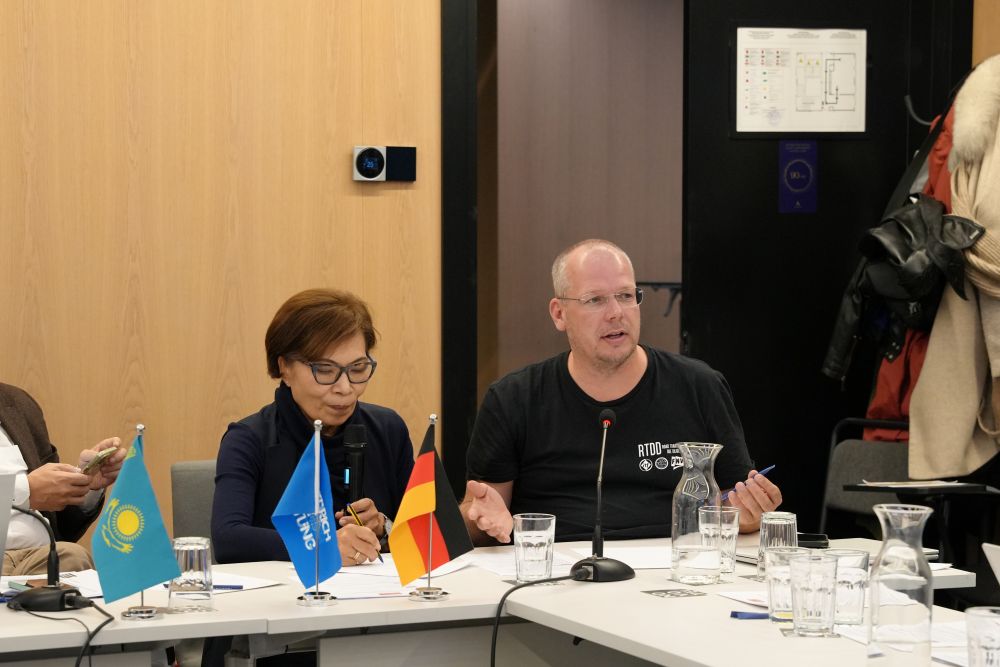
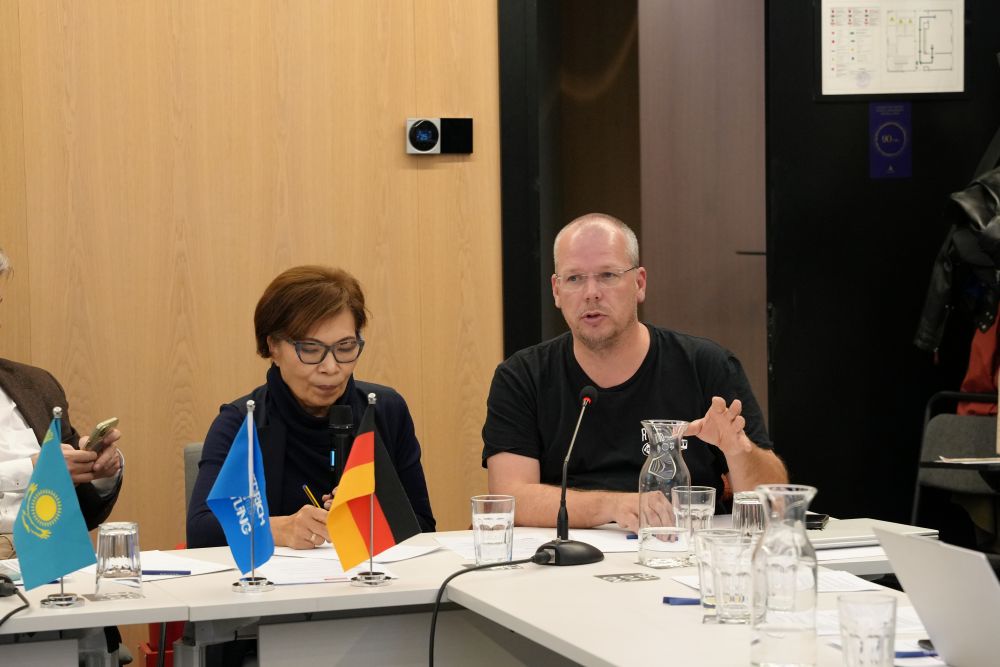
Edwin Atema, representing the RTDD Foundation and the Dutch trade union FNV, examined mechanisms for holding clients accountable and opportunities for direct engagement with long-haul truck drivers. The discussion focused on monitoring working conditions across logistics supply chains, findings from in-depth interviews with drivers from Central Asia, and mechanisms for holding major European clients accountable for the working conditions of employees of subcontracting companies.
The roundtable brought together a wide range of experts, including Herman Kim, Doctor of Historical Sciences, Professor, and Director of the Institute of Asian Studies at Al-Farabi Kazakh National University; Hans Holzhacker, economist and consultant on Central Asia; Assel Nazarbetova, Head of the Almaty Representative Office of the Kazakhstan Institute for Strategic Studies under the President of the Republic of Kazakhstan (KazISS); Bulat Auelbayev, expert at KazISS; Elena Sadvoskaya, international consultant on migration and migration policy; Leila Delovarova, Acting Professor at the Department of International Relations and World Economy at Al-Farabi Kazakh National University; Alexey Belyanin, Professor at Almaty Management University (AlmaU); Olga Isupova, Professor at Narxoz University; Eldaniz Guseynov, political scientist at Nightingale International; Ruslan Izimov, Leading Research Fellow at the Institute of Philosophy, Political Science and Religious Studies; Gulmaidan Urazbaeva, Associate Professor and Candidate of Historical Sciences at Kyrgyz National University; Leila Muzaparova, representative of the Rosa Luxemburg Foundation; Irina Chernykh, Doctor of Historical Sciences, Professor, and representative of the Rosa Luxemburg Foundation; Assel Kenzhetayeva, doctoral student at the Department of Political Science at L.N. Gumilyov Eurasian National University; Bota Zhunusova, researcher in the Department of Historical Demography at the Ch. Ch. Valikhanov Institute of History and Ethnology; and other experts.
Online participants included Professor Gulnara Nasimova, Head of the Department of Political Science and Political Technologies at Al-Farabi Kazakh National University; Dr Sangcheol Kim, Research Professor at the Institute of Central Asian Studies at Hankuk University of Foreign Studies (Seoul, Republic of Korea); Laura Mustafina, researcher; and other participants.
The roundtable was also attended by undergraduate, master’s, and doctoral students from Al-Farabi Kazakh National University, Narxoz University, and the Kazakhstan-German University.
The roundtable provided an important platform for professional dialogue and the exchange of international expertise on contemporary migration processes and the challenges faced by drivers from Central Asia seeking employment in EU Member States, particularly with regard to protecting their labour rights.

ANALYSIS OF THE MIGRATION PROCESS FROM CENTRAL ASIAN COUNTRIES (KAZAKHSTAN, KYRGYZSTAN, UZBEKISTAN) TO SOUTH KOREA: CONDITION, STRUCTURE, STRATEGY

А 53 Analysis of the migration process from Central Asian countries (Kazakhstan, Kyrgyzstan, Uzbekistan) to South Korea: condition, structure, strategy – Edited by Botagoz Rakisheva – Korea Foundation, Public Opinion Research Institute, 2022 – Аstana – 160 p.
This report was prepared based on the results of the international project “Analysis of the migration process from Central Asian countries (Kazakhstan, Kyrgyzstan, Uzbekistan) to South Korea: condition, structure, strategy” conducted by the Public Opinion Research Institute with the grant support of the Korea Foundation under the program Policy-oriented Research Support Program-2021.
The report includes the results of a research conducted in Kazakhstan, Kyrgyzstan, Uzbekistan and South Korea in 2022. The research examined the issues of ethnic, labor, undocumented, educational, marriage migration from Central Asian countries to South Korea through surveys with migrants and experts, as well as content analysis of social networks, media and desk research.
Taking into account the relevance of migration issues and its consequences for international relations, politics, economy and society as a whole, it is important to comprehensively study this area and permanently monitor its condition both in the countries from which the migration flow occurs and in the host country.
This report is recommended to specialists in the field of migration, international relations, diasporology, Korean studies.
Labour migrants in Kazakhstan

The study “Labour migrants in Kazakhstan” is part of the project “Asia Regional Migration Program” funded by the United States Department of State Bureau of Population, Refugees, and Migration (PRM USA) and implemented by the International Organization for Migration (IOM) Sub-regional Coordination Office for Central Asia in Kazakhstan.
This publication is the result of a highly collaborative effort involving a team of international and national experts from Kazakhstan. The overall direction and coordination of the study were carried out by the IOM Sub-regional Coordination Office for Central Asia in Kazakhstan, represented by Senior Project Assistant Aliya Kozhakhmetova and former National Programme Officer Yevgeniy Khon.
Authors: Hélène Syed Zwick and Zhaniya Sazanova
Field research in Kazakhstan was carried out by the Public Opinion Research Institute
https://kazakhstan.iom.int/resources/study-labour-migrants-three-cities-kazakhstan-almaty-astana-and-shymkent
The Role of Digital Remittances: Consolidated Findings from Supply and Demand Research

This report is part of the outputs under the regional initiative “Mitigating the effects of COVID-19 Pandemic on migrants and their families from Central Asia” produced with the financial support of the Swiss Agency for Development and Cooperation and implemented by IOM.
This research project aims to examine the digital remittance systems and usage in the Russian Federation and Central Asian countries, the legal, infrastructure, and the perception and behavioural barriers that may be limiting the uptake of digital financial services among migrants and remittance recipients. The research focuses particularly on the behavioural aspects of the process that may limit the engagement of migrants and remittance recipients in digital remittances and adjacent financial services. The results of this research will contribute to the evidence base for designing programmes to enhance the use of digital remittances among migrants and their recipient families, and ultimately to improve the financial inclusion of this target group using digital services.
The report was developed by: Donhatai Harris (lead author), and Anna Prohorova working under supervision of Michael Newson (Senior Labour Mobility & Human Development Specialist, Regional Office for South-Eastern Europe, Eastern Europe and Central Asia, International Organization for Migration, Vienna – Austria).
Field work in Kazakhstan was conducted by Public Opinion Research Institute.
https://publications.iom.int/books/role-digital-remittances-consolidated-findings-supply-and-demand-research
https://publications.iom.int/books/role-digital-remittances-consolidated-findings-supply-and-demand-research-russian
ILLEGAL MIGRATION OF KAZAKHSTANIS TO SOUTH KOREA

R20. Botagoz Rakisheva. Illegal migration of Kazakhstanis to South Korea. – Kazakhstan Council on International Relations (KCIR) – Nur-Sultan, 2020.- p. 60
The book includes the results of a study of illegal migration from Kazakhstan to South Korea. Based on official statistics, the results of sociological research, interviews with illegal migrant workers, marriage migrants and observations, the author reveals the peculiarities of the formation of labor youth migration, adaptation and integration of migrants in South Korean society.
The presence of 10 thousand Kazakhstanis - undocumented migrant workers illegally working in South Korea, requires attention and government regulation.
Recommended for the experts in the field of migration, international relations, diasporology.